Unleashing AI Potential in Education: Custom Web Apps for Personalized Learning and Streamlined Administration
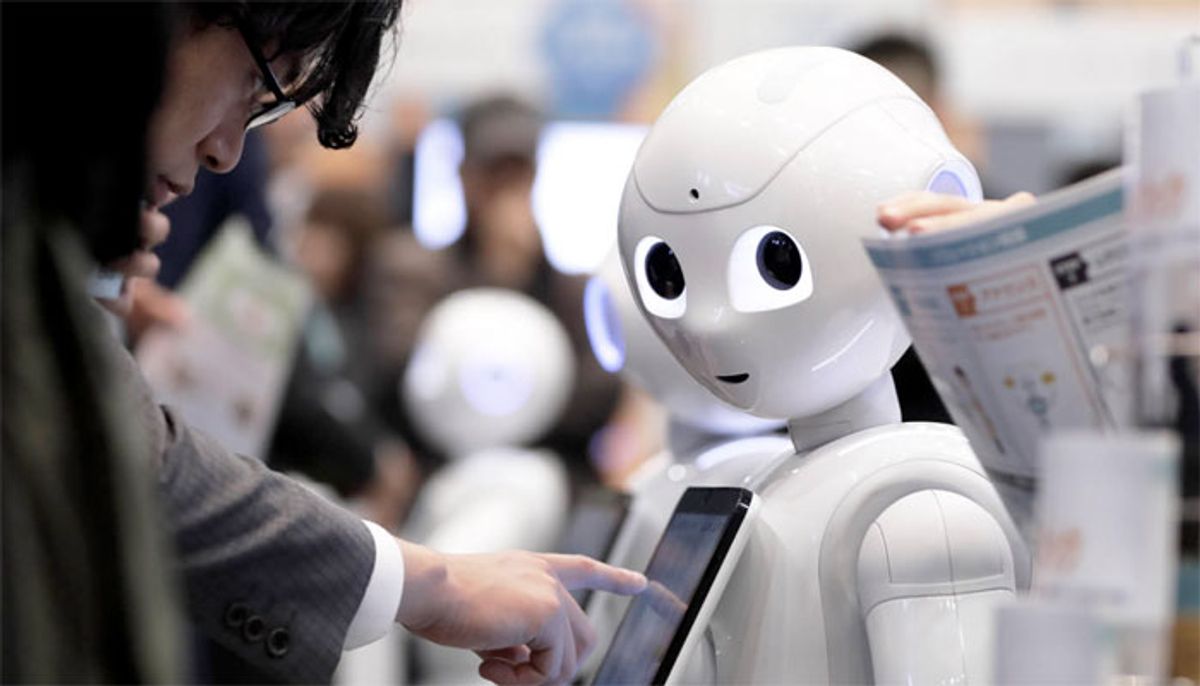
The integration of Artificial Intelligence (AI) in education is revolutionizing the way we teach and learn. Custom web applications powered by AI have the potential to transform educational experiences by providing personalized learning paths for students and streamlining administrative processes for educators. This article delves into how AI-driven custom web apps can enhance personalized learning, automate routine administrative tasks, and create interactive and engaging educational environments, ultimately paving the way for a more efficient and customized educational landscape.
Key Takeaways
- AI-driven custom web apps tailor educational content to individual student needs, fostering a more personalized and effective learning experience.
- Automated administrative tasks through AI help educational institutions increase efficiency and allow educators to focus more on teaching.
- The democratization of app development in education lowers barriers to entry, enabling educators to create custom apps that meet specific needs.
- AI enhances educational environments by providing multimodal learning experiences and facilitating improved student-teacher interactions.
- The future of AI in education is poised to bring about more equitable access to learning and drive innovation in educational tools and platforms.
Personalized Learning Through AI-Driven Custom Web Apps

Tailoring Educational Content to Individual Needs
In the realm of education, Personalized Learning AI Solutions are revolutionizing the way we approach individual learning experiences. By harnessing the power of generative AI, these solutions analyze student data and behavior to craft learning materials that are not only tailored to each student's unique needs but also evolve as the student grows. This dynamic approach ensures that every learner is met at their own level, fostering a deeper connection with the material and a more profound understanding.
- Adaptive content creation ensures that learning materials are always relevant and challenging.
- Real-time feedback allows for immediate adjustments to the learning path.
- Data-driven insights empower educators to provide bespoke feedback and support.
The true potential of AI in education lies in its ability to transform traditional learning environments into adaptive, responsive spaces that cater to the individual learner.
By integrating these advanced technologies, we not only enhance the quality and consistency of educational content but also pave the way for a more efficient and engaging learning process. As Bles Software aptly highlights, embracing growth and seamless expansion with AI strategies is key to scalable growth in any sector, including education. It's time to innovate and reimagine the future of education with AI at the helm.
Enhancing Student Engagement with Adaptive Learning Paths
In the realm of education, AI-Driven Learning Platforms are revolutionizing the way students interact with educational content. By leveraging AI Adaptive Learning Systems, these platforms dynamically adjust to the individual learning pace and style of each student, ensuring that every learner remains engaged and challenged at just the right level.
The true power of AI in education lies in its ability to transform passive learning into an active, personalized journey that keeps students captivated and eager to progress.
AI Adaptive Learning Systems analyze a multitude of data points, from student performance to engagement metrics, to create a learning path that is as unique as the fingerprint of each learner. This approach not only fosters a deeper connection with the material but also encourages a sense of ownership over the learning process.
- Adaptive Assessments: Tailor difficulty to student performance
- Customized Feedback: Provide real-time, personalized responses
- Engagement Tracking: Monitor and adapt to student interactions
By embracing these AI-driven educational tools, educators can unlock a new dimension of student engagement, one that is responsive, interactive, and deeply attuned to the needs of each individual. The call to action for educators and developers alike is clear: harness the potential of AI to create learning experiences that are not just educational, but truly transformative.
Empowering Educators with Data-Driven Insights
In the realm of education, AI-driven analytics transform data into actionable insights, equipping educators with the power to make informed decisions that can profoundly impact student outcomes. By harnessing the capabilities of AI, teachers can now access a wealth of data, from student performance metrics to engagement levels, all synthesized to highlight areas of improvement and success.
Imagine a dashboard that not only tracks academic progress but also predicts potential challenges, allowing for timely interventions. This is not a distant dream but a tangible reality in today's AI-enhanced classrooms. Here's a glimpse of what such a dashboard might include:
| Metric | Description | Impact |
|---|---|---|
| Engagement Level | Frequency of student interactions | Predicts academic success |
| Performance Trends | Progress over time in key subjects | Identifies learning gaps |
| Intervention Success | Effectiveness of targeted support | Guides future strategies |
By proactively addressing the unique needs of each student, educators can tailor their teaching methods, ensuring that no learner is left behind. This personalized approach fosters an inclusive and dynamic educational environment where every student has the opportunity to excel.
The integration of AI into educational tools is not just about data analysis; it's about creating a partnership between technology and educators. This synergy unlocks the potential for a more nuanced understanding of the learning process, enabling educators to refine their craft and students to achieve their full potential. Embrace the power of AI and witness the transformation in your educational practice.
Streamlining Educational Administration with AI

Automating Routine Tasks to Increase Efficiency
In the realm of education, efficiency is not just a buzzword; it's a necessity. Automation through AI is revolutionizing how educational institutions operate, streamlining processes that once consumed hours of manual effort. By automating routine tasks, schools can redirect their focus towards more strategic initiatives that enhance the learning experience.
The adoption of AI-driven tools in education is not merely a trend; it's a transformative shift towards smarter, more responsive administration.
Consider the impact of no-code platforms and robotic process automation (RPA) on tasks such as data entry, onboarding, and payroll processing. These technologies enable educators and administrators to design workflows that minimize time spent on repetitive tasks, while maximizing accuracy and compliance. The result? A significant reduction in operational costs and an increase in productivity.
Here's a glimpse at the tangible benefits of automation in education:
- Time savings: AI schedule assistants optimize administrative tasks, freeing up valuable time for educators.
- Cost reduction: Automated scheduling helps avoid errors that lead to compliance issues and unnecessary expenses.
- Resource optimization: With fewer resources dedicated to routine tasks, schools can invest more in student-centric initiatives.
Embracing AI for routine task automation is not just about keeping up with the times; it's about setting a new standard for educational excellence. Let's harness the power of AI to create an environment where administrative efficiency paves the way for educational innovation. Are you ready to take the next step?
Improving Decision-Making with Predictive Analytics
In the realm of education, AI for Education Analytics is not just a buzzword; it's a transformative force. By harnessing the power of predictive analytics, educational institutions can anticipate student needs, tailor interventions, and ultimately enhance learning outcomes. The predictive capabilities of AI-driven analytics revolutionize decision-making, akin to their impact in business sectors, where they predict trends and transform industries.
The strategic application of predictive analytics in education goes beyond mere data interpretation; it enables a proactive approach to student success.
Educators and administrators are now equipped with tools that provide access to metrics and predictions, allowing for a more nuanced understanding of student performance and engagement. This insight is pivotal in crafting personalized learning experiences and fostering an environment where every student can thrive.
- Identify at-risk students early to provide timely support
- Optimize resource allocation based on predictive needs
- Enhance curriculum development with data-backed insights
Ethical AI use and data privacy remain paramount as we navigate this new frontier. The potential for AI to democratize education is immense, but it must be pursued with a commitment to ethical standards and the protection of student information.
Facilitating Communication and Collaboration Tools
In the realm of education, AI is revolutionizing the way we communicate and collaborate. The integration of AI-driven tools into educational platforms is not just a trend; it's a transformative force that is reshaping the landscape of learning and administration. With features like visualized meeting schedules, automated rescheduling, and participant availability checks, AI simplifies the coordination of collective efforts, making teamwork more seamless than ever before.
The synergy between AI and cloud computing is creating an ecosystem where educators and students can interact in real-time, regardless of their physical location. This digital convergence is the cornerstone of a modern educational framework that values flexibility, efficiency, and accessibility.
Here's a glimpse into the future of education with AI-facilitated tools:
- Automated multi-meeting rescheduling to adapt to dynamic academic calendars
- Upcoming event reminders to keep all stakeholders informed and prepared
- Action item tracking to ensure accountability and progress in team projects
- Seamless integration with email and calendar apps for a unified user experience
By leveraging AI-driven analytics, we can foster data-driven growth in education. Key strategies include promoting AI literacy, developing scalable infrastructure, and personalizing experiences to make strategic decisions. The challenge lies in addressing implementation hurdles to fully harness AI's potential. As we move forward, it is imperative that we continue to innovate and integrate these tools to enhance communication and collaboration within the educational sphere. Remember, the future of education is not just about learning; it's about creating a connected community of learners and educators.
The Democratization of App Development in Education
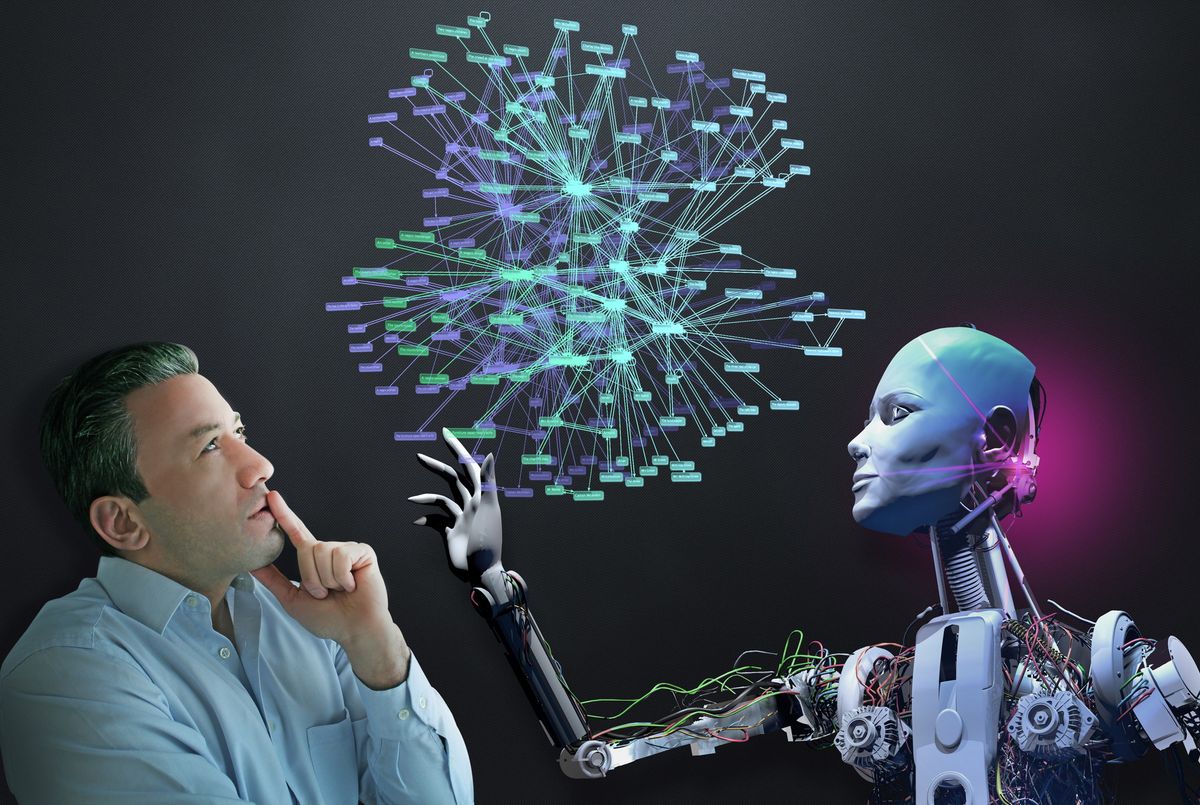
Lowering Barriers to Entry for Educational App Creation
The advent of AI in education is not just about enhancing learning experiences; it's about revolutionizing the way educational apps are created. AI is the great equalizer, democratizing the development process and enabling a broader range of individuals to contribute to the educational landscape. With AI-driven platforms, the dependency on specialized developers is reduced, allowing educators and business users to take the reins of innovation.
- AI development services, such as those offered by Stas4000, are paving the way for more intuitive app creation.
- 'No code' platforms are emerging, empowering those with little to no coding experience to build functional and impactful educational tools.
- Collaboration with AI copilots is making app development more accessible, guiding beginners and enhancing the skills of seasoned developers.
The synergy between AI and app development is creating a fertile ground for educational transformation.
The implications are profound: a teacher with a vision for a personalized learning app can now bring it to life without extensive technical knowledge. A school administrator can deploy a custom app to streamline processes, informed by predictive analytics. This is not just a shift in technology; it's a shift in empowerment, where the tools to innovate are placed directly in the hands of those who know the needs of students best. Let's embrace this change and unlock the full potential of AI in education.
Supporting Educators and Administrators with Development Tools
In the rapidly evolving landscape of education, AI development tools are not just a luxury, but a necessity for educators and administrators. These tools are the scaffolding upon which personalized learning experiences are constructed, enabling a seamless integration of AI into the educational framework.
- Ease of Use: Intuitive interfaces allow for quick adoption, even for those with limited technical expertise.
- Collaboration: Features that promote sharing and co-development foster a community of innovation.
- Support: Comprehensive resources and responsive support ensure that help is always at hand.
By equipping educators with robust AI development tools, we are not only enhancing their ability to teach but also empowering them to innovate. This is the cornerstone of a future where education is continually revitalized through technology.
The democratization of app development in education through platforms like OpenAI Feather and SIU Business GPT Fleet is a testament to the power of accessible technology. These platforms suggest more effective and accurate code, and proactively scan for any code vulnerabilities, ensuring that educators can focus on pedagogy rather than programming. The result is a dynamic educational ecosystem where the barriers between technology and teaching are dissolved, paving the way for an era of unprecedented educational innovation.
Fostering Innovation Through User-Friendly AI Platforms
In the realm of Educational AI Software Development, the creation of user-friendly AI platforms is a game-changer. These platforms are not just tools; they are incubators for innovation, where educators and developers converge to transform the educational landscape. Imagine a world where the barriers to creating cutting-edge educational apps are dismantled, where the power to personalize and enhance learning experiences is at your fingertips.
- Ease of Use: Simplified interfaces that require minimal coding knowledge.
- Accessibility: Platforms available to a wide range of users, regardless of technical expertise.
- Collaboration: Opportunities for educators to work alongside AI experts.
- Support: Comprehensive resources and tutorials to guide users.
By lowering the complexity of app development, we empower a diverse group of innovators to contribute to the educational ecosystem. This democratization not only sparks creativity but also accelerates the adoption of AI in education, leading to more personalized and effective learning solutions.
The potential for growth in this sector is immense. As we witness the rise of generative AI and its capacity to augment human creativity, the future of educational app development is poised for unprecedented expansion. The collaboration between AI copilots and developers is not just a partnership; it's a symbiosis that enriches both the creation process and the end-user experience. It's time to embrace these platforms and unleash the full potential of AI in education. Are you ready to be part of this transformative journey?
Interactive and Engaging Educational Environments

Incorporating Multimodal Learning Experiences
The advent of multimodal models in education, such as GPT-4 and CLIP, marks a transformative shift towards a more inclusive and dynamic learning environment. These AI-driven applications are designed to process and integrate various types of inputs, including text and images, to create a rich tapestry of educational content that caters to diverse learning styles.
- WaveGAN and BigGAN are examples of unimodal models that excel in specific tasks like audio generation or image synthesis, respectively. In contrast, multimodal models like GPT-4 can provide descriptive text for images or blend images into textual narratives, offering a more comprehensive learning experience.
By leveraging these advanced AI tools, educators can craft lessons that resonate with auditory, visual, and kinesthetic learners alike, ensuring no student is left behind.
The integration of AR and VR technologies further expands the horizon of multimodal learning, creating immersive paradigms that transform abstract concepts into tangible experiences. As we unlock the business potential with AI-powered analytics, personalized recommendations, and operational excellence, the educational landscape is poised for a sustainable competitive advantage.
Utilizing AI for Enhanced Student-Teacher Interactions
The integration of AI in Educational Technology is revolutionizing the way educators interact with students. AI-Enabled Teaching Tools are not just facilitating a more personalized approach to education but are also reshaping the dynamics of student-teacher interactions. With AI in Classroom Innovation, educators can now provide immediate, data-informed feedback, making learning more responsive and dynamic.
Virtual Learning with AI is not a distant dream but a tangible reality that is enhancing the educational journey for both teachers and students. AI for Student Engagement ensures that each student's voice is heard and their learning needs are met with precision and care.
AI in Curriculum Design is allowing educators to craft lessons that resonate with diverse learning styles, while AI-Assisted Tutoring Systems offer additional support, ensuring no student is left behind. The role of AI in Education Management is pivotal, as it streamlines communication, making administrative tasks less of a burden and more of a breeze.
Here's how AI is making a difference:
- AI for Education Accessibility: Breaking down barriers for learners with disabilities.
- AI in Educational Technology: Creating interactive and adaptive learning environments.
- AI-Enabled Teaching Tools: Providing real-time analytics for targeted instruction.
The call to action is clear: embrace the transformative power of AI to create a more inclusive, efficient, and engaging educational experience. Let's not just imagine the future of education; let's build it with the tools AI provides.
Creating Dynamic and Responsive Educational Platforms
In the rapidly evolving educational landscape, the creation of dynamic and responsive web platforms is not just a luxury—it's a necessity. Educational platforms must adapt in real-time to the needs of students, providing an environment that is both interactive and conducive to learning. With the integration of AI, these platforms can analyze student interactions and performance, leading to a more personalized and effective educational experience.
- Real-time feedback allows for immediate adjustments in teaching strategies.
- Adaptive learning technologies tailor content to the learner's pace and understanding.
- Predictive analytics can forecast student outcomes, enabling preemptive support.
By leveraging the expertise of professionals like Stas Sorokin, educational institutions can develop platforms that not only engage but also inspire students to reach new heights in their learning journey.
The future of education relies on our ability to harness the power of AI to create platforms that are not static repositories of information, but vibrant, living systems that grow and change with each student. It's time to embrace the potential of AI and take the first step towards a more adaptive, personalized learning environment. Are you ready to be a part of this transformative journey?
The Future of AI in Education: Trends and Prospects
Predicting the Evolution of AI-Enhanced Learning Systems
As we stand on the brink of a new era in education, the role of AI is not just transformative; it is foundational. The evolution of AI-enhanced learning systems is poised to redefine educational paradigms, ushering in an age where personalized learning is not a luxury but a standard. The integration of AI into educational software is rapidly transitioning from simple tasks to complex, adaptive systems that cater to the unique learning styles and needs of each student.
The convergence of AI with advanced technologies such as deep learning and Natural Language Processing (NLP) is creating a fertile ground for innovation in education.
With the advent of generative AI, the creation of highly personalized content is becoming a reality. This content is not static but evolves with the learner, ensuring that the educational journey is as dynamic as the learners themselves. The predictive capabilities of AI are set to revolutionize the way we approach learning outcomes, making it possible to anticipate and address educational needs before they become apparent.
- Adaptive learning that responds to student performance
- Reinforcement mechanisms that encourage continuous improvement
- Deep learning algorithms that provide strategic foresight
The future beckons with the promise of AI systems that not only adapt to our learning preferences but also anticipate them, creating a seamless and intuitive educational experience. As we look ahead, it is clear that the potential of AI in education is not just about enhancing current systems; it is about creating entirely new possibilities for learning and growth.
Exploring the Impact of AI on Educational Equity and Access
The AI Impact on Education is not just a technological revolution; it's a beacon of hope for leveling the educational playing field. AI-driven data analysis offers operational excellence, efficiency, and competitive advantage. By harnessing the power of AI, educational institutions can identify and bridge gaps in learning, making high-quality education accessible to all, regardless of socioeconomic status.
AI's potential to democratize education is profound. It can tailor resources to meet the diverse needs of students, ensuring that every learner has the tools to succeed.
However, the journey towards equitable education through AI is not without challenges. Consider the following points:
- The need for robust data privacy measures to protect student information.
- Ensuring that AI tools are free from biases that could perpetuate existing inequalities.
- The importance of providing educators with the necessary training to effectively integrate AI into their teaching.
Embrace AI for transformative outcomes and strategic growth in the digital marketplace of education. Join us in this pivotal movement and be a part of the change that shapes the future of learning for generations to come.
Envisioning Next-Generation AI Tools for Education
As we stand on the brink of a new era in educational technology, the potential of AI to revolutionize learning is not just a distant dream but an imminent reality. The next generation of AI tools for education promises to be transformative, offering unprecedented personalization and interactivity. Imagine AI systems that adapt in real-time to each student's learning pace, style, and preferences, making education a truly individualized experience.
- Adaptive Learning Systems: Tailoring content dynamically to suit individual learning trajectories.
- Intelligent Tutoring: Providing instant feedback and support, akin to a personal tutor.
- Language Models: Enhancing language learning with conversational AI.
The fusion of AI with education is poised to create a synergy that could redefine the very nature of learning, making it more engaging, accessible, and effective than ever before.
The integration of predictive analytics and generative AI will not only personalize learning but also empower educators to craft curricula that resonate with every learner. As we envision the future, it is crucial to consider the ethical implications and strive to ensure that these advancements are accessible to all, thereby democratizing education. Let us embrace the journey towards an enlightened future where education is not a one-size-fits-all model, but a tailored journey that nurtures the unique potential of each student. Join the conversation and be a part of this transformative movement.
Conclusion
In conclusion, the integration of AI into custom web applications for education represents a transformative leap forward, offering unprecedented personalization in learning and efficiency in administration. As we have explored, AI's capacity to analyze student data and behavior to tailor educational content not only enriches the learning experience but also empowers educators to provide individualized support. Moreover, the democratization of app development through AI assistance enables a broader range of individuals to contribute to the educational ecosystem, fostering innovation and inclusivity. The future of AI-powered app development in education is not only promising but essential, as it aligns with the evolving needs of students and educators in an increasingly digital world. Embracing AI's potential will undoubtedly lead to more interactive, engaging, and effective educational environments, ultimately enhancing the educational journey for all stakeholders involved.
Frequently Asked Questions
How does AI personalize learning experiences in education?
AI personalizes learning experiences by analyzing student data and behavior to create customized learning materials. This approach tailors educational content to individual needs, adapts learning paths to enhance student engagement, and provides educators with data-driven insights for personalized feedback.
In what ways can AI streamline educational administration?
AI streamlines educational administration by automating routine tasks, improving efficiency, and reducing manual workloads. It also employs predictive analytics to aid in decision-making and provides communication and collaboration tools to facilitate smoother operations within educational institutions.
How is app development in education being democratized by AI?
AI is democratizing app development by lowering barriers to entry, allowing more educators and administrators to build custom web apps. AI-powered development platforms offer support and tools that simplify the creation process, making it more accessible to non-technical users.
What role does AI play in creating interactive educational environments?
AI plays a crucial role in creating interactive educational environments by incorporating multimodal learning experiences, enhancing student-teacher interactions through AI-driven tools, and developing dynamic, responsive educational platforms that adapt to the needs of learners.
What are the future trends and prospects for AI in education?
Future trends for AI in education include the evolution of AI-enhanced learning systems, the impact on educational equity and access, and the development of next-generation AI tools. AI is expected to become more integrated, providing personalized user experiences and transforming app development.
What challenges are associated with using AI for app development in education?
Challenges in using AI for app development include ensuring data privacy and security, managing the ethical implications of AI decisions, maintaining the quality and accuracy of AI-generated content, and providing sufficient training for educators to effectively use AI tools.


Comments
Post a Comment