How AI Integration in Custom Web Apps Revolutionizes the Education Sector

The integration of Artificial Intelligence (AI) into custom web applications is a game-changer for the education sector, offering unprecedented opportunities for personalization, efficiency, and inclusivity. By harnessing the power of AI, educational web apps can deliver tailored learning experiences, streamline administrative operations, and overcome traditional barriers to learning. This article delves into the transformative impact of AI on education through custom web app integration, exploring the benefits and advancements that are reshaping the landscape of learning.
Key Takeaways
- AI personalizes education by adapting content to individual student needs, leading to increased engagement and better learning outcomes.
- Administrative tasks such as grading and scheduling are automated with AI, freeing educators to focus more on teaching and student interaction.
- AI-powered tools enhance accessibility for students with disabilities and provide solutions to overcome language barriers, broadening the reach of education.
- The use of AI in education encourages engagement and motivation through strategies like gamification and real-time feedback, creating dynamic learning environments.
- Selecting appropriate AI tools and integrating them into existing educational frameworks is crucial for achieving the full potential of AI in the education sector.
The Role of AI in Personalizing Education
Adaptive Learning Technologies
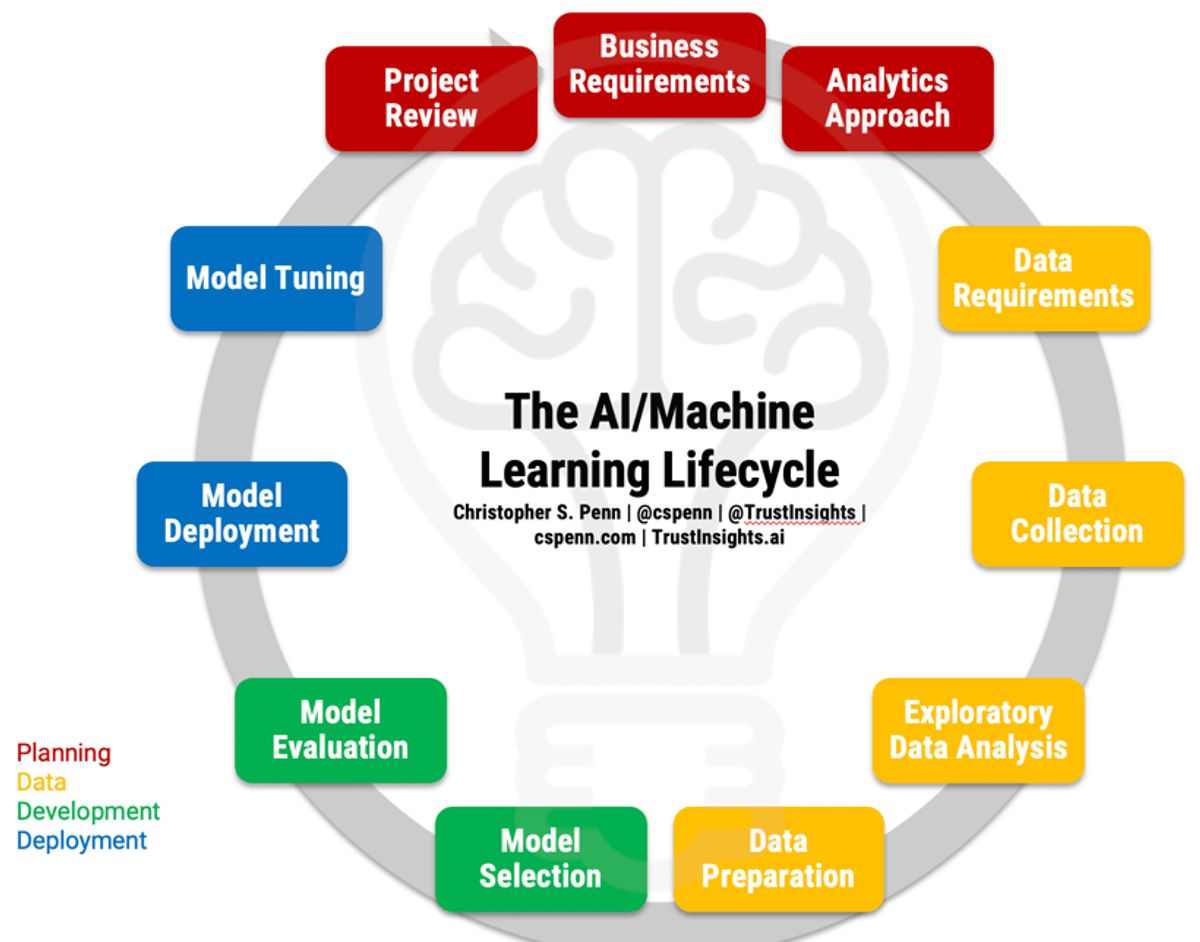
In the realm of education, Personalized Learning AI Solutions are transforming the landscape, offering students a tailored educational journey. AI Adaptive Learning Systems meticulously analyze individual learning patterns, preferences, and performance to craft a unique curriculum for each learner. This approach not only enhances the learning experience but also maximizes the potential for academic success.
Consider the power of AI in creating a dynamic learning environment:
- AI algorithms identify and adapt to a student's learning style and pace.
- Customized content delivery focuses on a student's specific areas for improvement.
- Real-time adjustments to learning paths ensure continuous engagement and progress.
By integrating adaptive learning technologies, educators can ensure that every student receives the attention and resources they need to thrive. This is not just about improving grades; it's about nurturing a love for learning and equipping students with the skills to succeed in an ever-changing world.
Selecting the right AI tools is crucial for educators aiming to implement adaptive learning in their classrooms. It's about understanding the unique needs of your students and choosing solutions that can meet those needs effectively. As we continue to explore the potential of AI in education, the promise of a more personalized, efficient, and inclusive learning environment becomes increasingly tangible. Embrace the future of education with AI Adaptive Learning Systems, and witness the transformation in your students' educational journey.
Intelligent Tutoring Systems
AI-Assisted Tutoring Systems are transforming the educational landscape by offering a level of personalization previously unattainable. These systems adapt in real-time to the needs of each student, ensuring that every learner receives the attention and tailored instruction necessary to thrive. By analyzing responses and interactions, AI tutors modify their teaching strategies, pacing, and difficulty to optimize the learning experience.
With the ability to pinpoint and address knowledge gaps swiftly, AI-Assisted Tutoring Systems not only bolster student comprehension but also empower educators to provide timely and targeted support.
For example, in language learning, these systems can evaluate pronunciation and fluency, offering immediate corrections and practice tailored to the student's unique challenges. This personalized feedback is invaluable for self-paced learners who may lack regular access to human tutors.
- Personalized Learning: Each student's journey is uniquely sculpted by AI, enhancing engagement and outcomes.
- Intelligent Feedback: Real-time analysis and responses from AI tutors provide a responsive learning environment.
- Focused Support: AI identifies and targets individual learning gaps, offering specific resources and exercises.
Embrace the future of education with AI-Assisted Tutoring Systems. Discover how these innovative tools can revolutionize your learning or teaching approach. The time to adapt is now—don't let your educational strategies become relics of the past.
Predictive Analytics in Student Performance
The advent of AI for Education Analytics has ushered in a transformative era for the education sector. Predictive analytics, powered by AI, is not just a buzzword but a robust tool that is reshaping how educators approach student performance. By meticulously analyzing data from quizzes, assignments, and practice exercises, AI systems can pinpoint knowledge gaps and provide real-time, actionable feedback. This not only empowers students to excel by addressing their weaknesses but also enables educators to tailor support and interventions effectively.
The power of predictive analytics lies in its ability to forecast academic challenges before they become impediments. It's a proactive measure that ensures every student has the opportunity to succeed.
Consider the following table, which illustrates the impact of predictive analytics on student performance:
| Metric | Without AI | With AI |
|---|---|---|
| Knowledge Gap Identification | Slow and Manual | Immediate and Automated |
| Feedback Timeliness | Delayed | Real-Time |
| Intervention Accuracy | Generalized | Personalized |
Embracing AI for Education Analytics means committing to a future where every learner's potential is maximized. As we continue to innovate, the education sector must remain vigilant in selecting and integrating AI tools that align with pedagogical goals and enhance learning outcomes. Let's not just imagine a future of personalized education; let's build it together. Engage with us to explore how AI can revolutionize your educational framework and join the forefront of EdTech innovation.
Streamlining Administrative Efficiency with AI

Automated Grading and Assessment
The integration of AI in education has brought about a seismic shift in how grading and assessment are approached. Automated grading systems are not just about efficiency; they represent a fundamental change in the educational paradigm. By swiftly analyzing student submissions, AI algorithms provide immediate, objective feedback, freeing educators from the laborious task of manual grading.
- Instantaneous grading of quizzes and written responses
- More time for educators to focus on interactive teaching
- Objective performance evaluation, free from human bias
The real-time feedback facilitated by AI doesn't just benefit educators; it's a boon for students as well. They receive prompt insights into their strengths and weaknesses, allowing for a more dynamic and responsive learning experience.
As we embrace these technologies, it's crucial to ensure they align with our educational goals. The right AI tools can lead to a more personalized and effective education system, but they must be chosen with care. Elevate your educational impact: Start building smarter with our custom software development services!
AI-Driven Scheduling and Management
In the bustling corridors of educational institutions, AI-driven scheduling and management stand as pillars of modern efficiency. By harnessing the power of artificial intelligence, schools and universities are now able to orchestrate the complex symphony of academic timetables, resource allocation, and administrative tasks with unprecedented precision.
AI's capability to analyze and optimize scheduling ensures that each student's day is tailored to their educational needs, while also maximizing the use of institutional resources.
For instance, AI systems can evaluate workload data to match tasks with educators' expertise and availability, akin to the services provided by professionals like Stas Sorokin, who specialize in integrating AI into web applications. This not only streamlines operations but also enhances the learning environment by reducing bottlenecks and improving productivity.
- Real-time tracking and monitoring of resources
- Intelligent traffic management within campus networks
- Optimized warehouse layout for educational materials
Selecting the right AI tools for your institution's unique needs is crucial. It's about creating a seamless educational experience that not only meets but anticipates the needs of students and staff alike. Embrace the future of education by integrating AI-driven solutions today, and watch as your institution transforms into a beacon of 21st-century learning.
Data-Driven Decision Making in Education
In the realm of education, data-driven decision making is pivotal for tailoring learning experiences to individual needs. AI systems are instrumental in deciphering complex data patterns, enabling educators to make informed decisions that enhance student learning outcomes. By leveraging AI, schools can transform vast amounts of educational data into actionable insights.
The integration of AI in education allows for a nuanced understanding of student performance, leading to targeted interventions and personalized learning strategies.
For instance, AI-powered analytics can reveal a student's proficiency in various subjects, their learning pace, and preferred learning styles. This information is crucial for educators to adjust their teaching methods and materials accordingly. Here's how AI analytics can impact decision making:
- Identification of knowledge gaps: Pinpointing areas where students struggle allows for timely and effective remediation.
- Optimization of resource allocation: Ensuring that educational resources are directed where they are most needed.
- Enhancement of curriculum design: Tailoring curricula to meet the evolving needs of the student body.
The goal is to create a learning environment where every student can thrive. To achieve this, it's essential to select the right AI tools that align with your educational objectives. Stas Sorokin, a Pro Verified Seller, offers expert web development consultation with a focus on AI. Clients praise his clear explanations, exceptional quality, and support. Embrace the future of education by integrating AI into your decision-making processes, and witness the transformative impact on student success.
Enhancing Accessibility and Inclusivity through AI
AI Tools for Students with Disabilities
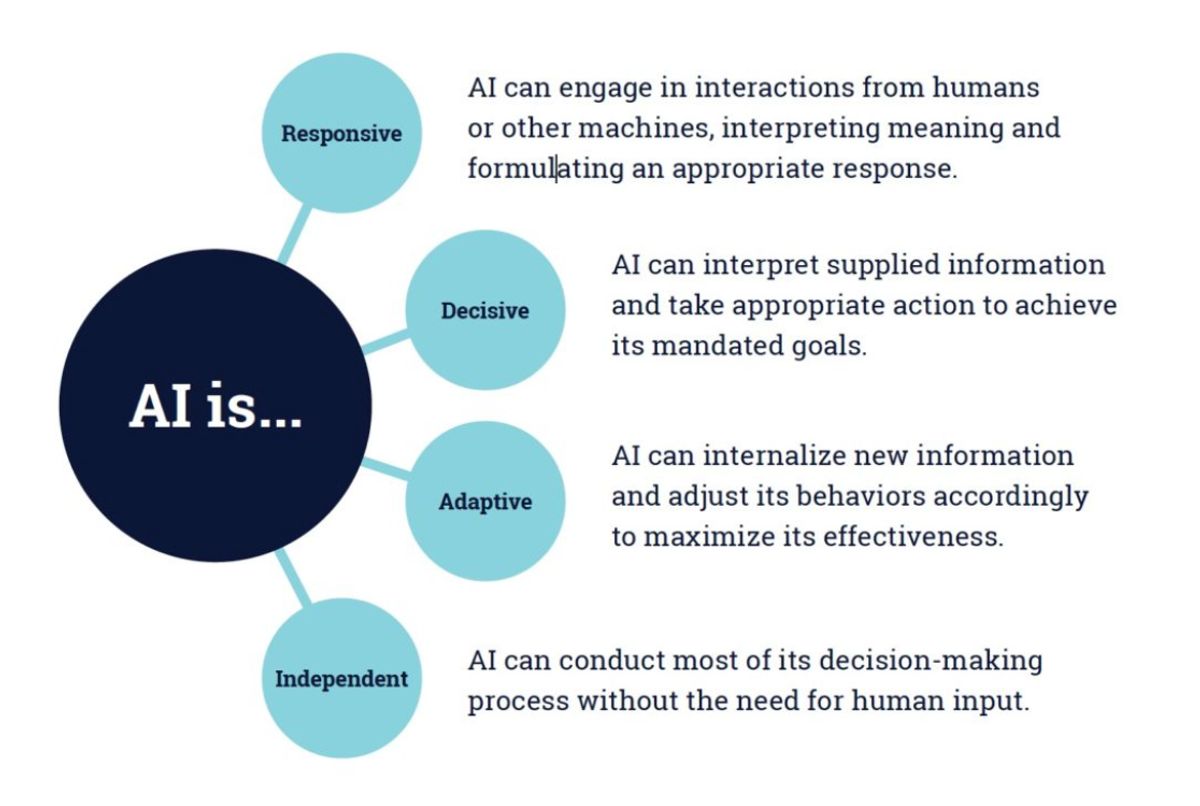
The advent of AI tools for students with disabilities marks a transformative era in education, where inclusivity is not just an ideal but a practical reality. AI-driven technologies are breaking down barriers, offering students with diverse needs the opportunity to engage with learning materials in ways that were previously unimaginable. For instance, text-to-speech software enables visually impaired students to access written content, while speech-to-text tools assist those with motor skill challenges in participating in written assignments.
These AI solutions are not only about accessibility; they are about empowerment. By providing the necessary support, students with disabilities can now compete on an equal footing with their peers, fostering a sense of independence and confidence. The table below showcases a selection of AI tools that cater to different disabilities, illustrating the breadth of options available:
| AI Tool | Disability Addressed | Function |
|---|---|---|
| Text-to-Speech | Visual Impairment | Converts text into spoken words |
| Speech-to-Text | Motor Skills Challenges | Translates spoken words into text |
| Sign Language Recognition | Hearing Impairment | Interprets sign language into text or speech |
The integration of AI into custom web apps is not just a technological upgrade; it is a commitment to educational equity. By harnessing these tools, educators can create a learning environment that acknowledges and supports the unique challenges faced by students with disabilities.
As we continue to explore the potential of AI in education, it is crucial to remember that technology is a means to an end—the end being a more inclusive and equitable educational landscape. Bles Software offers insights on AI, technology, and software solutions for businesses from startup to enterprise, focusing on leveraging AI for scalable growth and innovation. Let's embrace this journey together, ensuring that every student has the tools they need to succeed.
Overcoming Language Barriers in Learning
In the realm of education, the ability to communicate and comprehend multiple languages is not just an asset but a necessity. AI-powered tools are breaking down these barriers, offering students the chance to immerse themselves in new languages from the comfort of their own homes or classrooms. With applications like Duolingo, learners are provided with a personalized experience that adapts to their individual progress, ensuring that each lesson is both challenging and attainable.
The integration of AI into eLearning is solving real-life educational challenges, making education more accessible and engaging.
Moreover, AI-driven platforms extend beyond mere vocabulary and grammar; they encompass cultural nuances and conversational skills. Virtual reality (VR) technology, for example, allows learners to experience lifelike interactions in foreign environments, simulating the experience of being abroad without the need for travel. This not only aids in language acquisition but also enriches the learner's understanding of different cultures.
The table below showcases some of the leading AI tools that are revolutionizing language learning:
| # | AI Tool | Description |
|---|---|---|
| 1 | Duolingo | Personalized language learning experiences that adapt to user performance. |
| 2 | Grammarly | Enhances writing proficiency by correcting grammar and style in multiple languages. |
By integrating these AI solutions into educational frameworks, institutions are not only enhancing the learning experience but are also preparing students for a globalized world. As we continue to witness the evolution of AI in education, it is imperative to stay informed and select the right tools that align with educational goals. Embrace the future of learning; explore the possibilities that AI integration in custom web apps can offer.
Expanding Educational Reach with AI
The advent of Educational AI Software Development has been a game-changer in democratizing knowledge. By integrating AI into virtual platforms, Virtual Learning with AI has become more than a buzzword; it's a reality that's breaking down geographical barriers and bringing quality education to remote corners of the world. The AI Impact on Education is profound, offering unprecedented scalability and customization options for educational services.
- AI for Education Accessibility is not just an ideal; it's a practical pathway to inclusive learning.
- Virtual classrooms powered by AI are now capable of supporting diverse learning needs, adapting to individual student's pace and style.
- AI-driven analytics provide insights that help educators reach students more effectively, regardless of location.
The potential of AI to expand educational reach is not just about technology; it's about empowering every learner with the tools they need to succeed.
As we embrace the transformative power of AI, it's crucial to recognize the role of AI for Education Accessibility in leveling the playing field. Whether it's through personalized learning experiences or adaptive content delivery, AI is making education more attainable for all. Don't let your educational institution lag behind in harnessing the benefits of AI. Explore the possibilities and start integrating AI solutions today to ensure that every student has the opportunity to thrive in a rapidly evolving educational landscape.
AI-Powered Engagement and Motivation Strategies
Gamification in Education
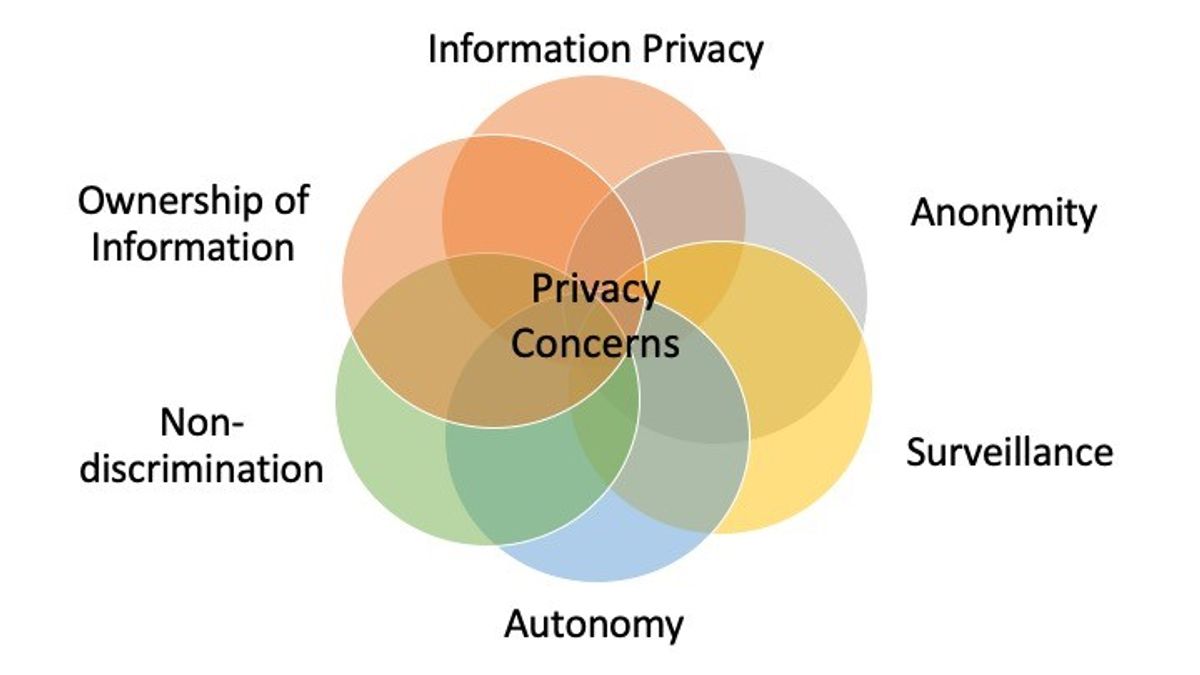
In the realm of education, AI for Student Engagement has become a pivotal force, particularly through the lens of gamification. AI-driven analytics revolutionize customer engagement by delivering personalized experiences, enhancing brand loyalty, and driving growth through actionable insights and strategic actions. This same principle is applied to education, where AI-powered adaptive learning and assessment platforms integrate gamification elements to not only make learning more interactive but also to tailor challenges and rewards to the individual learner.
By incorporating elements of play, AI gamification strategies transform the educational landscape, making the process of learning not just informative but also deeply engaging and enjoyable.
AI-driven gamification and microlearning techniques address the common challenge of keeping students motivated. Personalized reminders and encouragement sent by AI help learners maintain their momentum. A language learning app, for example, might use AI to craft game-like activities based on a student's specific vocabulary and grammar knowledge, adjusting difficulty to optimize engagement without causing frustration.
Selecting the right AI tools for gamification in education is crucial. Educators must evaluate solutions that offer real-time feedback, adapt to student performance, and foster an environment where learning is a rewarding experience. Embrace the future of education by integrating AI-driven gamification into your learning strategies and witness a transformation in student engagement and motivation.
Real-Time Feedback Mechanisms
In the dynamic landscape of education, real-time feedback mechanisms stand out as a transformative AI feature. These systems provide students with immediate insights into their learning progress, fostering an environment where they can swiftly identify and address areas needing improvement. The immediacy of such feedback is crucial for maintaining student engagement and motivation, as it allows for a tight feedback loop and course correction.
- Immediate Insight: Students receive instant analysis of their performance.
- Personalized Guidance: AI offers tailored recommendations for improvement.
- Engagement Boost: Timely feedback keeps students motivated and focused.
The power of real-time feedback lies in its ability to create a personalized learning experience that adapts to the unique pace and style of each student.
Selecting the right AI tools that offer real-time feedback can be a game-changer for educators and learners alike. It's not just about the technology; it's about harnessing its potential to make education more responsive and effective. As we continue to explore the capabilities of AI in education, the integration of real-time feedback mechanisms will undoubtedly play a pivotal role in shaping the future of learning. Embrace the change, and let AI take your educational experience to new heights.
Customized Learning Pathways
In the realm of education, AI-Driven Learning Platforms are not just a trend; they are a transformative force. These platforms harness the power of artificial intelligence to tailor the educational experience to the individual learner, ensuring that each student's journey is as unique as their fingerprint. By analyzing data on performance and preferences, AI customizes the difficulty level of tasks, recommends resources, and predicts needs, thereby personalizing the learning process to an unprecedented degree.
The benefits of such personalized education are manifold. Students are no longer confined to a one-size-fits-all curriculum but are instead provided with learning pathways that adapt in real-time to their evolving capabilities and interests. This dynamic approach to education fosters deeper engagement and motivation, as learners feel their unique challenges and goals are being recognized and met.
The integration of AI into education goes beyond mere convenience; it represents a paradigm shift in how we understand and facilitate learning. It is a commitment to nurturing the full potential of every student.
Selecting the right AI-Driven Learning Platform is crucial for educators aiming to offer the most effective and personalized learning experiences. Here are some key considerations:
- Assess the platform's ability to integrate with existing systems.
- Evaluate the quality and adaptability of the content it generates.
- Ensure the platform's algorithms are transparent and fair.
Embrace the future of education by exploring AI-Driven Learning Platforms that resonate with your educational goals. The journey towards a more personalized, engaging, and effective learning experience begins here.
Selecting the Right AI Tools for EdTech Innovation
Evaluating AI Solutions for Educational Needs
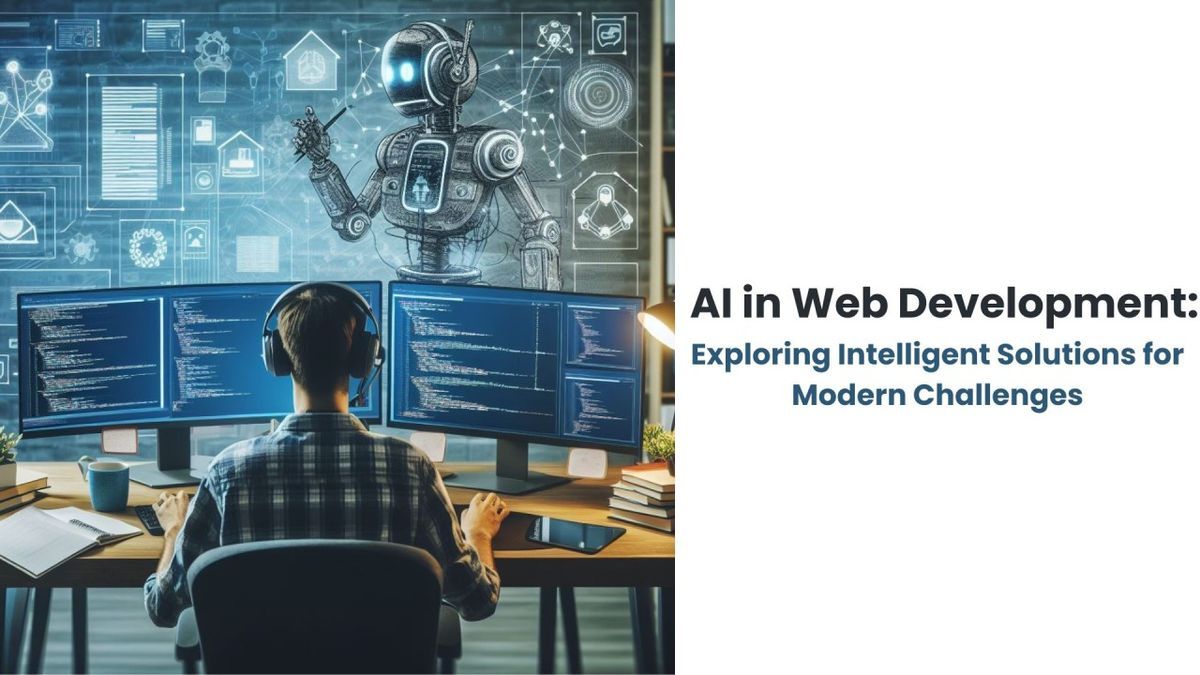
Selecting the right AI tools for your educational technology (EdTech) venture is a critical step that can determine the success of your integration efforts. Identifying the most effective AI solutions requires a deep understanding of both the educational challenges and the capabilities of AI technologies. To ensure that your investment yields the desired outcomes, consider the following aspects:
- The specific educational needs and goals of your institution
- The compatibility of AI tools with your existing infrastructure
- The scalability and adaptability of the AI solutions to future educational trends
- The level of support and training required for effective implementation
By meticulously evaluating these factors, you can align AI integration with your strategic objectives, thereby transforming your educational offerings into data-driven, personalized experiences that resonate with students.
Remember, integrating AI in sales transforms businesses into data-driven powerhouses. Adaptive learning, reinforcement, and deep learning drive continuous improvement and strategic foresight for thriving in the digital economy. As you embark on this transformative journey, ensure that the AI solutions you choose not only address current needs but are also poised to adapt to the evolving landscape of education.
Integrating AI into Existing Educational Frameworks
The integration of AI in Educational Technology is not just about adopting new tools; it's about weaving AI seamlessly into the fabric of existing educational frameworks. This requires a strategic approach that respects the nuances of educational environments and leverages AI to enhance, rather than disrupt, the learning experience.
Incorporating AI into the classroom goes beyond the mere presence of technology. It involves a thoughtful infusion of AI in Classroom Innovation, where AI-Enabled Teaching Tools become an extension of the educator's toolkit, allowing for more dynamic and responsive teaching methods. Similarly, AI in Education Management can streamline administrative tasks, freeing educators to focus on teaching and mentorship.
When it comes to AI in Curriculum Design, the goal is to create a symbiotic relationship between AI and educators. This partnership can lead to more personalized and effective learning pathways, catering to the diverse needs of students. The table below illustrates the potential impact of AI integration across different educational aspects:
| Aspect of Education | Potential Impact of AI Integration |
|---|---|
| Teaching Methods | Enhanced adaptability and responsiveness |
| Administrative Tasks | Increased efficiency and accuracy |
| Curriculum Design | Personalized learning experiences |
Embracing AI in education is not a one-size-fits-all solution. It requires careful consideration of the unique needs and goals of each educational institution. By taking a measured and tailored approach, AI can become a powerful ally in the quest for educational excellence.
To ensure that your institution is at the forefront of this revolution, consider our Professional API integration services. Starting at $175, we offer custom solutions tailored to your unique needs, with frameworks for AI integration in decision processes that emphasize gradual sophistication and seamless communication with existing systems through APIs.
Future Trends in AI for Education
As we stand on the brink of further technological advancements, the future of AI in education is poised to be transformative. A recent study forecasts a staggering growth in the AI education market, with a compound annual growth rate (CAGR) surpassing 45% between 2023 and 2027. This surge is indicative of the sector's readiness to embrace AI's potential to revolutionize learning experiences.
The integration of AI in education is not just a fleeting trend but a foundational shift that will redefine how educational content is delivered and consumed.
In the United States alone, a significant 60% of educational institutions have already adopted AI tools to enhance teaching and learning processes. The impact is particularly pronounced in higher education, which holds the largest market share and is expected to continue its growth trajectory.
Looking ahead, we can anticipate the evolution of automation tools from basic scripts to sophisticated AI-driven systems. These advancements will not only streamline administrative tasks but also enrich the learning environment with personalized and adaptive educational experiences. As AI tools become more adept at addressing the diverse needs of learners, they will pave the way for more inclusive and accessible education.
To ensure your edtech company remains at the forefront of this shift, it's crucial to stay informed and prepared to integrate the latest AI innovations. Join us in exploring the transformative power of AI in eLearning, and seize the opportunity to elevate your educational offerings.
Conclusion
In summary, the integration of AI into custom web applications for education is not just a fleeting trend but a transformative movement reshaping the educational landscape. The statistics and case studies presented reveal a trajectory towards a more personalized, efficient, and inclusive future for education. AI's capacity to tailor learning experiences, streamline administrative processes, and enhance engagement is already making a marked difference in the eLearning industry. As we continue to harness the power of AI, we must also navigate the challenges and risks associated with its implementation thoughtfully. Nonetheless, the potential benefits for educational institutions, educators, and learners are immense, and the growth predictions for AI in education suggest an era of unprecedented innovation and accessibility. For edtech companies, the message is clear: the opportunity to revolutionize education with AI is now, and it is imperative to embrace these advancements to remain competitive and impactful in the evolving educational sector.
Frequently Asked Questions
How does AI personalize the learning experience for students?
AI personalizes learning by analyzing student performance and preferences to tailor content, adjust difficulty levels, and provide targeted resources, ensuring each student receives a customized educational experience that aligns with their individual needs.
What are the benefits of AI in streamlining administrative tasks in education?
AI automates administrative tasks such as grading, scheduling, and data management, which increases efficiency, reduces errors, and allows educators to focus more on teaching and student engagement.
In what ways does AI enhance accessibility and inclusivity in education?
AI-powered tools provide accessible learning materials for students with disabilities and overcome language barriers, ensuring that all students have equal opportunities to learn and succeed.
How does AI integration in web apps motivate students in their learning journey?
AI integration in web apps can motivate students by incorporating gamification elements, providing real-time feedback, and creating personalized learning pathways that make the learning process more engaging and rewarding.
What should educational institutions consider when selecting AI tools for EdTech innovation?
Educational institutions should evaluate AI tools based on their specific educational needs, compatibility with existing frameworks, and the potential to adapt to future trends and advancements in AI technology.
What is the predicted growth for the AI in education market, and what does this indicate?
The global AI in education market is predicted to grow at a CAGR of over 45% between 2023 and 2027, indicating a rapidly increasing adoption rate and a significant opportunity for educational institutions to innovate and enhance learning experiences.


Comments
Post a Comment