Harnessing AI for Enhanced Educational Web Applications: Personalizing Learning and Streamlining Admin Tasks
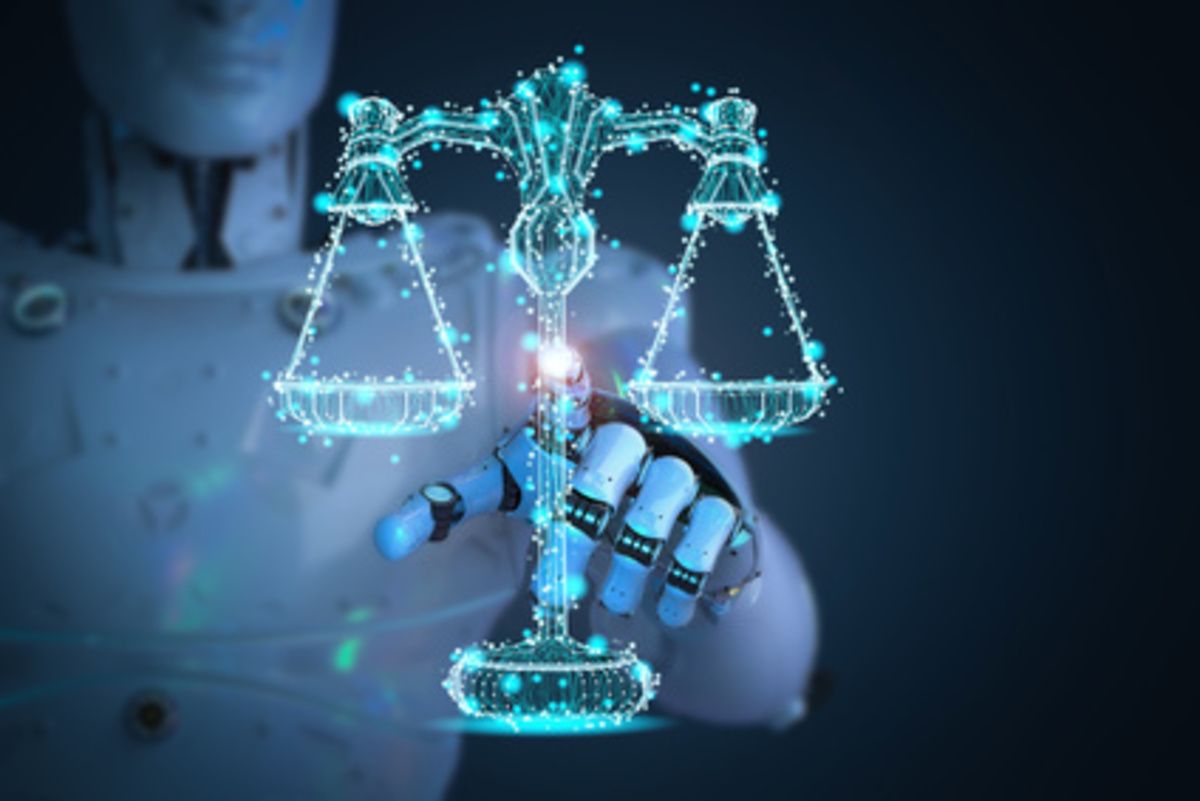
As the landscape of education continuously evolves with technological advancements, the integration of Artificial Intelligence (AI) into web applications presents unprecedented opportunities for enhancing educational experiences. This article delves into the multifaceted role of AI in education, discussing its capacity to personalize learning, streamline administrative tasks, and ultimately create a more engaging and efficient educational environment for students and educators alike.
Key Takeaways
- AI can significantly personalize the educational experience, using adaptive learning algorithms to cater to the individual strengths, weaknesses, and learning paces of students.
- AI admin assistants and automated tools are transforming classroom management by handling time-consuming tasks such as attendance tracking, material organization, and assignment grading.
- Lesson planning can be optimized with AI, reducing the time educators spend on preparation and enabling a focus on delivering high-quality, data-driven instruction.
- Inclusive and accessible learning environments are fostered by AI, which can support students with special needs and facilitate multilingual education, ensuring equitable learning opportunities.
- The future of education will be shaped by the balance between AI and human interaction, with the need for ethical AI use policies and preparation for educators to navigate the AI-enhanced teaching landscape.
The Role of AI in Personalizing Educational Experiences

Adaptive Learning Algorithms for Tailored Education
In the realm of education, Personalized Learning AI Solutions are transforming the landscape, offering unprecedented customization in the learning journey. AI Adaptive Learning Systems are not just futuristic concepts but present-day tools that dynamically adjust to the individual learner's needs. Imagine a classroom where each student receives a unique, tailored educational experience, meticulously crafted by intelligent algorithms that adapt in real-time to their learning pace and style.
The power of AI in education lies in its ability to scale personalized learning, making it accessible to all. By analyzing data on how students interact with material, AI can suggest modifications to the curriculum that resonate with each learner's cognitive preferences.
This is not a distant dream but a tangible reality, as AI-driven platforms can now offer personalized feedback, craft individual learning paths, and even assist educators in lesson planning. The result? A more efficient, effective, and engaging educational experience for both students and teachers.
- Personalized feedback for each student
- Custom learning paths tailored to cognitive preferences
- Efficient lesson planning for educators
By harnessing the capabilities of AI, educational institutions can cater to a diverse array of cognitive needs and abilities, ensuring that every student has the opportunity to excel. The era of one-size-fits-all education is coming to an end, and the future is bright with the promise of AI-enhanced learning.
Catering to Diverse Cognitive Needs and Abilities
In the realm of education, diversity extends beyond the visible spectrum; it delves into the intricate tapestry of cognitive abilities and learning styles that each student possesses. AI-driven analytics are at the forefront of recognizing and adapting to these individual differences, ensuring that every learner's journey is as unique as their fingerprint. By analyzing patterns and engagement levels, AI can tailor educational content to match the pace and complexity suited for each student, much like a skilled craftsman shaping a bespoke suit.
The true power of AI lies in its ability to transform a one-size-fits-all curriculum into a dynamic learning environment that grows and evolves with the student.
Educators are now equipped with tools that can dissect complex data, revealing insights into how students interact with material and where they excel or struggle. This information is pivotal for creating a learning experience that is not only inclusive but also empowering. Consider the following strategies:
- Utilizing AI to identify learning gaps and provide targeted interventions.
- Implementing adaptive learning platforms that adjust in real-time to a student's performance.
- Designing multimodal content that caters to various learning preferences, from visual to kinesthetic.
As we harness the potential of AI to meet diverse cognitive needs, we must also ensure that data integrity is maintained to provide the most effective and personalized educational experiences. The journey towards a truly inclusive education system is complex, but with AI, we are one step closer to making it a reality. Engage with us as we explore the transformative impact of AI on education. Let's shape a future where every student's potential is recognized and nurtured.
Empowering Self-Directed Learning with AI Tools
In the realm of education, AI-driven analytics are not just a buzzword; they are a transformative force. Educational AI Software Development has paved the way for tools that not only support but also enhance the self-directed learning experience. AI chatbots, such as Socratic by Google and ChatGPT, are prime examples of how technology is enabling students to take charge of their learning journeys with personalized recommendations and guidance.
The benefits of AI in fostering self-directed learning are manifold. Here's a glimpse into how AI tools are reshaping the educational landscape:
- Personalized Learning Paths: AI algorithms analyze student performance to suggest tailored educational content.
- Interactive Simulations: These provide experiential learning opportunities, making abstract concepts tangible.
- Efficient Resource Management: AI helps in organizing study materials, saving time for more focused learning.
The symbiotic relationship between AI and human involvement is crucial for a balanced and effective educational experience. While AI provides the tools for self-directed learning, the human element adds a layer of empathy and understanding that technology alone cannot offer.
As we witness the rise of AI in education, it's essential to consider the right tools for your needs. Whether it's AI detectors, lesson planners, or quiz makers, the selection should align with educational goals and learning outcomes. The future of education is here, and it beckons educators and learners alike to embrace the possibilities that AI brings to the table. Are you ready to be part of this revolution?
Streamlining Administrative Workflows in Education

AI Admin Assistants: A New Era of Classroom Management
Imagine a world where the administrative load on educators is significantly reduced, allowing them to dedicate more time to what truly matters: nurturing the minds of their students. AI admin assistants are revolutionizing classroom management by taking over the repetitive and time-consuming tasks that often bog down teachers. These intelligent systems are not just futuristic concepts but are available now, providing immediate benefits in educational settings.
- Attendance Tracking: AI systems can automatically log student attendance, using facial recognition or login data.
- Material Organization: AI helps in categorizing and storing teaching materials for easy access.
- Assignment Grading: Advanced algorithms can grade multiple-choice and fill-in-the-blank questions, providing instant feedback.
By integrating AI admin assistants into their workflow, educators can reclaim precious hours each week, translating into more personalized attention for each student and a more dynamic learning environment.
The Bles Software website offers insights on leveraging AI for scalable growth, business expansion, SaaS innovation, and software development efficiency. Subscribe for AI, technology, and software solutions to stay ahead in the rapidly evolving educational landscape. Embrace the new era of classroom management and witness a transformation in both teaching efficiency and student engagement.
Automating Attendance and Material Organization
The integration of AI into the realm of education has brought forth a revolution in mundane yet critical tasks such as attendance tracking and material organization. AI systems are now capable of automating these processes, freeing educators from the time-consuming clerical work that often detracts from their primary role of teaching and mentoring students.
With AI, attendance can be recorded in real-time through facial recognition or digital check-ins, ensuring accuracy and consistency. This data, when aggregated, can provide valuable insights into student engagement and participation patterns. Material organization, too, has been transformed. AI-driven platforms can categorize and store educational resources, making them easily accessible to both teachers and students. Consider the following benefits:
- Efficiency: Automated systems reduce the time spent on manual entry.
- Accuracy: Minimizes human error in record-keeping.
- Insights: Offers data-driven analysis of attendance trends.
- Accessibility: Ensures materials are organized and retrievable with ease.
Embracing AI for these administrative tasks not only streamlines operations but also allows educators to reallocate their focus towards more impactful teaching strategies and student interactions.
As we continue to explore the potential of AI in education, it's crucial to engage with these technologies to enhance our educational environments. Let's not just imagine but actively participate in creating a future where administrative efficiency supports the ultimate goal of education—enriching the lives of our learners. Join the movement towards an AI-empowered educational system and witness the transformation in your classroom.
AI Assessment Graders: Redefining Efficiency
In the quest for operational excellence, AI assessment graders are revolutionizing the educational landscape. Teachers now wield a powerful tool that not only accelerates grading but also provides deep insights into student performance. Imagine the hours reclaimed, the detailed feedback made possible, and the strategic initiatives educators can now pursue with AI-driven data analysis.
With AI assessment graders, educators can adapt assessment questions into more meaningful queries, diving into the heart of what students understand without the endless hours of grading.
Here's how AI is transforming the assessment process:
- Automated grading of multiple-choice and short-answer questions.
- Detailed analytics that highlight student understanding and areas for improvement.
- Customizable feedback that can be tailored to individual student needs.
By integrating AI into assessment practices, educators are not only enhancing their teaching strategies but also ensuring assessment equity for all students. This technology is a stepping stone towards a more inclusive and effective educational system.
As we embrace these transformative outcomes, let's not forget the human element that remains irreplaceable in education. The synergy between AI and educators is where the true competitive advantage lies. Join us in this journey of innovation and personalize education like never before.
AI-Driven Strategies for Effective Lesson Planning
Reducing Time on Planning Through AI Integration
The integration of AI into the educational landscape is revolutionizing the way educators approach lesson planning. AI lesson planners are transforming the tedious task of drafting lesson outlines, objectives, activities, and prompts into a seamless and efficient process. With these tools, teachers can now plan their lessons without breaking a sweat, allowing them to focus more on the art of teaching and less on the administrative burdens.
- Plan more creative lessons with AI's assistance
- Instantly generate quizzes and assessment questions
- Streamline pre-production tasks such as scheduling
The shift towards AI-assisted lesson planning is not just about saving time; it's about enhancing the quality of education. By reducing the hours spent on planning, educators can dedicate more energy to instructional delivery and individualized support.
The promise of AI in education extends beyond mere convenience. It's about empowering educators to foster deeper student engagement and understanding. As Stas, a Pro Verified Seller, emphasizes in his premium web development consultation services, practicality and relevance are key to exceptional delivery. Similarly, AI tools in education are designed to be practical and relevant, ensuring that the time saved translates into more effective teaching and learning experiences.
Enhancing Teaching with Data-Driven Insights
In the realm of education, the integration of AI for Education Analytics is revolutionizing the way teaching is enhanced through data-driven insights. Educators are now equipped with tools that allow for the analysis of complex educational data, transforming it into actionable strategies that cater to individual student needs.
By leveraging AI-driven analytics, teachers can promote AI literacy among students, develop scalable infrastructure within the educational system, and personalize learning experiences. Strategic decisions informed by AI analytics enable educators to address implementation challenges effectively, ensuring data-driven growth in the educational landscape.
The transformative power of AI in education lies in its ability to turn data into a roadmap for student success, guiding educators in crafting a learning journey that is as unique as each student.
Here's how AI analytics is making a difference:
- Promote AI literacy: Understanding AI and its capabilities is essential for both teachers and students.
- Develop scalable infrastructure: Building systems that can grow with the educational demands.
- Personalize experiences: Tailoring learning to fit individual student profiles.
- Make strategic decisions: Using insights to guide teaching methods and curriculum development.
- Address implementation challenges: Overcoming obstacles to ensure successful AI integration.
As we continue to explore the potential of AI in education, it's crucial to stay informed and engaged. Embrace the change, and be part of the movement that is shaping the future of teaching and learning. Join the conversation and share your experiences with AI in education.
AI as a Collaborative Tool for Curriculum Development
The integration of AI in Educational Technology is revolutionizing the way curricula are designed and implemented. AI in Curriculum Design offers a dynamic approach to education, allowing for a curriculum that adapts and evolves in real-time to the needs of students. By leveraging AI-Driven Learning Platforms, educators can ensure that their teaching strategies are not only effective but also highly relevant and engaging.
AI-Enabled Teaching Tools are not just about automation; they are about enhancing the creative process of curriculum development. These tools can analyze vast amounts of data to suggest improvements and identify gaps in the learning material, making the educator's role more strategic and impactful.
AI in Classroom Innovation goes beyond content delivery. It fosters a collaborative environment where AI-Assisted Tutoring Systems and human educators work in tandem to provide a holistic educational experience. Here's how AI is making a difference:
- Personalizing learning experiences to cater to individual student needs.
- Optimizing content creation to save time and allow educators to focus on teaching.
- Enhancing assessment methods to provide immediate, actionable feedback.
- Facilitating experiential learning through simulations and interactive modules.
In the realm of AI in Education Management, the benefits extend to administrative tasks, freeing up educators to concentrate on pedagogical innovation. The future of education is here, and it's powered by AI in Classroom Innovation and AI-Enabled Teaching Tools. As we embrace AI in Curriculum Design, we must ensure that these advancements serve to support and not supplant the invaluable human element in education.
Call to Action: Embrace the transformative power of AI in your educational practice. Discover how AI-Driven Learning Platforms can elevate your curriculum and engage your students like never before. Let's build the future of education together.
Fostering Inclusive and Accessible Learning Environments

AI for Supporting Students with Special Needs
In the quest for AI for Education Accessibility, we are witnessing a transformative era where technology meets empathy. AI's capacity to tailor learning experiences is a beacon of hope for students with special needs. By analyzing how students absorb information, AI can empower educators to fine-tune their teaching strategies, ensuring that each child's educational journey is as unique as their abilities.
- AI applications can identify individual learning patterns, suggesting methods to enhance retention for students struggling with specific concepts.
- Online resources, backed by AI, offer support for students with autism, providing a spectrum of tools for their unique learning challenges.
The promise of AI in education is not just in its technological prowess but in its potential to create a learning space where every student feels seen and supported.
As we integrate AI analytics into the educational fabric, we must build AI literacy among educators, enabling them to harness this technology effectively. The goal is to adapt to real-time data, making agile, informed decisions that cater to the diverse cognitive needs of all learners. Join us in embracing this revolution, where predictive maintenance of educational strategies ensures that no student is left behind.
Breaking Barriers: AI in Multilingual Education
In the realm of education, language should not be a barrier to learning. Artificial Intelligence (AI) is revolutionizing the way multilingual education is approached, offering unprecedented support to both students and educators. By integrating AI-driven tools, educators can now provide a more inclusive learning environment that respects and promotes linguistic diversity.
- Translanguaging practices are enhanced by AI, allowing students to seamlessly switch between languages, fostering a deeper understanding and engagement with the content.
- AI tools can uncover the often-hidden science knowledge of multilingual students, making it visible regardless of their English proficiency.
- Strategies such as comprehensible input and output are bolstered by AI, with tools that offer explicit vocabulary support and encourage student-generated content.
By leveraging AI, educators can create a dynamic educational space where every student's voice is heard and valued, regardless of the language they speak.
The impact of AI on multilingual education is not just theoretical; it is a practical solution that addresses real-world challenges. Educators are equipped with tools to plan lessons that leverage students' multilingualism and lived experiences, particularly in complex subjects like science. The synergy between language learning and subject comprehension is a testament to the power of AI in breaking down linguistic barriers and enhancing educational equity.
Join us in exploring the transformative potential of AI in education. Dive into our comprehensive guide on scaling and customizing SaaS in the AI era, and discover how to strategically market AI innovations for a competitive edge. Let's democratize AI development and create learning opportunities that are truly accessible to all.
Creating Equitable Learning Opportunities with AI
The advent of AI in education is not just about technological advancement; it's about fostering equity. Virtual Learning with AI has the potential to democratize education, providing high-quality learning experiences to students regardless of their geographical location or socio-economic status. AI for Student Engagement ensures that each learner receives attention tailored to their unique needs and learning pace, thus leveling the playing field.
- AI-powered tools offer real-time language translation and closed captioning, making content accessible to non-native speakers and the hearing impaired.
- Adaptive learning platforms adjust to individual learning styles, ensuring that no student is left behind.
- AI-driven analytics can identify gaps in knowledge, allowing for targeted interventions that support all learners.
By integrating AI into the educational framework, we can create a learning environment where every student has the opportunity to succeed. This is not just an aspiration; it's a tangible goal within our reach, thanks to the transformative power of AI.
As we continue to explore the vast capabilities of AI in education, it is imperative that we do so with a focus on inclusivity. The future of education relies on our ability to harness these tools for the benefit of all learners. Let's commit to this journey together—educators, technologists, policymakers, and students—to ensure that the landscape of education is enriched and equal for everyone.
Evaluating the Impact of AI on the Future of Education

Balancing AI and Human Interaction in the Classroom
In the digital age, the classroom has become a dynamic arena where artificial intelligence (AI) and human touch converge to create a harmonious educational experience. The key to success lies in striking the right balance between AI-driven efficiency and the irreplaceable value of human interaction. Educators are tasked with integrating AI tools thoughtfully, ensuring that technology enhances, rather than replaces, the personal connections that are crucial for student development.
- Strategy: Always remember to balance the use of AI tools with personalized interactions like group discussions, classroom activities, and one-to-one chats.
- Bias and Discrimination: Be mindful of any biases in AI-generated content and engage actively with students in discussions about fairness and inclusivity.
- Over-reliance on AI: Encourage students to seek emotional support from human connections, not just chatbots or AI interfaces.
This constructive interaction ensures that the advantages of AI are leveraged while maintaining the essential human element in education.
As AI becomes more democratized and user-friendly, it's imperative for educators to remain vigilant about the ethical use of these tools. Transparency in communications and a greater focus on social-emotional and human-centered teaching will be pivotal. Let's embrace AI as a powerful ally in the classroom, but not forget the unique strengths that educators bring to the table. Join the conversation and share your experiences with balancing AI and human interaction in your teaching practice.
Developing Policies for Ethical AI Use in Schools
In the quest to integrate AI into the educational sphere, the development of robust ethical policies is not just a necessity but a cornerstone for fostering trust and accountability. The formulation of such policies must be a collaborative effort, involving educators, administrators, and stakeholders to address key concerns such as data privacy, bias mitigation, and transparency.
- Data Privacy: Safeguarding student information against breaches.
- Bias Mitigation: Ensuring AI tools do not perpetuate or amplify biases.
- Transparency: Maintaining clear communication about how AI is used.
The goal is to create a framework that not only leverages the benefits of AI but also protects the rights and interests of all educational participants.
As we embrace AI's transformative potential, it is imperative to remain vigilant about the ethical implications. The policies we develop today will shape the integrity of tomorrow's educational landscape. Let's take this opportunity to craft a future where technology serves as a beacon of inclusive and equitable learning. Join the conversation and contribute to the ethical AI narrative in education.
Preparing Educators for the AI-Enhanced Teaching Landscape
The AI Impact on Education is undeniable, shaping a future where educators must be adept at integrating technology with traditional teaching methods. As AI-driven automation revolutionizes business operations, enhancing productivity, efficiency, and decision-making, the educational sector is not far behind. Embrace AI for growth and innovation in the digital economy, and witness its transformative power in the classroom.
To navigate this new terrain, educators require a multifaceted approach:
- Understanding the capabilities and limitations of AI in education.
- Developing strategies to incorporate AI tools effectively.
- Cultivating an adaptive mindset to embrace continuous learning.
As technology continues to reshape the educational landscape, educators are at the forefront of this transformation, playing a pivotal role in molding the AI-enhanced teaching environment.
By fostering a culture of innovation and inclusivity, educators can harness the full potential of AI to create dynamic and engaging learning experiences. It is essential to balance the technological prowess of AI with the irreplaceable human touch that educators bring to the learning process. The journey towards an AI-integrated educational system is both exciting and challenging, requiring ongoing professional development and support.
Conclusion
In summary, the integration of AI into educational web applications presents a transformative opportunity for both teaching and learning. By personalizing learning experiences, AI caters to the individual needs of students, enabling a tailored educational journey that can adapt to each learner's pace and style. Concurrently, AI's capacity to automate and streamline administrative tasks liberates educators from the time-consuming aspects of their roles, allowing them to devote more energy to pedagogical innovation and direct student engagement. As we embrace these advancements, it is imperative to continue exploring the implications of AI in education, ensuring that its deployment is responsible, equitable, and conducive to the overarching goal of enhancing educational outcomes. The synergy between AI and education not only augments the learning experience but also heralds a new era of efficiency and inclusivity in the educational sphere.
Frequently Asked Questions
How does AI personalize learning experiences for students?
AI personalizes learning by analyzing individual student data and tailoring educational content to match their learning patterns, strengths, and needs. Adaptive learning algorithms provide customized pathways, ensuring that each student can learn at their own pace and style.
What administrative tasks can AI assist with in the educational environment?
AI can assist with various administrative tasks such as managing attendance records, organizing lesson materials, grading assignments, and streamlining communication. This automation frees up time for educators to focus more on teaching and student engagement.
Can AI help with lesson planning for teachers?
Yes, AI can significantly reduce the time spent on lesson planning by providing data-driven insights, suggesting resources, and automating the creation of personalized learning activities, allowing teachers to dedicate more time to the actual teaching process.
What are the benefits of AI for students with special needs?
AI can offer tailored learning experiences for students with special needs by adapting teaching materials and methods to suit individual abilities and learning styles. It can also provide assistive technologies that support their learning and engagement.
How is AI shaping the future of education?
AI is shaping the future of education by enabling personalized learning at scale, streamlining administrative processes, and providing tools for inclusive and accessible education. It's also prompting the development of policies for ethical AI use and preparing educators for an AI-enhanced teaching landscape.
What is the role of human interaction in AI-enhanced classrooms?
Human interaction remains vital in AI-enhanced classrooms. While AI can offer significant support and efficiency, the role of educators in providing guidance, emotional support, and fostering critical thinking skills is irreplaceable and crucial for a balanced educational experience.


Comments
Post a Comment