Transforming Education with AI: Custom Web Apps for Personalized Learning and Efficiency
The integration of Artificial Intelligence (AI) in education is revolutionizing the learning landscape, offering personalized experiences and enhancing efficiency through custom web applications. This article delves into how AI is shaping education by tailoring learning to individual needs, streamlining administrative processes, and driving innovation in educational app development. It also assesses the impact on educational outcomes and explores the future prospects and challenges of AI in the education sector.
Key Takeaways
- AI in education personalizes learning by adapting to individual students' abilities and preferences, thereby improving engagement and academic performance.
- Custom web apps powered by AI automate routine administrative tasks, freeing educators to focus on teaching and personalized student interactions.
- Emerging EdTech trends, including the integration of AR/VR and machine learning, are creating immersive and dynamically tailored educational content.
- AI-driven analytics and personalized programs significantly enhance educational outcomes, supporting the development of AI-embedded educational games.
- The future of AI in education is promising yet faces ethical considerations and the challenge of preparing for the next generation of AI-enhanced learning.
The Advent of AI in Personalized Learning
Tailoring Education to Individual Needs
In the realm of education, Personalized Learning AI Solutions stand at the forefront of innovation, promising a future where learning is not a one-size-fits-all model but a tailored journey for each individual. The advent of AI has ushered in an era where every student's unique learning style, pace, and preferences are not just acknowledged but actively catered to, ensuring that they are not just seen and heard, but truly valued.
With the integration of AI, educators are now equipped to create a learning environment that adapts in real-time to the needs of the student, transforming the educational landscape into one that is more inclusive, effective, and deeply personal.
Custom-built testing and assessment software exemplify this shift, offering personalized insights into a student's learning progress. These systems dynamically adjust the complexity of tests to match a learner's capabilities, ensuring that each assessment is a true reflection of their understanding. The table below illustrates the capabilities of such AI-driven platforms:
| Feature | Description |
|---|---|
| Adaptive Learning | Content and difficulty tailored to student performance |
| Custom Assessments | Tests that evolve with the learner's progress |
| Real-time Feedback | Immediate insights for students and educators |
By empowering students to take command of their learning expedition, AI enables them to customize their educational experience to serve their unique requirements and aspirations. The quest to deliver high-quality, tailored education is rapidly evolving, with a collaborative effort from educators, researchers, and technologists to unlock the full potential of personalized learning.
The Bles Software website offers insights on leveraging AI for scalable growth, business strategies from startup to enterprise, and innovating SaaS with AI for efficiency and competitiveness. Dive into the world of AI in education and discover how your institution can be at the cusp of this transformative wave.
Intelligent Tutoring Systems and Adaptive Learning
The integration of AI Adaptive Learning Systems and AI-Assisted Tutoring Systems into the educational landscape marks a significant leap towards a future where every student's learning journey is uniquely tailored. These systems harness the power of AI to dynamically adjust content, pace, and learning strategies to meet the individual needs of learners.
AI Adaptive Learning Systems are not just a technological advancement; they represent a paradigm shift in educational philosophy. By continuously analyzing student performance data, these systems can identify learning gaps and provide immediate, personalized feedback, ensuring that no student is left behind.
AI-Assisted Tutoring Systems, on the other hand, offer a more direct interaction with learners. They simulate the one-on-one attention of a tutor, guiding students through complex problems and adapting to their evolving understanding. The result is a more engaging and effective learning experience.
- Personalized Feedback: Tailored responses to student input
- Adaptive Content: Customized learning materials
- Self-Paced Learning: Flexibility to learn at one's own speed
- Continuous Assessment: Real-time evaluation and adjustments
By leveraging AI for data insights and predictive analytics, educators can transform their approach to teaching, making it more agile and responsive to the needs of their students. The call to action is clear: integrate AI literacy, promote innovation, and adapt to real-time data for agile decision-making in education.
Case Study: Google's Approach to AI in Education
Google's foray into the educational sector with AI is a testament to the transformative power of technology in personalizing learning. Google Classroom stands out as a prime example, where AI algorithms not only streamline assignment planning and feedback but also enhance classroom management. The platform's ability to automate grading, suggest personalized learning materials, and analyze student data for insights on progress is a game-changer for educators and students alike.
In addition to Google Classroom, Google Scholar represents another stride in AI application, simplifying the search for academic resources. By leveraging AI to evaluate and index scholarly publications, it ensures that students and researchers have access to the most relevant and reliable materials for their studies.
The integration of AI in education by Google underscores the importance of customization in AI SaaS, which is crucial for competitive advantage. It aligns AI with strategic goals, integrates seamlessly into existing systems, and commits to continuous improvement, reflecting a strategic framework that tailors solutions to diverse needs.
Embracing AI in education is not just about adopting new tools; it's about reimagining the learning experience to be more inclusive, efficient, and tailored to individual learning journeys. Google's approach exemplifies this vision, setting a benchmark for others to follow.
As we delve deeper into the era of AI-enhanced learning, let's not just be spectators but active participants. Engage with the latest AI tools and platforms, and witness firsthand the evolution of education. Your journey towards a more personalized and efficient learning experience begins now.
Streamlining Educational Processes with AI
Automating Routine Administrative Tasks
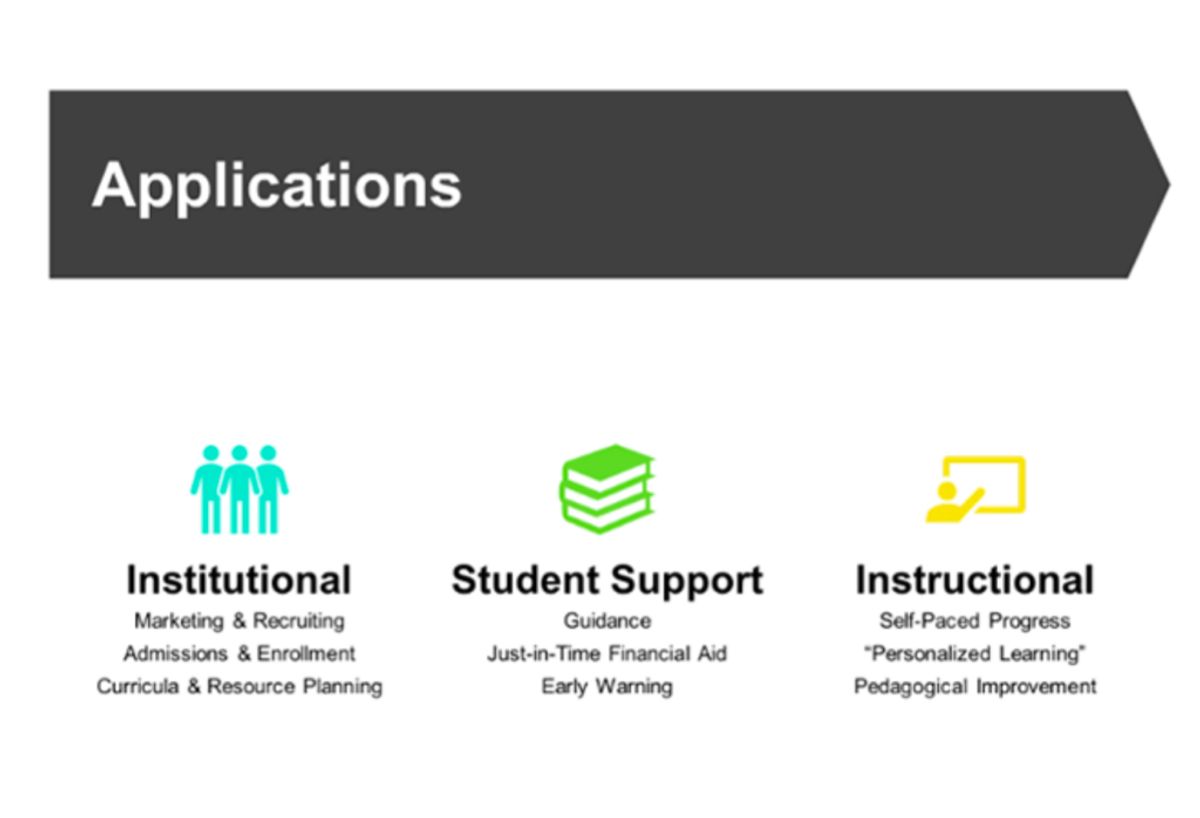
In the realm of education, AI is revolutionizing the way administrative tasks are managed, streamlining processes that have traditionally consumed valuable time. By automating routine tasks, educators are liberated from the shackles of monotonous work, allowing them to invest more in the core mission of teaching and mentoring.
The integration of AI into educational administration is not just a matter of convenience; it's a strategic move towards enhancing the overall learning experience.
Consider the following transformations AI has brought to administrative efficiency:
- Grading assignments: AI algorithms can now assess student work, providing quick and consistent evaluations.
- Organizing course materials: Intelligent systems categorize and manage digital resources, simplifying access for both teachers and students.
- Scheduling classes: AI-driven tools optimize timetables, balancing the needs of the curriculum with the availability of faculty and facilities.
These advancements not only optimize the workflow but also pave the way for a more personalized and engaging educational environment. As we continue to embrace AI, the potential for further innovation in administrative efficiency is boundless. Let's harness the power of AI to create an educational landscape where the focus is on nurturing minds, not managing paperwork. Join us in this transformative journey and witness the evolution of education.
Data-Driven Decision Making for Educators
In the realm of education, the integration of Educational AI Software Development has revolutionized the way educators approach decision-making. By harnessing the power of data analytics, teachers and administrators can now unlock insights that were previously buried in the depths of educational datasets.
The transformative potential of data-driven decision-making lies in its ability to convert raw data into actionable intelligence, fostering a more nuanced understanding of student needs and educational outcomes.
Here's how AI is making a difference:
- Real-time Analytics: AI-powered dashboards provide educators with immediate insights into student performance and engagement, allowing for swift and informed interventions.
- Predictive Systems: Early warning systems utilize predictive analytics to identify at-risk students, enabling preemptive support.
- Seamless Integrations: AI tools can integrate with existing educational systems, enhancing the overall efficiency of the educational ecosystem.
The table below illustrates the impact of data-driven decision-making on various educational aspects:
| Aspect | Impact of Data-Driven AI |
|---|---|
| Student Engagement | Increased through personalized insights |
| Learning Gaps | Identified and addressed promptly |
| Administrative Efficiency | Improved by automating routine tasks |
Embrace the future of education by considering the role of AI in your educational strategy. Let data guide your path to creating more effective and personalized learning experiences. Are you ready to transform your educational approach with the power of AI? Dive into the world of Educational AI Software Development and witness the change.
Enhancing Student Engagement through Customization
In the realm of education, AI for Student Engagement stands as a pivotal force in revolutionizing how students interact with their learning environments. Custom web apps, powered by AI, are not merely tools but partners in the educational journey, offering a level of personalization that was once a distant dream.
The chatbot's interactive nature encourages active participation from students to help maintain their interest.
By leveraging AI, educators can now provide a learning experience that is tailored to the individual needs and preferences of each student. This approach not only acknowledges the unique learning patterns of students but also empowers them to take command of their learning expedition, qualifying them to customize their educational experience to serve their requirements and appeals.
The benefits of such customization are manifold, as outlined below:
- Intuitive user interfaces that resonate with students
- Personalized content that aligns with individual learning styles
- Gamification elements that transform learning into an engaging activity
- Real-time feedback that aids in quick course corrections and support
The result? A surge in user engagement levels, leading to enhanced learning outcomes and a more satisfying educational experience. As an AI developer offering AI services, the potential to enrich education through customization is immense. Embrace the transformative power of AI and witness the elevation of student engagement to unprecedented heights. Don't let this opportunity slip by; the future of education is in your hands.
AI-Driven Innovations in Education App Development

Emerging Trends in EdTech
The digital transformation of education is not just a fleeting trend; it's a comprehensive evolution that's here to stay. Educational app development is at the forefront of this revolution, shaping the way we learn and interact with knowledge. Personalized learning, powered by AI, is no longer a distant dream but a tangible reality that's enhancing the educational journey for learners worldwide.
- Personalized Learning Enhanced by AI: Tailoring the learning experience to individual needs.
- Cognitive Technologies: Reshaping the dynamics of education and learning.
- On-Demand Tutoring Apps: Providing instant access to educational resources and support.
- Gamification: Making learning more engaging through game-like elements.
- AR/VR Integration: Offering immersive experiences that transform traditional learning environments.
With early success, educational institutions are increasingly embracing app-centered approaches. Over 30% of high schools now use mobile apps daily in and outside the classroom.
As we continue to witness the integration of cutting-edge technologies into education, it's clear that the sector is on a distinctive trajectory. The opportunities are limitless, from AI-driven personalization to on-demand tutoring apps. Stay tuned as we unravel the fascinating journey of educational app development, and consider how Professional API integration services starting at $175 could be the key to unlocking these innovations in your institution.
Integrating AR/VR for Immersive Learning Experiences
The educational landscape is undergoing a transformative shift with the advent of AI-Enabled Teaching Tools that leverage Augmented Reality (AR) and Virtual Reality (VR). These technologies are not mere novelties; they are reshaping how we approach learning by providing immersive experiences that traditional methods cannot replicate. Imagine delving into the human body in a biology class or walking through ancient ruins in a history lesson; AR and VR make this possible, enhancing both engagement and understanding.
The synergy of AI with AR and VR in education creates a dynamic learning environment that adapts to the learner's pace and style, offering a personalized educational journey like never before.
Virtual Learning with AI is not just about the wow factor; it's about creating meaningful educational experiences that stick. By integrating these technologies, educators can offer students a chance to explore and interact with content in ways that were once unimaginable. The result is a more tangible grasp of complex concepts and a heightened sense of curiosity.
To truly appreciate the impact of these immersive technologies, consider the following data points:
- 47% of young adults are turning to platforms like TikTok for visual and interactive learning.
- Schools experimenting with VR in history classes have noted increased student engagement and knowledge retention.
As we embrace this new era of education, it's crucial to stay informed and involved. Join the conversation and explore how AI-Enabled Teaching Tools and Virtual Learning with AI can revolutionize your educational approach.
The Role of Machine Learning in Educational Content Delivery
The integration of AI in Educational Technology is revolutionizing the way we approach learning. Machine learning models drive predictive analytics, offering insights for strategic decisions. These models are at the heart of AI-Driven Learning Platforms, analyzing vast amounts of data to personalize the educational journey for each student. The challenges in integration require a deep understanding of technology and a significant investment, but the potential for business growth and enhanced learning outcomes is immense.
AI in Classroom Innovation is not just a buzzword; it's a transformative force. By leveraging machine learning, educators can design curricula that adapt in real-time to the needs of their students. This dynamic approach to AI in Curriculum Design ensures that content is not only relevant but also engaging and effective.
The promise of machine learning in education lies in its ability to make learning a truly individualized experience.
Here's how AI is making a difference:
- Tailoring content to individual learning styles and needs
- Providing real-time feedback and assessments
- Enabling adaptive learning paths that evolve with the learner
As we continue to explore the vast potential of AI in education, we invite you to join the conversation. How can we harness the power of AI to create a more personalized, efficient, and engaging learning environment? Share your thoughts and experiences, and let's shape the future of education together.
Evaluating the Impact of AI on Educational Outcomes
Improving Academic Performance with AI Analytics
The integration of AI for Education Analytics is revolutionizing the way we understand and enhance academic performance. By meticulously analyzing educational data, AI provides actionable insights that empower educators to tailor their teaching strategies to the unique needs of each student.
- Predictive Analysis: AI's predictive capabilities allow for early identification of students at risk, ensuring timely interventions.
- Curriculum Improvement: Data analytics inform curriculum development, pinpointing areas for enhancement.
- Quality Assurance: AI-driven audits uphold high educational standards and compliance.
Embrace AI metrics for strategic growth, optimize marketing ROI with AI analytics, improve customer targeting and personalization for enduring success.
The role of AI in Education Management extends to streamlining administrative processes, thereby freeing educators to focus on teaching and mentorship. The AI Impact on Education is clear: a more personalized, accessible, and efficient learning environment. As we look towards the future, AI for Education Accessibility promises to democratize learning, making quality education available to all. To truly harness the potential of AI in education, we must continue to innovate and adapt, ensuring that the benefits of AI are fully realized in the academic sphere.
Personalized Programs and Their Effectiveness
In the realm of education, the personalization of learning programs has emerged as a cornerstone for enhancing academic outcomes. The integration of AI into these programs has not only made education more accessible but has also allowed for a level of customization previously unattainable. Students now experience a learning environment that adapts in real-time to their individual needs, ensuring that each concept is grasped thoroughly before moving on.
The true measure of personalized learning's success lies in its ability to adapt to the learner, not the other way around.
The effectiveness of personalized programs is evident in the increased engagement and satisfaction reported by students. They are no longer passive recipients of information but active participants in their educational journey. This shift has led to a deeper understanding of subjects and improved academic performance. Moreover, educators are now equipped with tools to track user engagement and provide real-time feedback, creating a dynamic and responsive educational experience.
To truly unlock the potential of personalized learning, it is essential to consider the following points:
- Adaptive Learning Technology: Utilizing platforms like DreamBox or Knewton tailors the learning experience to each student's performance, adjusting the curriculum to fit their unique learning pace and style.
- Engagement and Interest: AI-powered online learning apps not only cater to individual learning needs but also foster a sense of uniqueness among students, leading to better engagement and a deeper interest in their studies.
As we continue to harness the power of AI in education, it is crucial to evaluate the impact of these personalized programs on a larger scale. By doing so, we can ensure that the business potential of AI is fully realized, leading to operational excellence and a sustainable competitive advantage in the educational sector. We invite you to join us in this transformative journey and witness the remarkable difference AI can make in the lives of learners around the world.
AI-Embedded Games: Balancing Fun and Learning
The intersection of artificial intelligence and educational gaming is crafting a new paradigm where fun and learning are seamlessly integrated. AI-embedded games are not just about keeping students entertained; they are about creating a rich, adaptive learning environment that responds to the individual's learning style and pace.
- Engagement-oriented features leverage game mechanics to make learning more interactive.
- Modules support both classroom training and self-education, offering flexibility.
- Testing and assessment tools are integrated to track progress and adapt learning paths.
The true essence of AI in education lies in its ability to tailor experiences to enhance both understanding and retention.
By incorporating elements such as interactive quizzes, puzzles, and flashcards, these games transform traditional learning into an immersive experience. The use of multimedia elements further augments this, making complex concepts more accessible and engaging. The result is a learning environment that not only motivates but also adapts to the unique needs of each student, ensuring that the path to knowledge is as enjoyable as it is informative.
As we continue to explore the potential of AI in education, it's crucial to recognize the value it brings in creating personalized learning experiences. The blend of AI analytics and gamification is not just a trend; it's a testament to the evolving landscape of education. Embrace the change, and let's harness the power of AI to create educational experiences that are both effective and delightful. Join us in this journey and be a part of the revolution that is transforming education.
The Future of AI in Education: Prospects and Challenges
Anticipating the Evolution of AI Applications in Learning
As we stand on the brink of a new era in education, the role of AI is not just transformative; it is foundational to the creation of a learning environment that is as unique as each student. The evolution of AI applications in education is poised to revolutionize the way we learn, teach, and interact with educational content.
The trend towards personalized learning, powered by AI, is not just a fleeting educational fashion but a robust movement gaining unstoppable momentum. Consider the statistics: a significant 53% of individuals are now open to integrating AI into their work, signaling a shift in the perception and acceptance of AI in our daily lives.
- AI algorithms are becoming increasingly sophisticated, capable of tailoring content and recommendations to individual learning habits and performance.
- The technology is set to become more intricate, offering a more customized learning experience through advanced data analysis.
- AI's adaptive capabilities will continue to refine the learning process, dynamically adjusting course content and providing immediate feedback.
The future of AI in education is a tapestry of personalized learning experiences, woven together by adaptive algorithms that cater to individual needs and learning styles.
As we anticipate the future, it is clear that AI will not only enhance the learning experience but also empower educators and learners alike to reach new heights of educational achievement. The integration of AI for data-driven transformation is a testament to its potential to foster continuous improvement and decision accuracy. Let us embrace this journey of educational innovation, where each step forward is a leap towards a more agile and responsive learning ecosystem.
Addressing Ethical Considerations in AI for Education
As we embrace the transformative power of AI in education, we must also confront the ethical dilemmas it presents. Protecting student data privacy is paramount, as the benefits of personalized learning hinge on the sensitive information of learners. Transparent data usage practices are not just a legal formality; they are the cornerstone of trust in educational technology.
The specter of bias in AI algorithms is another concern that demands our vigilance. Ensuring fairness and avoiding discrimination requires continuous oversight and refinement of AI systems. Moreover, the rise of generative AI in education brings to the fore copyright issues, challenging us to find a balance between innovation and intellectual property rights.
We must tread carefully on the path of AI integration in education, upholding ethical standards without stifling the potential for progress.
To navigate these complexities, educators and institutions must engage in ongoing dialogue and develop robust frameworks that address these ethical considerations. Let's commit to a future where AI not only enhances learning but does so with integrity and respect for the rights of all stakeholders.
Preparing for the Next Generation of AI-Enhanced Learning
As we stand on the brink of a new era in education, the integration of AI into learning environments is not just a possibility, but an impending reality. The potential of AI to revolutionize the educational landscape is immense, offering unprecedented personalization and efficiency. To harness this potential, educators and developers alike must anticipate the evolution of AI applications in learning, ensuring they are equipped to meet the demands of tomorrow's learners.
The learning process is improved by these AI-powered features, which eventually raise student engagement and improve online learning results.
The next generation of AI-enhanced learning will be characterized by systems that can recommend pertinent courses and dynamically modify course content according to learners' progress. These intelligent systems will not only provide immediate grading and feedback but also support adaptive learning with a human-like fluency and creativity. As Stas Sorokin, a Pro on Fiverr, demonstrates, expertise in web development and AI applications is crucial for creating these transformative educational tools.
- Anticipate the capabilities of generative AI
- Develop scalable solutions for personalized learning
- Integrate immersive technologies for an engaging learning experience
In preparing for this future, we must address the scalability of AI solutions, ensuring they can serve many students concurrently without compromising the quality of education. The role of AI in making learning more interactive and effective cannot be overstated. As educators and technologists, it is our responsibility to shape an educational system that is not only smarter but also more inclusive and accessible to all. Let us embrace the challenge and lead the charge into a future where AI and education converge to unlock human potential like never before.
Conclusion
The integration of Artificial Intelligence (AI) into custom web applications for education marks a transformative era in the realm of learning and teaching. As evidenced by the trends and real-world applications discussed, AI's capacity to personalize educational experiences, automate routine tasks, and enhance the efficiency of both students and educators is not just a theoretical concept but a tangible reality. The sophistication of AI algorithms and their ability to adapt to individual learning styles promise a future where education is not only more accessible but also more attuned to the unique needs and potentials of each learner. The education industry, by embracing AI, is not only redefining the pedagogical landscape but is also setting a precedent for the seamless fusion of technology and human-centric learning. As we continue to witness the evolution of AI in education, it is clear that the potential for innovation is boundless, with the promise of fostering environments that are more interactive, engaging, and conducive to the flourishing of academic endeavors.
Frequently Asked Questions
How does AI personalize learning experiences in education?
AI personalizes learning experiences by analyzing individual student performance and learning habits to offer tailored content and recommendations. It adapts to each student's unique needs and talents, providing a customized learning path that is efficient and relevant to their goals.
What are some real-world applications of AI in education?
Real-world applications of AI in education include intelligent tutoring systems, adaptive learning platforms, and data-driven decision-making tools for educators. Companies like Google are at the forefront, creating user-friendly AI-based EdTech applications that cater to individual learning styles.
How is AI transforming the role of educators?
AI is automating routine administrative tasks, enabling educators to focus on teaching. It also provides data-driven insights that help teachers track student progress, identify trends, and tailor their instructional approaches to enhance student engagement and learning outcomes.
What emerging trends are shaping education app development?
Emerging trends in education app development include the integration of AI for personalized learning, the use of AR/VR for immersive experiences, and the application of machine learning for dynamic content delivery. These trends are driven by the need for more interactive and customized educational tools.
What impact does AI have on students' academic performance?
AI has a positive impact on academic performance by providing personalized learning experiences and adaptive assessments. It helps students understand concepts more deeply and improves proficiency by offering targeted interventions and real-time feedback.
What are the ethical considerations in AI for education?
Ethical considerations in AI for education include data privacy, bias in algorithms, and equitable access to AI-enhanced learning tools. It's important to address these issues to ensure that AI is used responsibly and benefits all students fairly.


Comments
Post a Comment