Integrating AI in Custom Web Apps for Education: A Game-Changer for Personalized Learning

The educational landscape is undergoing a significant transformation with the integration of artificial intelligence (AI) into custom web applications. This integration is a game-changer for personalized learning, offering unprecedented opportunities for customization, efficiency, and engagement. By leveraging AI, educators can create learning experiences that are tailored to the individual needs of students, automate administrative tasks, and foster interactive and engaging educational environments.
Key Takeaways
- AI in education is transforming learning experiences by enabling the creation of adaptive learning systems that personalize content and support based on individual student data and behavior.
- Intelligent tutoring systems and learning analytics are pivotal in providing customized, individualized instruction, helping to close learning gaps and cater to diverse learning styles.
- The integration of AI in administrative tasks within educational institutions enhances efficiency and decision-making, allowing educators to focus more on teaching and student engagement.
- AI-driven storytelling and intelligent platforms are revolutionizing the way content is delivered, making learning more dynamic, interactive, and collaborative.
- While AI presents numerous benefits for personalized learning, it is crucial to address challenges related to data privacy, security, equity, and inclusivity to ensure ethical implementation.
The Emergence of AI in Educational Technology

Defining Artificial Intelligence in the Context of Education
At the heart of the transformative wave in educational technology lies Artificial Intelligence (AI), a term that encapsulates the simulation of human intelligence processes by machines, especially computer systems. These processes include learning, reasoning, and self-correction. AI in education signifies more than just a technological upgrade; it represents a paradigm shift in personalized and adaptive learning.
In the context of education, AI can be categorized broadly into:
- Machine Learning: Algorithms that learn from data to improve their performance over time without explicit programming.
- Natural Language Processing (NLP): Systems that understand and interpret human language, enabling AI to provide feedback or interact with learners.
- Expert Systems: AI that applies reasoning capabilities to reach conclusions, often used in intelligent tutoring systems.
Embracing AI in education is not merely about harnessing new tools; it's about rethinking the entire educational landscape to foster a more engaging and effective learning environment.
The integration of AI into education is not just a fleeting trend but a cornerstone for future learning ecosystems. As educators and technologists, we must delve into the intricacies of AI applications to unlock their full potential for enhancing educational outcomes. Let's embark on this journey together, exploring how AI can be tailored to the unique needs of each learner, and in doing so, revolutionize the educational experience. Stay tuned as we delve deeper into the applications and impacts of AI in education.
Categorizing AI Applications in Learning Environments
The landscape of AI in Educational Technology is as diverse as it is transformative. Educational AI Software Development has paved the way for a variety of applications that are revolutionizing how we approach learning and teaching. Let's delve into the categories that define this exciting field:
- Machine Learning: At the heart of personalized education, machine learning algorithms sift through data to uncover insights, tailoring learning experiences to individual needs.
- Adaptive Learning Systems: These systems dynamically adjust content and assessments to fit the learner's pace and proficiency, ensuring that each student's path is unique and effective.
- Virtual Assistants: Always on hand, these AI companions offer support, answer queries, and facilitate a more interactive learning environment.
Embracing AI in education is not just about keeping up with technology; it's about redefining the educational landscape to be more inclusive, efficient, and engaging. It's about creating a future where every learner's potential can be fully realized.
As we categorize and implement these AI-driven tools, we must also consider the ethical dimensions they bring to the fore. Ethical AI in business, including education, demands transparency, accountability, fairness, and privacy. By leveraging AI for strategic advantage, we address the skills gap in AI expertise and embrace change for a competitive edge. The future of education is here, and it's personalized, adaptive, and intelligent. Are you ready to be a part of it?
Evaluating the Impact of AI on Educational Outcomes
The AI Impact on Education is not just a fleeting trend; it's a transformative force reshaping the educational landscape. AI revolutionizes software development with enhanced requirements analysis, design tools, testing automation, and code optimization, boosting efficiency and quality across the lifecycle. This technological leap is not confined to the backend of educational platforms but extends to the very heart of learning experiences.
The effectiveness of AI-powered educational interventions must be rigorously evaluated to ensure their impact on student learning outcomes.
AI's potential to democratize education is profound, offering global reach and impact that can bridge educational disparities. However, the promise of AI for equity and inclusion hinges on our ability to address ethical considerations and prevent the amplification of preexisting prejudices. Fairness, accountability, and transparency in AI applications are paramount to achieving truly transformative educational outcomes.
- Rigorous empirical studies and efficacy trials
- Collaborative efforts for credible and relevant AI solutions
- Ethical AI and responsible innovation
As we navigate this new era, it is crucial for educators, developers, and policymakers to collaborate, ensuring that AI's integration into education is both effective and ethical. Let's embrace the AI revolution in education, not as passive observers, but as active participants shaping a future where personalized learning is not just a possibility, but a reality for all.
Personalized Learning Through AI-Driven Adaptation
Tailoring Educational Content with Adaptive Learning Systems
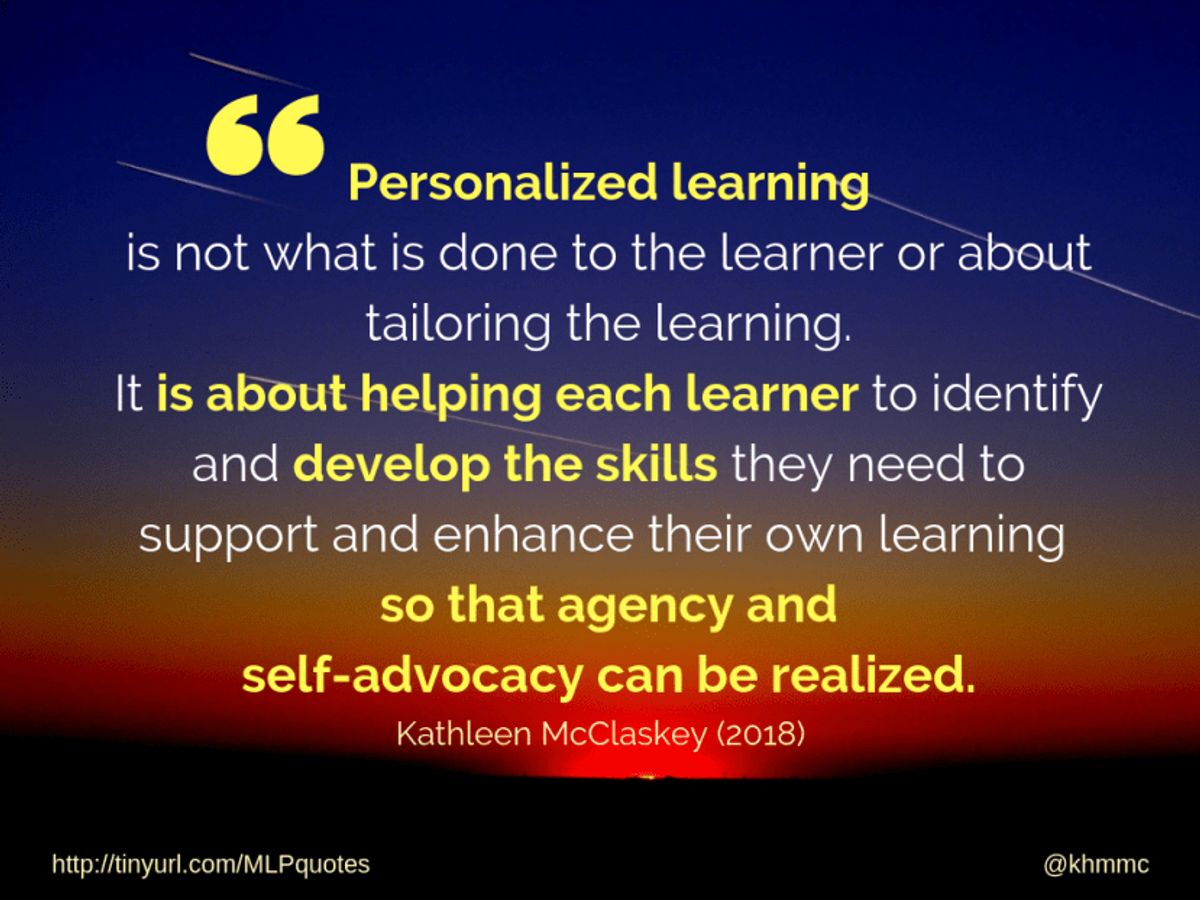
Imagine a classroom where every student receives a unique, tailored educational experience, meticulously crafted to their individual learning style, pace, and preferences. AI Adaptive Learning Systems are making this a reality, transforming the traditional one-size-fits-all approach into a dynamic, personalized journey. These systems leverage the power of artificial intelligence to analyze student interactions and adapt content in real-time, ensuring that each learner is both challenged and supported at their level.
By harnessing the capabilities of AI Adaptive Learning Systems, educators can create a learning environment that not only identifies and addresses individual learning gaps but also promotes equity by providing targeted support to students who need it most.
Here's how AI Adaptive Learning Systems are revolutionizing education:
- They adjust the difficulty, pace, and content type based on real-time performance data.
- They integrate with intelligent tutoring systems to offer immediate feedback and guidance.
- They recommend resources that align with each student's unique interests and learning needs.
The result? A more engaging, effective, and inclusive educational experience for all. As we continue to explore the vast potential of AI in education, it's clear that adaptive learning systems are a cornerstone of personalized learning. Don't miss out on the opportunity to be at the forefront of this educational revolution. Embrace AI Adaptive Learning Systems and witness the transformation in your educational approach.
Utilizing Learning Analytics for Customized Student Support
In the realm of education, Personalized Learning AI Solutions are transforming the landscape, offering unprecedented support to both students and educators. Learning analytics, a cornerstone of these solutions, harnesses the power of AI to dissect and interpret vast educational datasets. This analysis yields deep insights into student interactions, performance metrics, and learning outcomes, enabling a level of customization in learning that was once a mere fantasy.
- Predictive Analytics: Essential for forecasting student success and pinpointing learners in need of extra attention.
- Adaptive Learning: Dynamically adjusts content and instruction in real-time, based on individual student data.
- Formative Assessment: Offers immediate feedback, crucial for guiding the learning journey and improving instructional methods.
By leveraging learning analytics, educators can craft a learning environment that is not only more responsive but also more nurturing, ensuring that every student's educational journey is as effective as it is engaging.
The integration of big data and analytics into educational platforms is not just an enhancement; it's a revolution. It empowers educators to make informed decisions, personalize instruction, and ultimately, foster an educational experience that resonates with each learner's unique needs. As we embrace these AI-powered analytics, we witness a paradigm shift in how education is delivered and experienced. The revolutionize SaaS growth, predictive analytics, and customer experience optimization. Strategic AI integration is key for competitive advantage and business growth in the digital marketplace. Embrace the change, and be part of the movement that is reshaping the future of education.
The Role of Intelligent Tutoring Systems in Individualized Instruction
In the realm of educational technology, AI-Assisted Tutoring Systems stand out as pivotal tools for individualized instruction. These systems are designed to emulate the nuanced guidance of human tutors, dynamically adjusting to each student's unique learning trajectory. By analyzing performance data, they provide immediate feedback, tailored scaffolding, and personalized learning experiences that are essential for student success.
The customization of AI solutions in education is not just an added feature; it is the cornerstone of a competitive edge. Tailoring AI-Assisted Tutoring Systems to meet the distinct needs of learners leads to unparalleled innovation and success in the realm of personalized education.
Intelligent Tutoring Systems (ITS) are composed of several key components that work in concert to optimize the learning process. These include a student model that gauges the learner's current understanding, a knowledge model that represents the subject matter, and a tutoring model that dictates the instructional strategy. The interplay of these components ensures that each student receives the right challenge at the right time, fostering a deep and lasting understanding of the material.
- Immediate feedback and direction
- Adaptive modification of instructional material
- Scaffolding tailored to individual performance
By integrating these systems into the educational landscape, we empower educators to focus on the art of teaching while the technology handles the science of learning. As we continue to harness the potential of AI in education, the horizon of personalized learning expands, promising a future where every student's educational journey is as unique as they are. Embrace the change, and let AI-Assisted Tutoring Systems transform the way we educate.
AI-Enhanced Administrative Efficiency in Education

Automating Routine Tasks with AI to Support Educators
Imagine a world where the tedious and time-consuming administrative tasks are lifted from the shoulders of our educators. Artificial Intelligence (AI) is revolutionizing the educational landscape by automating routine tasks, allowing teachers to reclaim their time and refocus on what truly matters: teaching and mentoring students.
- Grading assignments: AI systems can quickly assess and provide feedback on student work, ensuring timely and consistent results.
- Attendance tracking: With AI, attendance can be monitored automatically, reducing errors and saving precious class time.
- Course scheduling: Intelligent algorithms optimize class schedules, accommodating various constraints with ease.
By embracing AI, educators can dedicate more of their valuable time to professional development and fostering deeper connections with their students. The ripple effect of this change is profound, as it not only enhances the quality of education but also supports the well-being of teachers.
The integration of AI in education is not just a fleeting trend; it's a strategic move towards a more efficient and effective educational system. As we continue to explore the potential of AI, let us commit to supporting our educators with the tools they need to thrive in this new era. Dive into the world of AI in education and witness the transformation firsthand. Your journey towards an enlightened educational experience begins now.
Improving Institutional Decision-Making with Data Analytics
In the realm of education, AI for Education Analytics is not just a buzzword; it's a transformative force. By harnessing the power of AI-driven analytics, institutions can unlock a treasure trove of insights from the vast data they collect. This revolution in data interpretation leads to more informed decisions that can dramatically improve educational outcomes.
The integration of big data and analytics into educational systems allows for a nuanced understanding of student performance and the effectiveness of teaching strategies.
Here's how AI-driven analytics can be applied to enhance decision-making:
- Utilizing big data to uncover deep insights into student learning patterns.
- Predicting which students may need additional support, enabling proactive intervention.
- Optimizing curricula based on data-driven insights to meet the evolving needs of students.
The potential of AI to accelerate growth and strategic integration within educational institutions is immense. As we continue to explore the capabilities of AI in education, we invite you to join the conversation and discover how these technologies can shape the future of learning. Engage with us, share your experiences, and be part of the AI-driven analytics revolution.
Streamlining Communication and Management with Intelligent Systems
The integration of AI in Education Management is transforming the landscape of communication and administrative tasks. Intelligent systems are now capable of automating routine processes, allowing educators and administrators to focus on more strategic initiatives. These AI-driven platforms facilitate a more seamless flow of information, reducing the likelihood of human error and enhancing overall efficiency.
- Automated scheduling ensures that meetings and deadlines are managed with precision.
- AI-powered analytics provide insights into institutional performance, driving informed decision-making.
- Intelligent chatbots like Kommunicate and Rolemodel.AI offer instant support, addressing queries with remarkable accuracy.
By embracing AI, educational institutions can significantly reduce administrative burdens and improve the quality of interactions between staff, students, and parents.
The promise of AI in streamlining education management is not just a futuristic vision—it's a present-day reality. As we witness the AI revolutionizes manufacturing with predictive maintenance, similar strategies can be applied in education. Building AI literacy, adapting to real-time data, and leveraging predictive analytics can lead to sustainable competitive advantages. It's time to explore how AI can redefine your institution's approach to management and communication.
Interactive and Engaging Learning Experiences via AI

Incorporating AI-Powered Tools for Enhanced Student Engagement
The integration of AI in Classroom Innovation is transforming the educational landscape, making learning more interactive and personalized than ever before. AI-Enabled Teaching Tools are not just futuristic concepts but are currently enhancing the way educators engage with their students. These tools are designed to captivate learners, fostering an environment where curiosity thrives and knowledge is absorbed more effectively.
AI for Student Engagement goes beyond mere participation. It leverages data to understand each student's unique learning journey, adapting in real-time to provide a tailored educational experience. Imagine a classroom where AI in Curriculum Design plays a pivotal role, ensuring that the content resonates with every student's needs and learning pace.
- Use adaptive algorithms to adjust the difficulty, pace, and content type based on the learner’s performance.
- Blend intelligent tutoring systems that provide real-time feedback and support to students.
- Use AI-powered systems to suggest educational resources tailored to each student’s interests, learning styles, and aptitude.
By harnessing the power of AI, educators can create a dynamic learning environment that is not only efficient but also deeply engaging. This is the future of education, and it is here to stay.
As we continue to explore the vast potential of AI in education, let us not forget the importance of responsible innovation. It is crucial to ensure that these advancements are accessible to all, promoting an inclusive and equitable learning experience. Join us in this journey to redefine education through AI, and witness how it revolutionizes personalized learning for students around the globe.
Developing Dynamic Content with AI-Driven Storytelling
In the realm of education, AI-driven storytelling is not just a buzzword; it's a transformative approach that brings curriculum to life. By leveraging AI, educators can craft dynamic content that adapts to the learning styles and paces of individual students, ensuring that each learner receives a tailored educational experience.
- AI app tools manage dynamic content updates, providing fresh, relevant material.
- Personalized content delivery is based on user preferences and behavior patterns.
- AI-driven analytics enable targeted updates and marketing campaigns.
The true power of AI in education lies in its ability to create a personalized learning journey for every student.
AI-driven analytics revolutionize the educational landscape, fostering an environment where personalized experiences become the norm. This not only enhances student engagement but also paves the way for deeper understanding and retention of knowledge. As we embrace this technology, we must ensure that it serves as a tool for empowerment, offering every learner a voice and a path that resonates with their unique story.
Fostering Collaborative Learning with Intelligent Platforms
The advent of AI-Driven Learning Platforms has opened up unprecedented opportunities for collaborative learning. These platforms are not just tools for virtual learning; they are catalysts for a new era of Virtual Learning with AI, where students from diverse backgrounds can come together to solve problems, share insights, and build knowledge collectively. AI-driven platforms are transforming the solitary learning experience into a dynamic, community-driven journey.
By leveraging the power of AI, these platforms can intelligently group students based on their learning styles, progress, and interests, facilitating a more effective and engaging collaborative environment.
The benefits of such intelligent systems are manifold:
- They promote a sense of community and shared purpose among learners.
- AI algorithms can identify and match complementary skill sets, enhancing the collaborative process.
- Real-time feedback and analytics support continuous improvement and personalized learning paths.
As educators and developers, we must embrace these technologies to foster environments that not only educate but also inspire. The call to action is clear: integrate AI-Driven Learning Platforms into your educational framework and witness the transformation in student engagement and collaborative success. Let's not just adapt to the future of education; let's shape it together.
Addressing Challenges and Ethical Considerations of AI in Education
Navigating the Complexities of Data Privacy and Security
In the digital age, where data is as valuable as currency, the integration of AI in education brings to the forefront the critical issue of data privacy and security. Educational institutions are entrusted with a wealth of sensitive information, and the deployment of AI systems necessitates stringent safeguards to protect this data. Compliance with regulations such as GDPR and FERPA is not merely a legal formality; it is a commitment to the ethical stewardship of student information.
The adaptive nature of AI can be a powerful ally in maintaining compliance, offering mechanisms for easy data management and consent, as well as ensuring the right-to-be-forgotten is respected.
Ensuring the integrity and confidentiality of data goes beyond compliance; it involves implementing robust encryption methods, stringent access controls, and comprehensive audit trails. These measures collectively form a bulwark against unauthorized access and data breaches, fostering trust in AI applications.
- Encryption: Shields data from prying eyes, making it unreadable to unauthorized parties.
- Access Controls: Restricts data access to authorized personnel, minimizing the risk of data misuse.
- Audit Trails: Provides a transparent account of data usage, ensuring accountability.
As we delve deeper into the era of personalized learning, let us not overlook the importance of securing the very data that makes personalization possible. It is imperative that we, as educators, developers, and policymakers, prioritize the protection of our learners' data. By doing so, we not only comply with legal requirements but also uphold the trust placed in us by students and their families. Remember, safeguarding data is not just about avoiding penalties; it's about preserving the dignity and privacy of every learner.
For those seeking to integrate AI into their educational platforms, professional API integration services are available starting at $175, specializing in various API integrations and languages, and providing ongoing support, security, scalability, and high-volume data handling.
Ensuring Equity and Inclusivity in AI-Enabled Learning
In the realm of education, AI for Education Accessibility stands as a beacon of hope for leveling the playing field. However, the integration of AI into learning environments must be navigated with a keen awareness of equity and inclusivity. The potential of AI to either bridge or widen the gap in educational opportunities is a pressing concern that requires deliberate action.
The transformative power of AI in education hinges on our collective commitment to equity and inclusivity.
To ensure that AI benefits all students, it is imperative to address the disparities in access and opportunity that may arise. Here are some key strategies to consider:
- Conducting thorough assessments of AI tools to identify and mitigate potential biases.
- Engaging diverse stakeholders in the development and implementation of AI solutions.
- Providing equitable access to technology and resources for all students.
While AI presents significant ethical questions about prejudice and fairness, it also offers unparalleled opportunities to advance diversity and inclusion. Educational leaders must prioritize fairness, accountability, and transparency in the development, use, and assessment of AI-powered solutions. The Bles Software website discusses these emerging technologies, emphasizing efficiency and quality in software development—a conversation that is equally relevant in the educational sphere.
As we anticipate the future of education, let us not only embrace AI but also champion the cause of equity and inclusivity. Join the conversation, share your insights, and be a part of the movement towards a more equitable educational landscape.
Anticipating Future Trends and Ethical Implications of AI in Education
As we stand on the brink of a new era in educational technology, the ethical landscape of AI in education is as critical as its innovative potential. The future beckons with promises of AI systems that not only enhance learning outcomes but also challenge our understanding of fairness, privacy, and inclusivity.
The integration of AI in education demands a proactive approach to ethical considerations, ensuring that the benefits of personalized learning are accessible to all without compromising the values we hold dear.
The following points highlight key areas of focus:
- Algorithmic Bias: Ensuring AI systems do not perpetuate existing inequalities.
- Data Privacy: Safeguarding the sensitive information of learners.
- Inclusive Access: Providing equitable AI tools for diverse learning communities.
- Teacher Empowerment: Preparing educators to harness AI responsibly.
As we navigate these uncharted waters, it is imperative that stakeholders—educators, developers, policymakers, and students—collaborate to shape an AI-augmented educational landscape that is ethical, equitable, and truly transformative. Your voice is crucial in this journey. Join the conversation and help steer the future of education towards a horizon that values every learner. Let's embrace the challenge and turn AI into an ally for a brighter educational tomorrow.
Conclusion
The integration of Artificial Intelligence (AI) in custom web applications for education marks a significant shift towards a more personalized and effective learning paradigm. As we have explored, AI's capacity to tailor educational content and experiences to individual learners' needs, automate administrative tasks, and create dynamic, engaging learning environments is revolutionizing the educational landscape. The potential of AI to enhance personalized learning, support educators, and address issues of equity and inclusion is immense. However, the journey towards fully realizing this potential is accompanied by challenges that require careful consideration, such as ensuring data privacy and overcoming technological barriers. As AI continues to evolve, its symbiotic relationship with education promises to yield innovative solutions that will shape the future of learning for students and educators alike.
Frequently Asked Questions
How is AI transforming personalized learning in education?
AI is revolutionizing personalized learning by using adaptive learning systems to tailor instructional content, pace, and feedback to individual student needs. By analyzing student data, AI identifies learning preferences and gaps, offering targeted interventions and customizing material in real time, which enhances understanding and concept mastery.
What are the key applications of AI in educational environments?
Key applications of AI in education include adaptive learning systems for personalized instruction, learning analytics for detailed student insights, intelligent tutoring systems for individualized support, automation of routine tasks, data-driven decision-making for institutions, and AI-powered tools for interactive learning experiences.
Can AI help in automating administrative tasks in educational institutions?
Yes, AI can significantly automate administrative tasks in educational settings, such as grading, attendance tracking, and scheduling. This automation supports educators by reducing their workload and allowing them to focus more on teaching and student engagement.
How does AI enhance student engagement in learning?
AI enhances student engagement by incorporating interactive tools, such as AI-driven storytelling and dynamic content creation, which make learning more captivating. AI also fosters collaborative learning through intelligent platforms that adapt to student interactions.
What are the ethical considerations when integrating AI in education?
Ethical considerations include ensuring data privacy and security, maintaining equity and inclusivity in AI-enabled learning environments, and addressing the potential biases in AI algorithms. It's crucial to anticipate and manage these issues to ensure ethical use of AI in education.
What future trends can we expect with the integration of AI in education?
Future trends in AI integration in education may involve advanced personalization through natural language processing and emotional computing, enhanced effectiveness of customized learning solutions, and greater interactivity. The synergy of AI with other technologies will continue to evolve, offering more sophisticated educational tools.


Comments
Post a Comment