How AI-Powered Web Applications are Revolutionizing Personalized Education
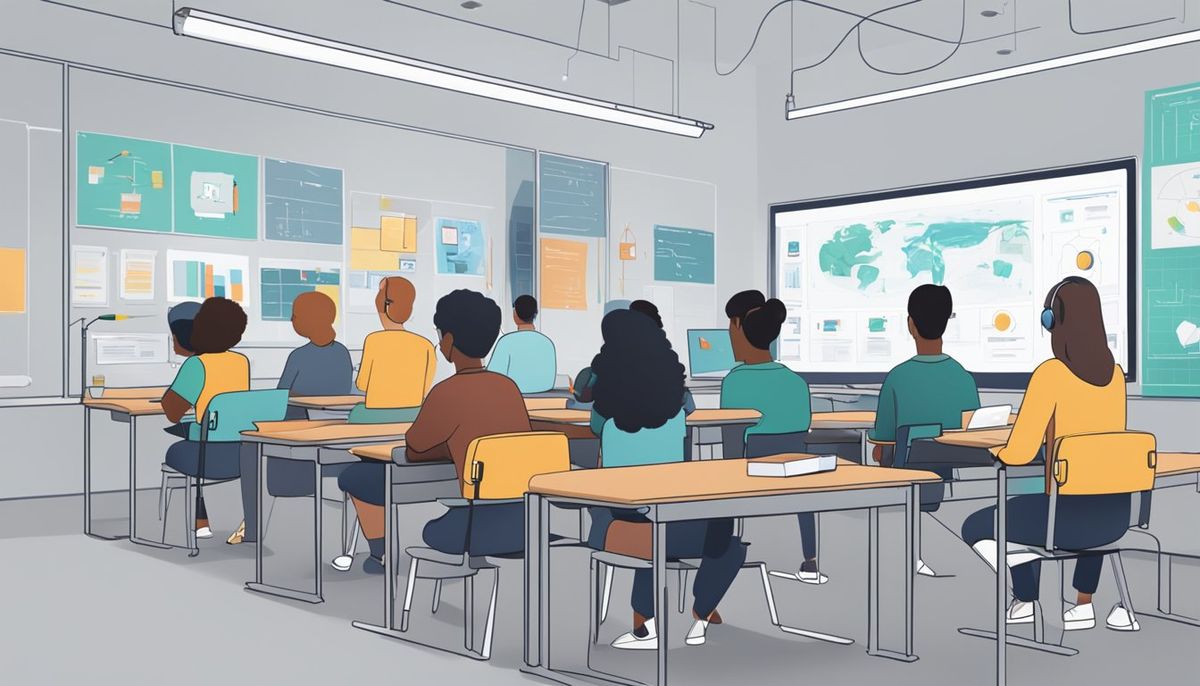
Education is experiencing a significant shift with the advent of Artificial Intelligence (AI), particularly through the creation of personalized learning pathways. These AI-driven tools adapt educational materials to individual learning styles and paces, offering a tailored experience that caters to each student's unique needs. This article delves into how AI-powered web applications are not only making personalized education a reality but are also revolutionizing the sector by enhancing engagement, streamlining administrative tasks, and providing real-time support.
Key Takeaways
- AI-driven personalized learning pathways are revolutionizing education by catering to individual student needs and learning styles.
- AI algorithms in web applications are enabling adaptive learning systems that monitor student progress and tailor content accordingly.
- AI is transforming educational administration by automating routine tasks and facilitating data-driven decision-making.
- Virtual tutors powered by AI are providing real-time academic support, integrating seamlessly into various learning environments.
- AI-powered assessment and feedback mechanisms are offering instant, personalized feedback and paving the way for predictive analytics in education.
The Emergence of AI-Driven Personalized Learning Pathways
Tailoring Educational Content to Individual Learning Styles
In the realm of education, Personalized Learning AI Solutions are leading a transformative shift away from the 'one-size-fits-all' approach. These solutions are adept at recognizing and adapting to the unique learning styles of each student, ensuring that every learner receives content that resonates with their individual needs and preferences.
The key to this personalization lies in the AI's ability to analyze a multitude of data points, from academic performance to engagement levels. This analysis not only identifies students who may be at risk but also pinpoints their strengths and weaknesses. With this insight, AI can tailor educational content and pacing, leading to a more effective and engaging learning experience.
By harnessing the power of AI, educators can create a learning environment that is not only more inclusive but also more conducive to fostering deep understanding and retention of knowledge.
Consider the following key features of personalized learning:
- Customized Learning Objectives: Goals are set to match individual student aspirations and abilities.
- Adaptive Learning Materials: Resources evolve in real-time to suit the learner's proficiency level.
- Flexible Pacing: Students are empowered to master topics at their own pace before advancing.
The integration of AI into education is not just about technology; it's about reimagining the learning journey to be as unique as each student. Embrace the future of education with AI-powered personalization and witness the unfolding of each student's full potential.
Monitoring Student Progress with Adaptive Algorithms
In the realm of education, the power of AI to monitor and adapt to student progress is nothing short of transformative. Continuous assessment of student progress is now a reality, with AI systems meticulously tracking each learner's journey. These intelligent platforms are not just passive observers; they actively engage by identifying learning patterns and potential difficulties, ensuring that no student is left behind.
The adaptability of AI-powered platforms ensures that the learning experience is always aligned with the student's current needs and capabilities.
This proactive approach to education is crucial. For example, when a student encounters a stumbling block in understanding a concept, AI algorithms spring into action. They don't just flag the issue; they delve into the underlying causes, be it a gap in foundational knowledge or a mismatch with the student's learning style. With this insight, the system can provide personalized interventions:
- Additional explanations to clarify concepts
- Practice exercises to reinforce learning
- Multimedia resources to cater to different learning preferences
These real-time adjustments and dynamic resource suggestions are not just about remediation; they're about elevating the entire learning experience. By personalizing feedback and adjusting difficulty levels, AI ensures that each student is both challenged and supported, enhancing engagement and motivation.
The Bles Software website offers insights on leveraging AI for scalable growth in businesses, from startup to enterprise, with articles on AI strategies, SaaS innovation, and automation in software development. Dive into the world of AI in education and discover how it can revolutionize your approach to learning. Embrace the future of education and join the movement towards a more personalized, effective learning environment.
Enhancing Student Engagement Through Customized Challenges
In the realm of education, AI-powered applications are not just transforming learning environments; they are redefining the very nature of student engagement. Customized challenges, designed by intelligent systems, are pivotal in making the learning journey not only informative but also incredibly captivating. These challenges are meticulously crafted to align with individual interests, ensuring that each student feels a personal connection to the material.
- Real-time adjustments to difficulty levels keep students in a state of 'flow', perfectly balancing challenge and skill.
- Dynamic suggestions of resources bridge learning gaps, turning obstacles into opportunities for growth.
- Recognition of achievements is personalized, fostering a sense of accomplishment and progress.
By integrating AI into the educational framework, we create a learning ecosystem that adapts in real-time, providing a unique and interactive experience for every learner. This approach not only enhances knowledge acquisition but also ignites a passion for learning that can last a lifetime.
The future of education hinges on our ability to engage students on a deeply personal level. AI's role in crafting these customized challenges is indispensable, offering a pathway to an education that is not only more effective but also more enjoyable. As we continue to explore the vast potential of AI in education, let us commit to creating learning experiences that are not just educational but truly transformative. Embrace the change, and join us on this exhilarating journey towards a brighter educational future.
The Impact of AI on Educational Administration
Automating Routine Tasks to Maximize Teaching Time
In the digital age, the role of educators is evolving rapidly, with AI becoming a pivotal ally in the transformation of educational administration. By automating routine tasks, AI is not only enhancing administrative efficiency but also redefining the educator's role to emphasize mentorship and personalized instruction.
- AUTOMATION OF TASKS
Artificial intelligence (AI) improves efficiency in education by simplifying numerous processes in virtual and traditional classrooms. AI solutions cater to a range of administrative duties, from grading tests and checking homework to organizing research papers and creating presentations. By automating these processes, AI optimizes the learning environment, allowing educators to focus more on personalized teaching methods.
By harnessing AI to create and deliver educational content, educators can focus more on facilitating meaningful learning experiences and fostering critical thinking skills in students.
Imagine a world where educators are liberated from the shackles of administrative drudgery, empowered to cultivate a more engaging and interactive classroom. This is not a distant dream but a tangible reality made possible by AI. As we embrace this technological revolution, let us not forget the human element that remains at the heart of education. The time saved by AI is a gift, one that educators can invest in nurturing the minds and spirits of their students, fostering personal and professional growth.
Data-Driven Decision Making in School Management
In the realm of education, the integration of AI in Education Management is not just a futuristic concept but a present-day reality that is reshaping the very fabric of how schools operate. Data-driven decision-making, powered by AI, is enabling administrators to optimize operations and enhance the educational experience.
The transformative power of AI-driven efficiency and strategic decision-making is not limited to the corporate world. In the educational sector, these capabilities are revolutionizing the way schools manage resources, plan curricula, and ultimately, shape the futures of their students.
By harnessing the insights gleaned from AI analytics, educators can now monitor student progress with unprecedented precision, identify areas for improvement, and implement targeted interventions. This proactive approach to school management is not only about maintaining standards but also about pushing the boundaries of what is possible in education.
- AI-driven efficiency: Streamlining administrative processes
- Strategic decision-making: Enhancing resource allocation
- Innovation in education: Fostering a culture of continuous improvement
The call to action is clear: embrace the potential of AI to transform education management. By doing so, schools can unlock new levels of personalized learning and set a new standard for academic excellence. Are you ready to be part of this educational revolution?
AI as a Tool for Resource Allocation and Curriculum Planning
The integration of AI in Curriculum Design is not just a futuristic concept; it's a present-day reality that is reshaping the educational landscape. AI's ability to analyze vast amounts of data and predict learning outcomes has made it an invaluable asset in curriculum planning. By understanding student performance and preferences, AI can help educators create a more dynamic and responsive curriculum that aligns with the needs of each learner.
AI's predictive analytics are instrumental in identifying the resources necessary for different areas of study, ensuring that each student has access to the tools they need to succeed.
Furthermore, AI's role in resource allocation is pivotal. It ensures that educational materials and teacher attention are distributed efficiently, maximizing the impact of educational programs. This not only enhances the learning experience but also optimizes the use of school funds and resources.
To truly appreciate the power of AI in transforming education, consider the following points:
- AI algorithms can swiftly adapt curriculum content to suit diverse learning styles.
- Real-time data analysis helps in the timely identification of areas where students require additional support.
- Strategic resource allocation driven by AI ensures that no student is left behind due to a lack of access to necessary educational tools.
Embrace the change and witness how AI in Curriculum Design can revolutionize your educational approach. Let's prepare our students for a world where technology and education merge to create unparalleled learning experiences. Dive into the AI-driven educational paradigm and be part of the revolution!
Virtual Tutors and the Personalization of Instruction

The Role of AI in Offering Real-Time Academic Support
In the realm of education, Virtual Learning with AI is not just a buzzword; it's a transformative force. AI-driven innovations such as chatbots and virtual assistants are providing immediate academic support and emotional assistance, reshaping student support services. Through real-time engagement, these AI-powered tools foster learning environments that lead to improved academic performance.
By utilizing AI technology to increase the effectiveness and accessibility of student support services, educational institutions can raise the quality of their offerings.
AI doesn't just support students; it revolutionizes the role of educators. Universities, grappling with the challenge of supporting diverse student populations, find in AI a scalable solution. Here's how AI is making a difference:
- Automatically providing personalized feedback on assignments, allowing for more individual mentoring.
- Enhancing understanding and engagement through instant feedback and assistance from virtual tutors.
- Adapting to individual learning styles, offering continuous feedback and fostering collaborative learning experiences.
As technology advances, virtual tutors will play an increasingly integral role in shaping the future of education. They provide students with the tools and resources needed to succeed in a rapidly evolving world. Embrace the change, and witness how AI empowers not just businesses but also educational institutions with real-time data analysis, predictive modeling, and personalized services.
Integrating Virtual Tutors into Traditional and Online Classrooms
The integration of virtual tutors into educational environments marks a significant leap towards a more personalized and effective learning experience. Virtual tutors, powered by AI, are not just supplementary tools but pivotal elements in the modern classroom, bridging gaps between teacher-led instruction and individual student needs. These AI-driven assistants adapt to various learning styles, ensuring that each student receives content in the most conducive format for their personal growth.
- Virtual tutors provide visual aids for visual learners and auditory explanations for auditory learners.
- They facilitate collaborative learning experiences, connecting students with peers for group discussions and projects.
- Continuous assessment and feedback are enabled by tracking students' progress over time.
The seamless integration of virtual tutors into both traditional and online classrooms has the potential to transform the educational landscape, offering unprecedented levels of support and customization.
As we witness the evolution of education through AI, it's crucial to recognize the value of these virtual mentors. They not only support the academic journey but also encourage a community of learners who thrive on mutual support and shared knowledge. Embrace the change, explore the possibilities, and join the revolution in personalized education. Your future self will thank you.
Evaluating the Effectiveness of AI-Assisted Tutoring
The advent of AI-Assisted Tutoring Systems has sparked a transformative shift in the educational landscape. These systems, equipped with the capability to adapt to individual learning curves, have shown promising results in enhancing student outcomes. By offering real-time feedback and personalized support, they empower students to reach their full potential.
The effectiveness of AI-Assisted Tutoring is not just anecdotal; it is backed by data. Students receiving targeted support from these systems often exhibit a deeper understanding of complex concepts, as they benefit from instant feedback and interventions tailored to their specific needs. This individualized attention is crucial in fostering not only academic success but also a lifelong love for learning.
The true measure of these tutoring systems lies in their ability to provide constant, accessible support. Imagine the empowerment of a student receiving immediate guidance on a perplexing problem at any hour, without the constraints of traditional tutoring availability.
To truly grasp the impact of AI-Assisted Tutoring, consider the following points:
- AI tutors are available 24/7, offering flexibility and support beyond conventional tutoring hours.
- These systems adapt to the student's pace, providing challenges appropriate to their level of mastery.
- Real-time feedback ensures that students can immediately correct misunderstandings, reinforcing learning as it happens.
As we continue to evaluate the effectiveness of these systems, it is essential to consider not only their academic benefits but also their role in promoting independent learning and confidence among students. The potential for AI-Assisted Tutoring to revolutionize education is immense, and its continued development promises to unlock new horizons for personalized learning.
AI-Powered Assessment and Feedback Mechanisms
Revolutionizing Grading with Intelligent Evaluation Systems
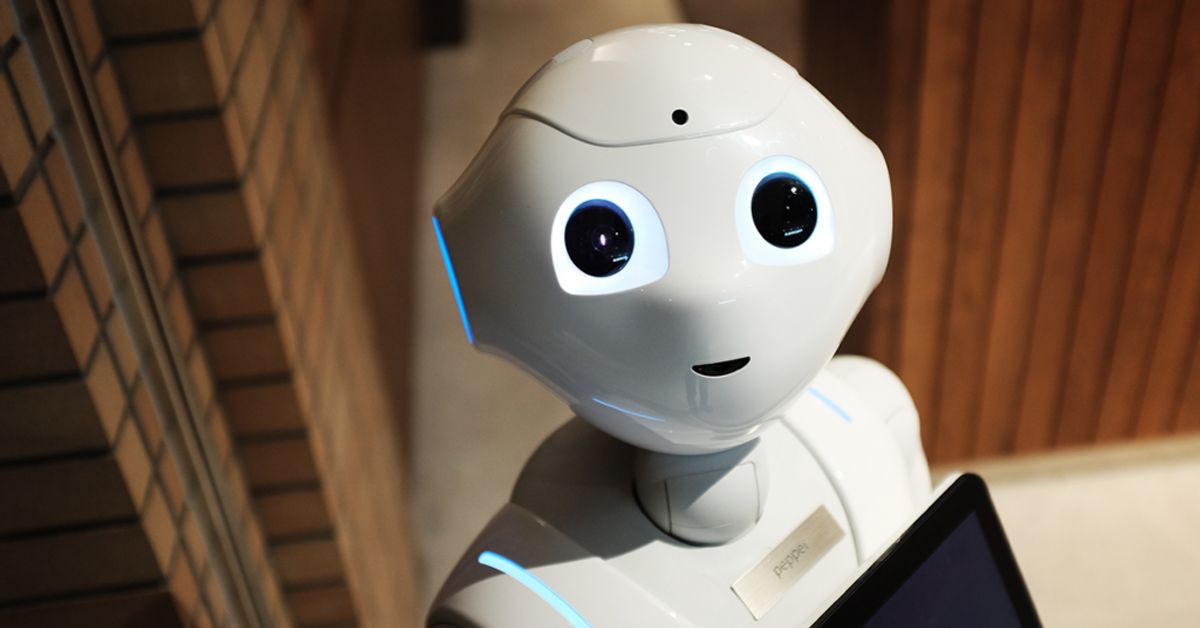
The advent of intelligent evaluation systems marks a transformative era in education. AI-powered grading tools are not just automating the assessment process; they are enhancing it. By providing real-time feedback and pinpointing areas for improvement, these systems foster a more dynamic and responsive learning environment.
The integration of AI in grading transcends traditional methods, offering a personalized touch to each student's educational journey. It's a leap towards a future where technology and human insight combine to cultivate academic excellence.
Educators now have the luxury of focusing on what they do best—teaching and inspiring—while AI handles the meticulous task of grading. This synergy between human and artificial intelligence is reshaping the educational landscape:
- A data-driven approach to evaluation heightens student satisfaction.
- Learning biases are mitigated, ensuring a fair assessment for all.
- Identification of skill gaps becomes more precise, allowing for targeted interventions.
The promise of AI in education is not just a fleeting trend; it's a robust pathway to a more efficient and equitable system. As we embrace these intelligent systems, we must also remain vigilant, ensuring they serve to empower both educators and learners. Let's continue to explore and push the boundaries of what's possible in education. Engage with us, share your experiences, and be part of the revolution.
Providing Instant, Personalized Feedback to Enhance Learning
In the realm of education, AI-Enabled Teaching Tools are not just a futuristic concept; they are here, transforming the way feedback is delivered to students. Imagine a world where after each assignment or quiz, students receive immediate, personalized feedback, not just a grade. This is the reality AI for Student Engagement is creating.
- Real-time adjustments to difficulty levels.
- Personalized feedback on assignments and quizzes.
- Dynamic suggestion of resources to address learning gaps.
By harnessing the power of AI-driven analytics and personalization, students are no longer passive recipients of information. They are active participants in a learning journey that adapts to their unique needs and paces.
The benefits of such a system are manifold. Students experience a learning environment that is constantly attuned to their progress, identifying patterns and potential difficulties. This leads to a more engaging and effective educational experience, where motivation is maintained and learning outcomes are optimized.
Are you ready to witness the revolution in personalized education? Dive into the world of AI-Enabled Teaching Tools and see how they can transform your educational approach. Engage with us, and let's shape the future of learning together.
The Future of Assessments: Predictive Analytics and Adaptive Testing
The landscape of educational assessments is undergoing a seismic shift, thanks to the integration of AI Adaptive Learning Systems. These systems are not only revolutionizing the way students are evaluated but are also providing a more nuanced understanding of their learning journey.
The power of predictive analytics lies in its ability to anticipate a student's future performance based on current data. This foresight is invaluable for educators, allowing them to intervene early and tailor instruction to meet each student's unique needs.
Here's how AI Adaptive Learning Systems are transforming assessments:
- Continuous assessment of student progress.
- Identification of learning patterns and potential difficulties.
- Tailored content recommendations to reinforce learning.
These advancements signify a move away from one-size-fits-all testing towards a more dynamic and responsive approach. Adaptive testing adjusts in real-time, ensuring that each assessment is appropriately challenging for the student, thereby avoiding the pitfalls of under- or overestimation of their abilities.
As we embrace this new era, it's crucial for educators and institutions to stay informed and adapt to these emerging technologies. The promise of AI in education is not just a fleeting trend; it's the pathway to a more personalized and effective learning experience. Join the revolution and witness how AI is shaping the future of education.
Case Studies: Real-World Applications of AI in Education

Exploring the Success Stories of AI Integration in Schools
The narrative of AI in Classroom Innovation is rich with examples where technology has not just supplemented but transformed educational experiences. AI-driven success stories showcase the transformative power of AI in business, leading to smarter decisions, accelerated growth, and improved performance through strategic planning and integration. These stories are not just about technology; they are about the students and educators who have embraced AI to foster a more dynamic and personalized learning environment.
The integration of AI in education has led to a renaissance in how we approach teaching and learning. It has opened doors to new possibilities, such as enhancing teacher skills, improving parent-teacher communication, and nurturing well-rounded individuals through social-emotional learning.
The following points highlight the diverse applications of AI that have made a significant impact in schools:
- AI and Teacher Professional Development: Enhancing Skills and Pedagogy
- AI and Parent-Teacher Communication: Bridging Gaps for Student Success
- The Art of Collaboration: Fostering Teamwork and Communication Skills in Students
- The Impact of Social-Emotional Learning on Student Success: Nurturing Well-Rounded Individuals
- Enhancing Student Engagement: The Role of AI Story Writers in Education
- AI in Language Education: Breaking Barriers and Facilitating Communication
These examples are just the tip of the iceberg. As AI continues to evolve, so too will its role in shaping the future of education. We invite you to delve deeper into these narratives and discover how AI is crafting a new chapter in educational excellence.
Analyzing the Role of AI in Large-Scale Educational Platforms
The integration of AI in Educational Technology is not just a trend; it's a transformative force reshaping how we approach learning at scale. AI-Driven Learning Platforms are becoming the backbone of modern education systems, offering unprecedented personalization and efficiency. These platforms leverage AI for Education Analytics, turning data into actionable insights that drive student success.
Educational AI Software Development is at the forefront of this revolution, crafting tools that adapt to individual learning needs. By analyzing patterns in student interactions, AI can tailor the educational experience, ensuring that each learner receives content that matches their unique learning style and pace.
The promise of AI in education extends beyond mere automation. It's about creating a dynamic ecosystem where every student's potential can be fully realized.
As we delve into the role of AI in large-scale educational platforms, we encounter a myriad of operational successes akin to those seen in retail, manufacturing, and financial services. Automation, predictive algorithms, and data-driven decision-making enhance efficiency and innovation across industries. In education, these AI analytics drive not only administrative efficiency but also pedagogical innovation, leading to improved learning outcomes and student satisfaction.
To truly grasp the impact of AI on education, consider the following points:
- AI enables the creation of a more adaptive learning environment.
- It provides educators with tools to better understand and support their students.
- AI facilitates a shift from one-size-fits-all education to a more customized approach.
Embracing AI in educational platforms is not just about keeping up with technology; it's about taking a proactive step towards a future where education is more accessible, engaging, and effective for everyone. Let's explore together how AI is making this future a reality.
Assessing the Long-Term Impact of AI on Learning Outcomes
The AI Impact on Education is not just a fleeting trend; it's a transformative force reshaping the educational landscape. As we delve into the long-term effects, we see a pattern of enhanced learning outcomes, where AI for Education Accessibility stands as a beacon of hope for inclusive learning.
- AI analytics drive substantial revenue growth by enhancing customer understanding, engagement, and personalized experiences through predictive analytics in SaaS companies.
The integration of AI in education has led to a notable shift in how students interact with knowledge. Adaptive learning systems, powered by AI, have been instrumental in creating a more dynamic and responsive educational environment. These systems track student progress, adapting the difficulty and style of content to match individual learning curves, thus ensuring that every student can achieve their full potential.
The promise of AI in education extends beyond immediate results, hinting at a future where learning is deeply personalized and universally accessible.
Yet, the journey towards fully understanding the AI impact on long-term learning outcomes is ongoing. It is crucial to monitor these developments and consider the implications for future generations. The quest for knowledge is eternal, and AI is our newest companion on this journey. Let's embrace this partnership and unlock the full potential of every learner.
Conclusion
In conclusion, the advent of AI-powered web applications in education is not merely an incremental change but a paradigm shift towards a more personalized, efficient, and engaging learning environment. The integration of AI into educational platforms has demonstrated the potential to create highly individualized learning pathways, adapt to diverse student needs, and streamline administrative processes. This technological evolution promises to enhance educational outcomes by catering to the unique learning styles and paces of each student, thereby democratizing education and fostering a more inclusive and adaptive learning landscape. As AI continues to evolve, it is imperative for educators, developers, and policymakers to collaborate in harnessing its full potential, ensuring that the revolution in personalized education not only continues but accelerates, paving the way for a future where every learner can achieve their utmost potential.
Frequently Asked Questions
How is AI personalizing education for individual students?
AI personalizes education by analyzing each student's learning patterns, strengths, and weaknesses to tailor educational content and pacing to their individual needs. This creates a customized learning pathway that can adapt in real time to the student's progress and preferences.
What administrative tasks in education can AI automate?
AI can automate a variety of administrative tasks such as grading, attendance tracking, scheduling, and resource allocation. This allows educators to focus more on teaching and less on paperwork, ultimately enhancing the educational experience for both teachers and students.
How do virtual tutors enhance the learning experience?
Virtual tutors powered by AI provide real-time academic support, offering explanations, guidance, and feedback that is tailored to the student's current level of understanding. They can be integrated into both traditional and online classrooms to supplement learning.
In what ways are AI-powered assessments changing education?
AI-powered assessments are revolutionizing education by providing intelligent evaluation systems that can grade more efficiently and fairly. They offer instant, personalized feedback to students and utilize predictive analytics to adapt testing to a student's ability level.
Can you give examples of successful AI applications in real-world education?
Successful AI applications in education include adaptive learning platforms, AI-driven tutoring systems, and intelligent assessment tools. Companies like Piogroup are leading the integration of AI into educational software, offering more responsive and tailored experiences.
What is the future potential of AI in education?
The future potential of AI in education is vast, with possibilities for further personalization of learning, more efficient administrative processes, and enhanced teaching methods. AI promises to make education more individualized and effective, catering to the unique journey of each learner.


Comments
Post a Comment