How AI-Powered Web Applications Are Revolutionizing the Education Sector
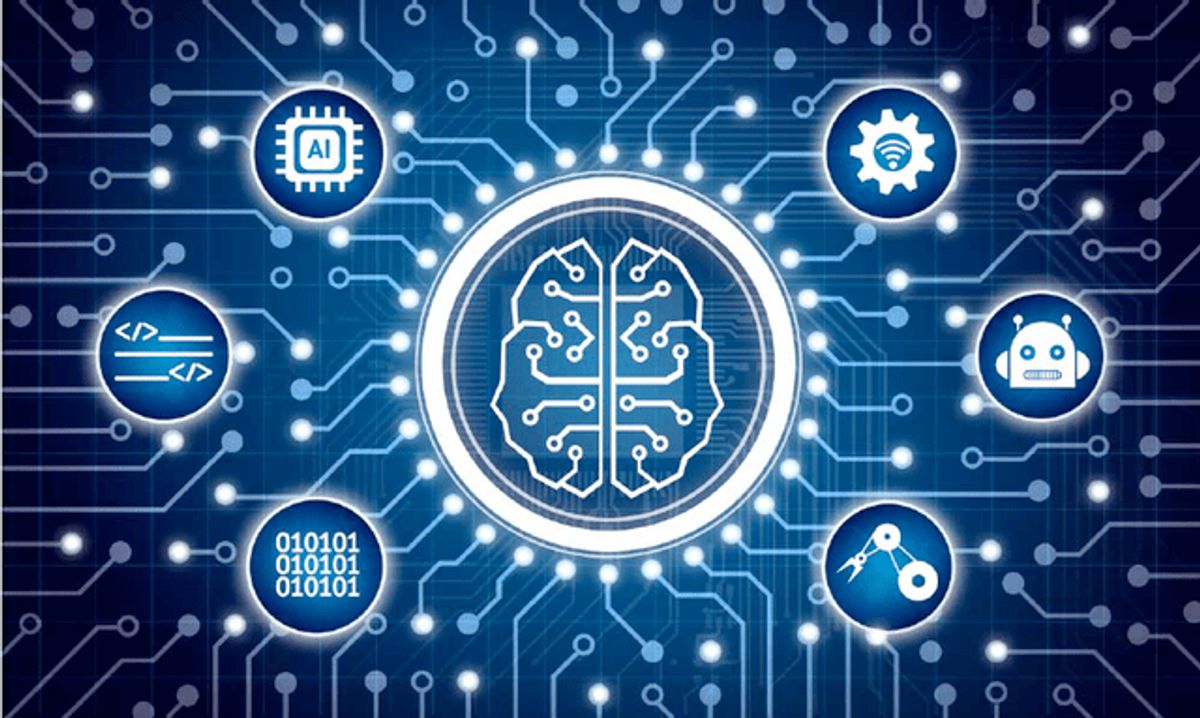
Artificial intelligence (AI) is rapidly transforming the education sector, offering unprecedented personalization, efficiency, and engagement in learning experiences. As AI integrates into web applications, it reshapes traditional educational models, providing tailored content, automated administrative operations, and innovative teaching methodologies. This article explores how AI-powered web applications are revolutionizing education, highlighting the benefits and challenges of this technological shift.
Key Takeaways
- AI enables the creation of adaptive learning systems that personalize educational content and assessments to individual student needs, promoting a more effective learning experience.
- Administrative tasks in education are becoming more efficient through the use of AI, with automated grading systems and predictive analytics aiding in decision-making processes.
- EdTech startups are leveraging AI to develop disruptive learning platforms that enhance classroom management and student engagement, as evidenced by successful case studies.
- Teaching methodologies are evolving with AI, as virtual assistants and tailored learning experiences become more prevalent in diverse educational settings.
- While AI presents significant advancements in education, it also raises challenges related to data privacy, security, and ethical considerations that must be addressed.
Personalization of Learning Through AI Integration

Adaptive Learning Systems and Tailored Content
In the realm of education, Personalized Learning AI Solutions are transforming the landscape, offering a future where every student's learning journey is as unique as their fingerprint. AI Adaptive Learning Systems are at the forefront of this revolution, utilizing sophisticated algorithms to craft a custom-fit educational experience.
Adaptive learning technologies are not just about adjusting to the right level of difficulty; they're about understanding the learner. These systems analyze how students interact with content, assess their grasp of concepts, and adapt the sequence and complexity of tasks accordingly. The result is a learning pathway that evolves in real time, ensuring that each student is neither under-challenged nor overwhelmed.
The beauty of AI in education lies in its ability to offer rapid feedback and scaffold learning experiences, fostering a nurturing environment that is responsive to every learner's needs.
By embracing these technologies, educators can identify and bridge learning gaps more effectively, leading to improved outcomes. Moreover, these systems champion inclusivity by providing targeted support to students from diverse backgrounds, leveling the educational playing field.
Here's a glimpse into the impact of AI on personalized learning:
- Adaptive Content: Tailoring complexity and sequencing to the learner's needs.
- Learning Pathways: Evolving educational journeys that respond to real-time feedback.
- Rapid Feedback: Immediate insights that help students adjust their learning strategies.
- Inclusive Education: Catering to a broad spectrum of student demographics.
The Bles Software website offers insights on AI, technology, and software solutions for businesses from startups to enterprises. Articles cover AI strategies, growth, SaaS innovation, and automation in software development. Dive into this treasure trove of knowledge and stay ahead in the rapidly evolving world of education technology.
Intelligent Tutoring and Real-Time Feedback Mechanisms
In the realm of Virtual Learning with AI, the emergence of AI-Assisted Tutoring Systems has been nothing short of transformative. These systems, equipped with sophisticated AI algorithms, are not just digital platforms; they are virtual mentors tailored to each student's unique learning journey. By analyzing individual performance data, these intelligent systems adapt in real time, providing scaffolded support precisely when students need it most.
Imagine a learning environment where every question is met with immediate, personalized feedback. This is the reality AI has brought to education. Students no longer have to wait for the next class or office hours; AI-powered feedback mechanisms are always on, ensuring that learning never hits a pause.
The true power of AI in education lies in its ability to offer real-time interventions, turning potential moments of frustration into opportunities for growth.
These systems don't just react; they proactively guide students through complex topics, adjusting the difficulty and pacing to optimize learning outcomes. The result? A learning experience that is as unique as the learner themselves, fostering not only knowledge acquisition but also the development of metacognitive skills and self-directed learning habits.
Data-Driven Student Assessment and Progress Tracking
In the realm of education, data is more than just numbers; it's the heartbeat of student success. Educational software, now supercharged with AI, has transformed the landscape of student assessment and progress tracking. By harnessing the power of data analytics, educators are equipped to unravel the complexities of each learner's journey.
With predictive analytics, we can forecast student outcomes and identify learners who may need a guiding hand. This proactive approach is pivotal in shaping a supportive educational environment.
Educational institutions are now embracing a data-driven culture, where decisions are informed by real-time insights. Consider the following applications of AI in student assessment:
- Predictive Analytics: Forecasting student outcomes and identifying at-risk learners.
- Adaptive Learning: Personalizing instruction based on performance metrics.
- Formative Assessment: Providing timely feedback to guide learning.
This approach not only personalizes the educational experience but also democratizes it, ensuring every student has the opportunity to excel. As we continue to refine these tools, the potential to close educational gaps and foster an equitable learning landscape becomes a tangible reality.
The journey doesn't end here. Dive deeper into the transformative power of AI in education. Embrace the future where every learner's potential is maximized, and every educator's impact is amplified. Let's explore together—join the conversation and share your experiences with AI-driven education.
AI-Driven Efficiency in Educational Administration
Automated Grading and Assessment Tools
In the realm of education, AI-Enabled Teaching Tools are transforming the landscape by liberating teachers' time through the automation of grading and assessment. This pivotal shift allows educators to concentrate on delivering more precise and consistent feedback, a cornerstone of effective teaching.
- AI automates routine tasks, such as grading and assessment.
- Educators gain more time for personalized instruction.
- Students receive tailored feedback to improve their learning journey.
By harnessing the power of AI, students are granted access to tailored resources and opportunities, aligning with their unique interests and academic pursuits. This not only enhances their knowledge but also enriches their educational experience.
Furthermore, AI-driven platforms are redefining administrative efficiency, diminishing the load on educators. This newfound freedom from manual tasks empowers teachers to invest more deeply in individualized instruction and foster greater student engagement. As we embrace these advancements, it's crucial to recognize the individuals who make it possible. Stas Sorokin, a Pro on Fiverr, exemplifies the expertise required to integrate such AI applications, with a specialization in web development and API integration that is pivotal for educational innovation.
Streamlining Administrative Workflows with AI
The integration of AI into educational administration is not just a trend; it's a transformative force. AI-powered analytics drive operational excellence by streamlining processes, eliminating duplication, and optimizing resource allocation. This shift towards AI-driven platforms has significantly reduced the administrative burden on educators, allowing them to focus more on their core responsibilities of teaching and student engagement.
- Automated grading systems
- AI-powered scheduling tools
- Resource management optimization
These are just a few examples of how AI is freeing up valuable time and resources. Educators can now leverage technology to analyze data and adapt their lessons to meet the diverse needs of their students. The result is a more efficient educational environment where the focus shifts from administrative tasks to creating engaging and successful learning experiences.
With AI, the potential for operational efficiency in education is immense. It's about harnessing the power of AI to not just do things better, but to do better things.
As we continue to explore the capabilities of AI in education, it's clear that the potential for innovation is boundless. The call to action for educational institutions is to embrace these technologies, to not only enhance operational efficiency but also to redefine the educational landscape. Let's not just adapt to AI; let's lead with it.
Enhanced Decision-Making with Predictive Analytics
In the realm of AI for Education Analytics, predictive analytics stands as a beacon of transformation. By harnessing the power of AI-driven predictive analytics, educators are not only forecasting student outcomes but also pinpointing learners who may need extra support. This proactive approach is reshaping how educational risks are managed and decisions are made, echoing the broader impact of AI across various sectors.
The integration of predictive analytics into educational systems is a game-changer, enabling a data-driven paradigm that informs every aspect of the learning journey.
Consider the following applications of predictive analytics in education:
- Forecasting Student Outcomes: Leveraging historical and real-time data to predict academic success and challenges.
- Identifying At-Risk Learners: Utilizing analytics to detect students who require additional resources or interventions.
- Guiding Instructional Improvement: Providing educators with insights to refine teaching strategies and enhance learning experiences.
As we delve into the nuances of data-driven insights, it becomes clear that AI analytics are not just revolutionizing assessment but are also empowering educators with actionable information. This information is pivotal for optimizing resources and tailoring support services, ultimately leading to improved educational outcomes. The future of education hinges on our ability to embrace these technologies and the profound insights they offer. Engage with us as we explore the depths of AI in education and uncover strategies to harness its full potential for the betterment of learning environments everywhere.
Innovative AI Applications in EdTech Startups
Disruptive Learning Platforms and Services
In the realm of education, AI-Driven Learning Platforms are not just a trend; they are a transformative force reshaping the landscape of how knowledge is acquired and delivered. These platforms harness the power of artificial intelligence to create a dynamic, personalized learning environment that adapts to the unique needs of each student.
With the integration of AI, learning platforms are now capable of providing real-time adjustments in curriculum and pacing, ensuring that the educational journey is not only tailored to individual learning styles but also to the evolving competencies of each learner.
The agility and innovation of EdTech startups have given rise to a variety of AI-powered tools that elevate learning achievements and streamline administrative tasks. From cloud-based educational solutions offering unparalleled accessibility to gamification strategies that engage students in new and exciting ways, the impact is profound:
- Adaptive learning systems offer rapid feedback and scaffold learning experiences.
- Intelligent tutoring systems guide students through personalized learning sequences.
- Augmented and virtual reality applications create immersive learning environments.
These advancements are not just for the benefit of students; they also empower educators by simplifying lesson planning and providing insightful data for better instructional decisions. As we continue to witness the growth of AI in education, it is crucial for stakeholders to engage with these technologies, to not only enhance the learning experience but also to shape the future of education. Embrace the change, explore the possibilities, and be part of the revolution in education.
AI in Classroom Management and Engagement
The advent of AI in Educational Technology is not just a trend; it's a paradigm shift in how we approach classroom management and student engagement. Imagine a world where AI for Student Engagement is not a distant dream but a tangible reality, enhancing every aspect of the educational journey.
- AI-assisted systems analyze data to provide tailored learning experiences.
- AI in Classroom Innovation creates immersive environments through VR and AR.
- Educational AI Software Development focuses on predictive outcomes and learning strategies.
AI in Education Management goes beyond mere automation; it's about creating a symbiotic relationship between technology and pedagogy. This synergy fosters greater engagement and comprehension among learners, ultimately revolutionizing the educational landscape.
By leveraging AI, educators are empowered with advanced tools and insights to deliver more effective instruction and support services to their students.
The transformative power of AI is not limited to student learning. For teachers, it's a valuable ally, providing real-time insights to improve engagement and automating tedious duties. This liberation from repetitive tasks allows educators to focus on what truly matters—nurturing the minds of the future.
Are you ready to be part of this revolution? Dive into the world of AI in education and witness how it reshapes our understanding of teaching and learning. Let's embark on this journey together, exploring the endless possibilities that AI brings to the table.
Case Studies: Success Stories of AI in Education Startups
The landscape of education is being reshaped by the ingenuity of AI-driven startups, which are introducing groundbreaking solutions across the educational spectrum. These startups are not just enhancing teaching and learning experiences but are also addressing the complex needs of students, educators, and institutions with remarkable creativity.
- Duolingo: A language learning platform that uses AI to adapt to users' learning styles, making language acquisition more efficient and personalized.
- Knewton: An adaptive learning company that provided personalized learning experiences before being acquired by John Wiley & Sons.
- AltSchool: A network of schools that uses AI to tailor education to individual student needs, focusing on developing 'whole children'.
The transformative power of these startups is not limited to educational outcomes but extends to the very principles that underpin traditional education.
The success stories of these startups are a testament to the potential of AI to revolutionize the education sector. By rigorously evaluating the effectiveness of AI-powered educational interventions, these companies ensure their impact is both significant and scalable. As we continue to witness the rise of AI in education, it is clear that the sector is on the cusp of a new era of innovation and enterprise.
The Impact of AI on Teaching Methodologies
Virtual Teaching Assistants and Instructional Support
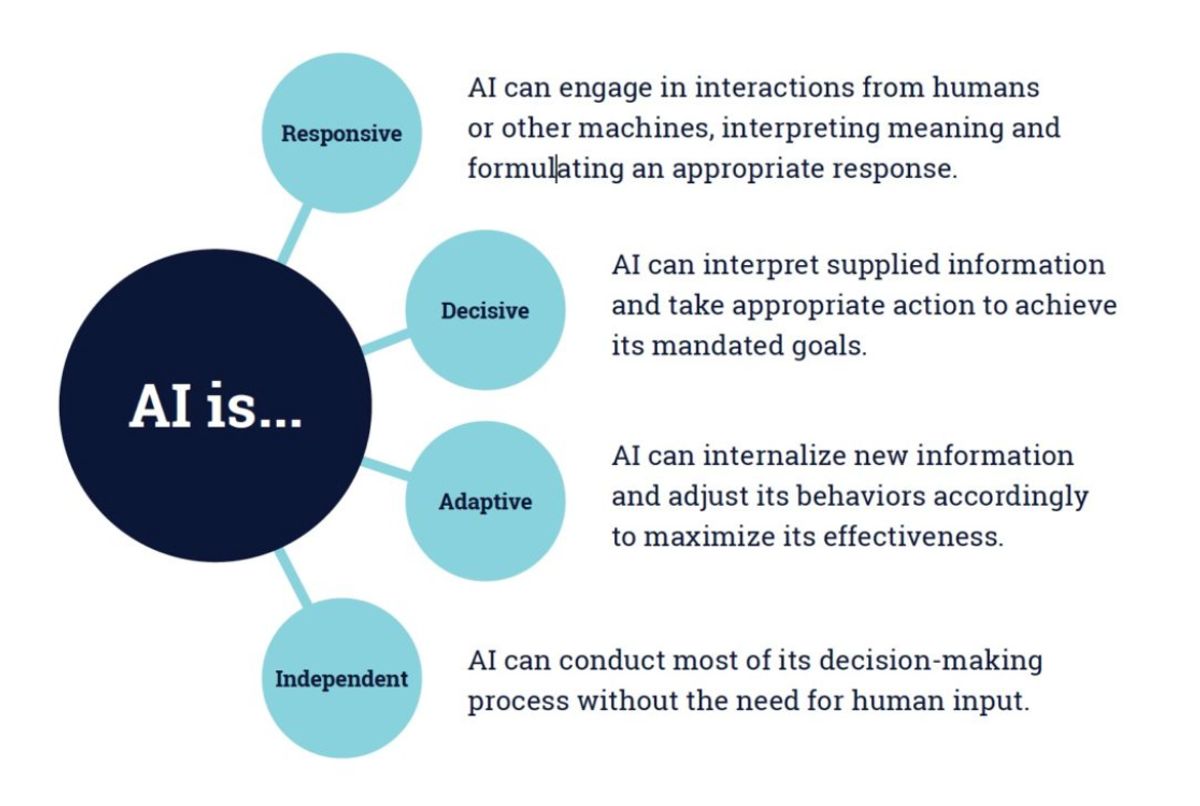
In the digital age, the role of virtual teaching assistants (VTAs) is becoming increasingly pivotal in shaping the educational landscape. These AI-driven entities are not just supplementary tools but are transforming the very fabric of instructional support. VTAs are adept at analyzing educational data, thus empowering educators to customize their teaching strategies to the unique needs of each student.
- VTAs provide real-time feedback and coaching, aiding students through challenging tasks and supporting teachers in lesson adaptation.
- They foster self-directed learning by developing students' metacognitive skills, allowing for a more personalized education journey.
- By automating routine tasks, VTAs free up valuable time for educators to concentrate on more impactful instructional activities.
The integration of VTAs in the classroom is not merely a technological advancement; it is a catalyst for a more engaged and individualized learning experience.
The emergence of VTAs has led to a significant shift in how educators approach teaching and student assessment. With the ability to offer instant feedback and targeted interventions, these AI-powered tools are instrumental in enhancing student understanding and participation. The result is a marked improvement in learning outcomes and a richer grasp of complex subjects. As we continue to navigate the evolving educational terrain, the importance of VTAs cannot be overstated. Embrace the change, and witness the transformative power of AI in education. Let's harness the potential of virtual teaching assistants to create a more dynamic and inclusive learning environment for all.
Customized Learning Experiences in Diverse Educational Settings
In the realm of education, the integration of AI in Curriculum Design is not just a trend; it's a transformative force. AI Impact on Education is evident as it tailors learning experiences to meet the unique needs of each student. By leveraging AI, educators can now design curricula that adapt to the learning styles and paces of students, ensuring that no one is left behind.
The true power of AI lies in its ability to create a learning environment that is not only inclusive but also highly effective. It recognizes the individuality of each learner and provides a pathway that aligns with their specific abilities and interests.
Customized learning experiences are particularly beneficial in settings that cater to a diverse student population. They address the varying educational requirements and help bridge the gap between different learning abilities. Here's how AI is making a difference:
- Adaptive Learning Systems: These systems dynamically adjust educational content based on student performance, utilizing AI algorithms to assess and adapt to each learner's understanding.
- Data-Driven Insights: AI tools analyze student data to identify learning patterns, preferences, and gaps, informing the design of personalized educational experiences.
- Equitable Access: AI in education ensures that students from all backgrounds have access to tailored learning, promoting equity and inclusivity.
The journey towards a fully personalized educational landscape is ongoing, and your participation is crucial. Engage with the latest AI-driven educational tools and be part of the revolution that is shaping the future of learning. Embrace the change, and witness the growth in your educational setting.
The Role of AI in Continuous Professional Development for Educators
In the dynamic landscape of education, AI is a catalyst for continuous professional development among educators. By harnessing the power of AI, teachers can access personalized learning paths, ensuring their skills remain sharp and relevant. AI-driven professional development systems offer a spectrum of resources tailored to individual teaching styles and subject matter expertise.
- Virtual coaching systems provide on-demand support, allowing educators to refine their teaching methods in real time.
- AI facilitates the creation of inclusive learning environments by equipping teachers with the necessary tools to address equity concerns.
The rapid technological advancements in AI necessitate a commitment to ongoing teacher training. Educators must be equipped with the skills to navigate AI tools ethically and effectively within their classrooms. As AI reshapes the educational landscape, it is imperative that we invest in robust professional development programs that empower educators to become adept at integrating these technologies.
The integration of AI in education is not just about the technology; it's about fostering a culture of lifelong learning among educators.
As we look to the future, the role of AI in educator development is clear. It is a partnership where technology enhances human potential, and where educators are the architects of their own growth. Let's embrace this journey together, fostering a generation of educators who are as dynamic and adaptable as the students they inspire. Join us in this transformative movement—your next step in professional development awaits.
Challenges and Ethical Considerations of AI in Education
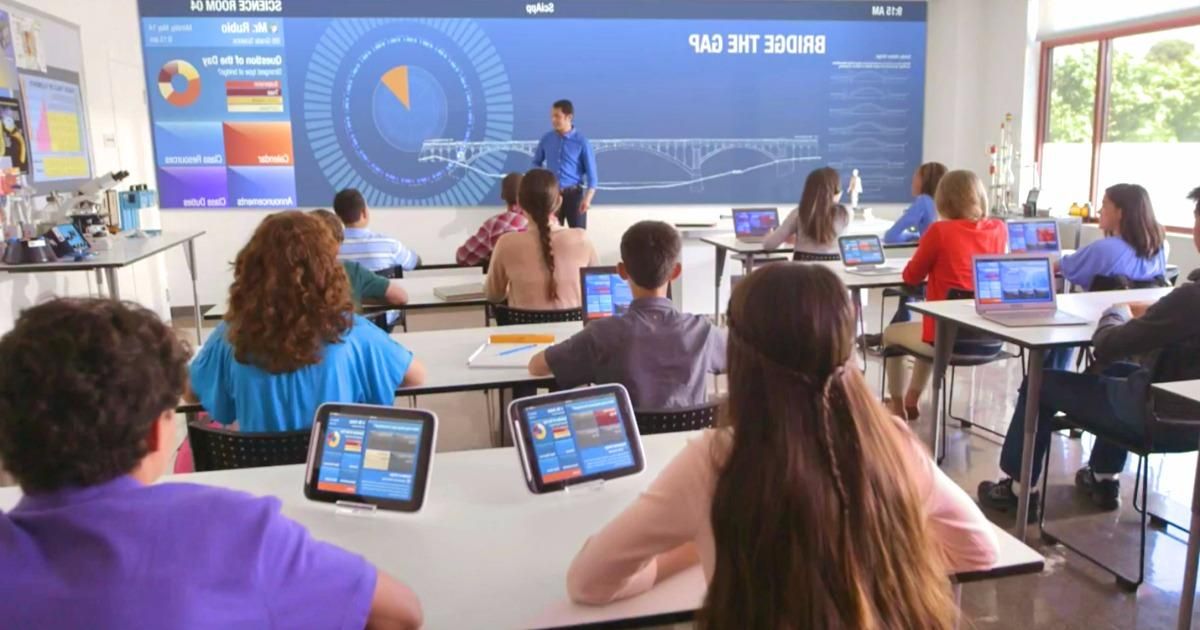
Addressing Data Privacy and Security Concerns
In the digital age, the sanctity of personal data is paramount, especially when it comes to the sensitive information held within educational institutions. Educators and AI developers must collaborate to fortify the defenses against potential breaches, ensuring that the AI-powered tools in use are not only innovative but also impenetrable fortresses of privacy and security.
To achieve this, a multi-layered approach is essential:
- Robust Policies: Crafting comprehensive data privacy policies that align with stringent regulations like GDPR and FERPA.
- Technical Safeguards: Implementing advanced encryption and security protocols to protect against unauthorized access.
- Regular Audits: Conducting frequent security assessments to identify and rectify potential vulnerabilities.
The goal is not merely compliance but the establishment of a culture of security that permeates every aspect of educational technology.
As we navigate these challenges, it's crucial to remember that the ultimate aim is to create a safe environment that fosters learning and innovation. By addressing these concerns head-on, we pave the way for a future where AI serves as a beacon of knowledge, untainted by the threats that loom in the shadows of technology. Let's join hands to champion the cause of data privacy and security in education. Engage with us, share your thoughts, and be part of the solution.
Mitigating Bias and Ensuring Equity in AI Applications
The integration of AI in education holds the promise of AI for Education Accessibility, yet it is not without its challenges. Ensuring that AI-powered tools do not perpetuate existing biases is critical for achieving equity in educational outcomes. Developers and educators must prioritize fairness and transparency to prevent AI from inadvertently disadvantaging underrepresented groups.
To achieve this, a multifaceted approach is necessary, involving rigorous testing, continuous monitoring, and inclusive design principles. It is essential to involve diverse stakeholders in the development process to reflect a wide range of perspectives and needs.
Educational leaders must also be vigilant in their oversight of AI tools, ensuring that they are used responsibly and ethically. By doing so, we can harness the potential of AI to create a more inclusive and equitable educational landscape for all students.
Remember, the future of education is not just about technology; it's about the fair and equitable application of that technology. Join us in the conversation and contribute to shaping an education sector that values diversity and inclusivity at its core.
The Future of Human-AI Collaboration in Education
As we stand on the cusp of a new educational paradigm, the future of human-AI collaboration in education is not just a distant dream but an unfolding reality. The integration of AI into the education sector is poised to create a synergy where technology complements human expertise, leading to a more personalized and effective learning environment.
The potential of AI to revolutionize education is akin to its impact on manufacturing, where predictive maintenance and AI analytics have become integral to agile decision-making and continuous improvement.
To fully realize this potential, a concerted effort is needed to build AI literacy across educators and students alike, ensuring that the benefits of AI are accessible to all. The following points outline the key areas of focus:
- Fostering a culture of continuous professional development for educators to integrate AI tools effectively.
- Developing ethical frameworks to guide the responsible use of AI in education.
- Encouraging the co-creation of AI-driven curricula by educators and technologists.
- Ensuring equity in access to AI resources across diverse educational settings.
In conclusion, the journey towards a future enriched by AI in education requires a collaborative and inclusive approach. By embracing the transformative potential of AI, we can shape an educational landscape that is equitable, inclusive, and capable of preparing learners for the challenges of the digital age. Let us join hands to make this vision a reality.
Conclusion
In summary, the integration of AI into web applications within the education sector marks a significant leap forward in how we approach teaching and learning. The evidence presented throughout this article underscores the transformative potential of AI to personalize learning, streamline administrative operations, and enhance the educational experience for students and educators alike. As we have seen, AI is not merely a supplementary tool but a fundamental driver of innovation, enabling educational environments to become more adaptive, efficient, and engaging. The continued advancement and adoption of AI-powered technologies promise to further refine and redefine the educational landscape, ensuring that it remains responsive to the evolving needs of learners in an increasingly digital world.
Frequently Asked Questions
How does AI personalize learning experiences in education?
AI personalizes learning by using adaptive learning systems that analyze students' strengths, weaknesses, and learning patterns to tailor educational content and assessments. This allows students to learn at their own pace with targeted support.
What are some examples of AI applications in educational administration?
AI applications in educational administration include automated grading, streamlining administrative workflows, and using predictive analytics for enhanced decision-making, all of which contribute to increased efficiency and reduced workload.
How are EdTech startups using AI to transform education?
EdTech startups are using AI to develop disruptive learning platforms and services, enhance classroom management and engagement, and create adaptive learning environments. Success stories from these startups showcase the potential of AI in revolutionizing education.
What role does AI play in teaching methodologies?
AI plays a significant role in teaching methodologies by providing virtual teaching assistants for instructional support, enabling customized learning experiences in various educational settings, and aiding continuous professional development for educators.
What are the challenges and ethical considerations of AI in education?
Challenges and ethical considerations include addressing data privacy and security concerns, mitigating bias to ensure equity in AI applications, and finding the right balance for human-AI collaboration in the educational process.
Can AI improve both the efficiency of teachers and the learning outcomes of students?
Yes, AI can improve efficiency by automating routine tasks, allowing teachers to focus on more complex educational activities. It also enhances learning outcomes by providing personalized and adaptive learning experiences for students.


Comments
Post a Comment