How AI-Powered Custom Web Applications Are Revolutionizing Education

In today's rapidly evolving educational landscape, AI-powered custom web applications are at the forefront of a revolution, offering personalized, efficient, and interactive learning experiences. This article delves into the transformative power of AI in education, exploring its integration into various aspects of teaching and learning. From personalized learning paths and administrative automation to engaging learning tools and future challenges, we uncover the impact of AI on educational institutions, educators, and students alike.
Key Takeaways
- AI in education customizes learning experiences, adapts to individual needs, and enhances student engagement through tools like adaptive learning platforms.
- The historical evolution of AI in education demonstrates a significant shift towards data-driven, personalized learning paths that improve student outcomes.
- AI-driven administrative automation streamlines operations, increases efficiency in educational institutions, and offers successful case studies of implementation.
- Interactive AI tools, including virtual reality and simulations, foster an engaging and collaborative educational environment, enriching the learning process.
- The future of AI in education will see new trends and tools, but faces ethical and privacy challenges that must be addressed to ensure responsible integration.
The Emergence of AI in Educational Technology

Defining AI and Its Role in Education
At the heart of the AI revolution in educational technology is the promise of a more personalized and effective learning experience. AI, or artificial intelligence, refers to the simulation of human intelligence in machines that are programmed to think and learn. In the realm of education, AI's role is multifaceted, encompassing personalized learning paths, intelligent tutoring systems, and immersive experiences through VR and simulation.
AI has the potential to revolutionize education by enhancing learning and personalization.
The integration of AI into educational systems is not just a futuristic concept; it's a present reality with tangible benefits. Here are some key ways AI is making an impact:
- Adaptive learning: AI algorithms can tailor educational content to the needs of individual students, ensuring that each learner receives instruction at the right level of difficulty.
- Efficiency: AI can automate administrative tasks, freeing up educators to focus on teaching and mentorship.
- Engagement: Through interactive tools and simulations, AI can make learning more engaging and memorable.
As we embrace AI for transformative educational operations, it's crucial to understand its capabilities and limitations. By doing so, educators and institutions can optimize the integration of AI, ensuring that it serves as a powerful ally in the quest for educational excellence.
Historical Evolution of AI in Learning Environments
The journey of AI in education is a tale of continuous innovation and transformation. From the early days of computer-based training to the sophisticated AI-driven platforms of today, the evolution has been nothing short of revolutionary. The pivotal moment came with the introduction of adaptive learning technologies, which allowed educational content to be tailored to the individual needs of each student.
- Early 1960s: Programmed Instruction and the first steps towards automated teaching.
- Late 1970s: Computer-Assisted Instruction (CAI) begins to take shape.
- 1990s: The emergence of the Internet and online learning platforms.
- 2000s: Learning Management Systems (LMS) integrate data analytics.
- 2010s: Adaptive learning algorithms and AI tutors become prevalent.
The true essence of AI in education lies not in the technology itself, but in its capacity to unlock the unique potential within every learner.
As we reflect on the milestones of AI in education, it's clear that each advancement has brought us closer to a more personalized and effective learning experience. The challenge now is to harness these technologies to create equitable and accessible education for all. Stay tuned as we delve deeper into how AI is crafting personalized learning paths that are reshaping educational outcomes. Engage with us, share your experiences, and be part of the conversation that is shaping the future of education.
Case Studies: AI Transformations in Education
The landscape of education is being reshaped by the influx of AI technologies, creating a new era of personalized and dynamic learning experiences. AI-driven success stories are not just confined to the corporate world; they are equally transformative in educational settings. For instance, IBM Watson's foray into education has set a precedent for intelligent systems enhancing the learning process.
AI's capability to digest and analyze vast amounts of data has led to the development of platforms that adapt to individual student needs. Edtech startups like Khan Academy and Coursera are at the forefront, employing AI algorithms to monitor progress and customize content, ensuring that each student's learning journey is as unique as their fingerprint.
The promise of AI in education is not just in its ability to tailor learning paths, but also in its potential to democratize education, making it accessible and equitable for all learners.
As we delve into the transformative power of AI in education, it's crucial to consider the practical examples and tips that can guide institutions on this journey. The table below encapsulates the impact of AI on various educational aspects:
| Aspect | Impact of AI |
|---|---|
| Personalized Learning | Adaptive platforms providing tailored content |
| Student Engagement | Intelligent tutoring systems fostering deeper understanding |
| Inclusive Education | Tools that cater to diverse learning needs and styles |
Embracing AI in education is not just about keeping up with technology; it's about unlocking the potential within every student. As we continue to explore the vast possibilities, let's ensure that we are not just passive observers but active participants in this educational revolution.
Personalized Learning Paths Through AI

Adaptive Learning Platforms and Algorithms
In the realm of education, AI-Driven Learning Platforms are not just futuristic concepts but present-day realities shaping the way we learn. These platforms leverage the power of AI Adaptive Learning Systems to offer a bespoke educational experience, meticulously tailored to each learner's unique abilities and knowledge gaps. Imagine a learning environment that evolves in real-time, responding to every click, quiz response, and the time spent on each concept.
- Personalized Content Delivery: AI algorithms dynamically adjust content complexity and learning paths, ensuring students are neither overwhelmed nor under-challenged.
- Continuous Assessment: Real-time feedback mechanisms identify areas of struggle, allowing for immediate intervention and support.
- Engagement and Motivation: By aligning with a student's pace and preferences, AI-driven platforms maintain high levels of engagement, crucial for sustained learning.
The true essence of AI in education lies in its ability to transform passive learning into an active, personalized journey. Students are no longer mere recipients of information but active participants in a tailored educational narrative.
The impact of such technology is profound, with data-driven insights paving the way for unprecedented customization in education. As we delve deeper into the capabilities of these intelligent systems, we invite you to consider the transformative potential of AI in your own learning environments. Embrace the change, and be part of the educational revolution.
Data-Driven Insights for Customized Education
In the realm of education, Personalized Learning AI Solutions are not just a futuristic concept but a present-day reality, transforming the educational landscape. By harnessing the power of data analytics, educators are now equipped to tailor the learning experience to the unique needs of each student. This is achieved through meticulous analysis of student data, which reveals invaluable insights into individual performance and learning progress.
For instance, AI algorithms can dissect large datasets to pinpoint patterns and trends in student performance. Such insights enable educators to make informed decisions, identify areas for improvement, and devise targeted interventions. The result is a more engaging and effective educational experience, one that adapts to the strengths and weaknesses of learners.
The Bles Software website offers insights on leveraging AI for scalable growth, business expansion, SaaS innovation, and efficient software development. It underscores the importance of strategic implementation and the role of emerging technologies in achieving these goals.
The table below illustrates the impact of data-driven insights on student outcomes:
| Metric | Pre-AI Implementation | Post-AI Implementation |
|---|---|---|
| Engagement Level | Low | High |
| Content Comprehension | Variable | Improved |
| Individual Performance | Inconsistent | Consistent |
By integrating data-driven insights into the educational process, we not only enhance the learning experience but also pave the way for a more enlightened and informed future. Embrace the change, and let us guide you through the intricacies of Personalized Learning AI Solutions to unlock the full potential of your educational endeavors.
The Impact of Personalization on Student Outcomes
The advent of AI in education has ushered in an era where personalized learning is not just a buzzword but a tangible reality. By harnessing the power of AI, educators can now identify when a student might be struggling and provide targeted interventions or additional resources to help them grasp the concepts better. This personalized approach not only enhances student engagement but also improves learning outcomes.
The commitment to personalization recognizes the individuality of each student and promotes a holistic understanding of subjects.
The process of creating a more personalized learning environment means that students are more likely to learn at their own pace and in their own way. The table below illustrates the positive impact of personalization on various aspects of student outcomes:
| Aspect of Learning | Improvement with Personalization |
|---|---|
| Engagement | Increased |
| Comprehension | Enhanced |
| Retention | Improved |
| Performance | Elevated |
By tailoring lectures and projects to individual needs, educators like Stas provide exceptional AI learning experiences. Clients praise his practicality, relevance, and deep understanding of AI concepts. As we continue to explore the potential of AI in education, it's clear that the personalization it offers is key to unlocking student potential and driving success in the classroom and beyond. Embrace the change, and witness the transformation in your educational journey.
AI-Driven Administrative Automation in Education
Streamlining Operations with Intelligent Systems
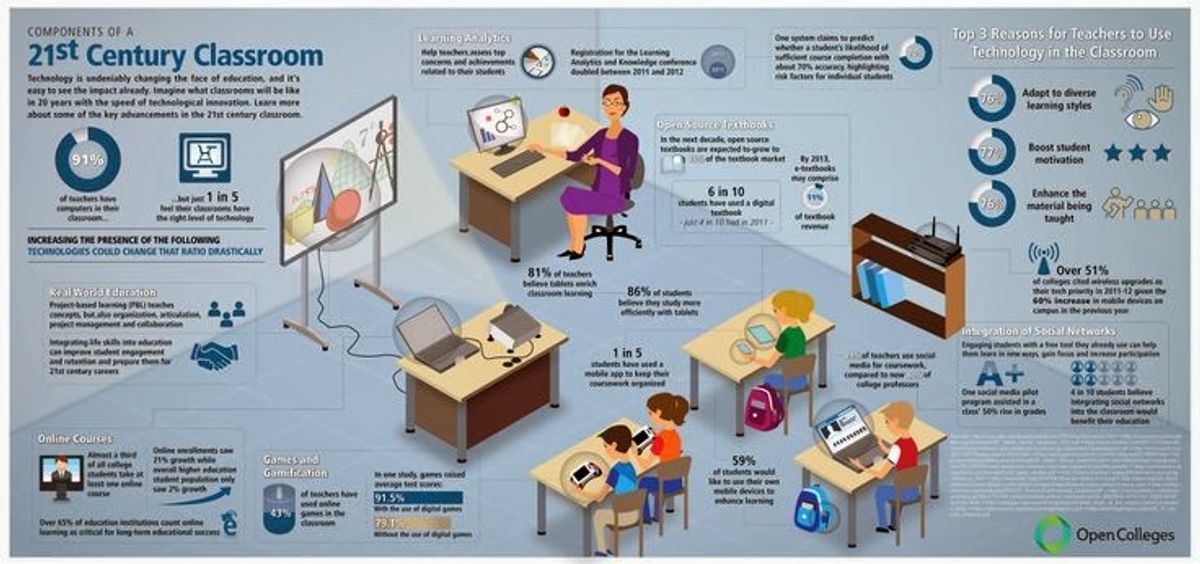
In the realm of education, the integration of AI into administrative operations is not just a trend; it's a transformative force. AI systems are revolutionizing decision processes in modern educational institutions, mirroring the enhancements seen in business efficiency, analysis, and strategic decision-making. By automating routine tasks, AI liberates educators and administrators from the shackles of mundane work, allowing them to concentrate on what truly matters: fostering a nurturing learning environment.
For instance, AI-powered chatbots have become the unsung heroes of administrative efficiency. They tirelessly handle inquiries, schedule appointments, and disseminate course information, all without a coffee break. This automation is more than a mere convenience; it's a strategic reallocation of human resources towards more impactful educational endeavors.
The true value of AI in education lies not in the technology itself, but in the time it returns to educators—time that can be invested back into the heart of teaching and learning.
Consider the following benefits that AI-driven automation brings to administrative tasks:
- Reduction in time spent on grading and attendance tracking, liberating educators to focus on lesson planning and student engagement.
- Streamlined scheduling and information dissemination, ensuring that students and parents have access to the right information at the right time.
- Enhanced accuracy in administrative tasks, minimizing errors and improving overall institutional efficiency.
As we continue to witness the unfolding narrative of AI in education, it's clear that these intelligent systems are not just tools; they are partners in the educational journey. They offer a promise of a more efficient, effective, and personalized learning experience for all.
Enhancing Efficiency in Educational Institutions
In the realm of education, efficiency is not just a buzzword; it's a critical component that can reshape the entire learning landscape. AI in Education Management is playing a pivotal role in this transformation. By automating routine administrative tasks, AI liberates educators and administrators, allowing them to concentrate on what truly matters—fostering engaging learning experiences and offering personalized support to students.
- AI-powered chatbots handle FAQs, schedule appointments, and provide course information.
- Data analysis of enrollment and resource allocation identifies inefficiencies.
- Streamlined operations free up time for teaching and nurturing students.
The integration of AI for Education Accessibility is a testament to the power of technology in democratizing learning. It ensures that every student, regardless of their background, has access to quality education and the necessary support to thrive.
As we witness the dawn of a new era in educational efficiency, it's imperative to recognize the transformative impact of AI. It's not just about doing things faster; it's about doing them smarter, with a profound emphasis on accessibility and personalized learning. Embrace the change, and let's collectively push the boundaries of what's possible in education. Are you ready to be part of this revolution?
Case Studies: Successful Administrative AI Implementations
The transformative power of AI in educational administration is not just a promise; it's a reality. AI analytics drive operational successes, mirroring the impact seen in sectors like retail and finance. By automating routine tasks, AI liberates educators from the shackles of administrative burdens, allowing them to focus on what truly matters: teaching and nurturing young minds.
AI-powered chatbots and intelligent systems are not mere tools; they are partners in the educational journey, streamlining processes and enhancing efficiency.
Consider the case of an AI-driven system that automates grading, attendance tracking, and lesson planning. The result? A significant reduction in the time educators spend on administrative tasks, and an increase in the time they can dedicate to student engagement and personalized instruction. Here's how AI is reshaping administrative landscapes in education:
- Automated Grading: Swift and unbiased assessment of student work.
- Attendance Tracking: Accurate and effortless monitoring of student presence.
- Lesson Planning: Intelligent assistance in creating dynamic and effective curricula.
Embrace AI to gain a competitive advantage and strategic insights that were once beyond reach. The case studies of AI in education are a testament to its potential to not only enhance learning but also to revolutionize the very fabric of educational administration.
Interactive and Engaging Learning with AI
Innovative AI Tools for Student Engagement
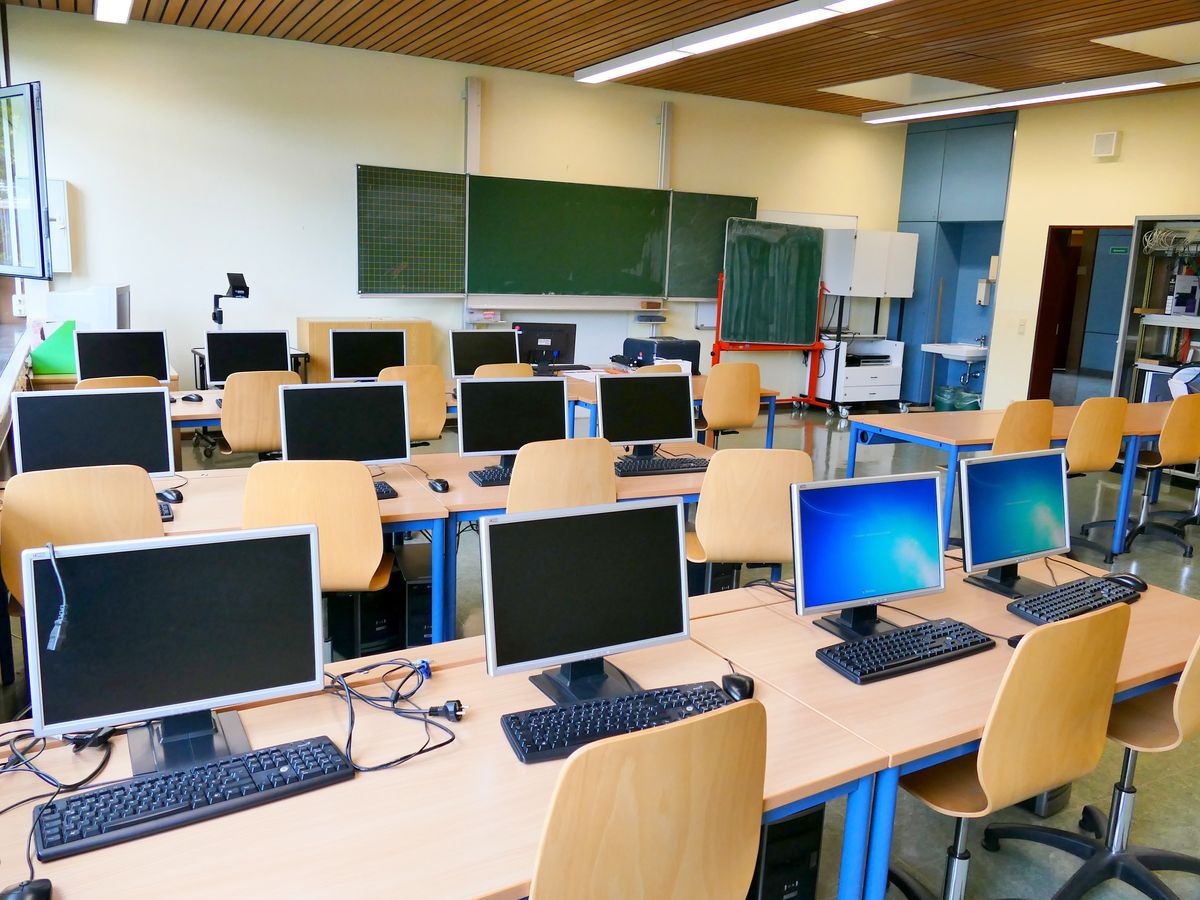
The landscape of education is being reshaped by AI-Enabled Teaching Tools that cater to the individual student's needs, ensuring that each learner is fully engaged and receives the most effective educational materials. AI for Student Engagement goes beyond traditional teaching methods, creating a dynamic learning environment that adapts in real-time to the learner's progress and preferences.
AI for Education Analytics plays a pivotal role in this transformation, offering educators unprecedented insights into student performance and engagement. This data-driven approach allows for the continuous refinement of teaching strategies and educational content, ensuring that the learning experience is always aligned with the student's evolving needs.
- AI-Assisted Tutoring Systems provide personalized support, filling gaps in understanding and offering tailored guidance.
- AI in Classroom Innovation introduces interactive elements that make learning more captivating and relevant.
- Enhanced Collaboration through AI fosters inclusivity and teamwork, connecting students across diverse backgrounds.
The integration of AI into education heralds a new era of customized learning journeys. By embracing AI-Enabled Teaching Tools, educational institutions are unlocking new possibilities and setting students on the path to achieving their full potential. Remember, the revolution in education is now, and it is powered by AI.
Embrace the change. Empower the future. Engage with AI.
Virtual Reality and Simulations in Learning
The integration of Virtual Learning with AI is not just a futuristic concept; it's a present-day reality that's reshaping the educational landscape. Imagine medical students performing intricate surgical procedures without the risk of a single incision, or history buffs wandering ancient ruins—all from the safety of a classroom. This is the power of Virtual Reality (VR) and simulations when combined with the analytical prowess of AI.
The synergy between AI and VR in education creates a sandbox for the mind, where mistakes are lessons and curiosity is the only limit.
AI-driven VR experiences are more than just visually stunning; they are smart. These systems can track a student's progress, adapt to their learning style, and provide real-time feedback. For instance, nursing students using VR can practice clinical skills in a variety of scenarios, from emergency room crises to routine patient assessments, honing their decision-making and clinical judgment.
The table below highlights the transformative impact of AI-powered VR on different fields of study:
| Field of Study | Application of AI-powered VR |
|---|---|
| Medicine | Surgical procedure simulations |
| Nursing | Clinical skills and decision-making practice |
| History | Exploration of historical sites |
As we continue to push the boundaries of what's possible in education, it's crucial to stay informed and engaged with these advancements. Embrace the revolution—explore how Virtual Learning with AI can elevate your educational journey or institution. Dive into the world of AI-powered custom web applications and witness education's evolution firsthand.
The Role of AI in Collaborative Education
The integration of AI in Curriculum Design is not just about the individual learner; it's also transforming the collaborative landscape of education. AI systems, when paired with the expertise of educators, can create dynamic group learning experiences that are both inclusive and effective. Educators are essential in guiding AI to align with educational goals, ensuring that the technology serves as a powerful ally in the learning process.
- Enhanced collaboration through AI is a game-changer for students. Virtual classrooms and AI-powered tools break down geographical barriers, allowing students from diverse backgrounds to connect and collaborate. This not only enriches the learning experience but also prepares students for a globalized workforce.
The advantages of AI in the classroom extend to fostering a community where every student feels included and empowered to contribute.
The promise of AI in education is vast, with benefits ranging from personalized learning to real-time feedback. By embracing AI, educators can craft learning environments that are more efficient and tailored to the needs of modern learners. Remember, the future of education is collaborative, and AI is the key to unlocking its full potential. Don't miss out on the revolution—explore how AI can enhance your educational programs today.
The Future of AI in Education and Potential Challenges

Predicting Trends in AI Educational Tools
As we stand on the brink of further technological advancements, Educational AI Software Development is poised to redefine the educational landscape. AI-driven analytics offer insights for strategic decision-making, predictive analytics shape outcomes, and AI-enhanced analysis navigates market trends for competitive advantage. The AI Impact on Education is not just a fleeting trend; it's a transformative force that will continue to evolve and adapt, much like the learners it aims to serve.
The potential of AI to tailor educational experiences to individual needs is unprecedented. It enables educators to not only react to student performance but also to anticipate and shape it through adaptive learning technologies.
In the realm of Educational AI Software Development, we can anticipate a surge in tools that:
- Provide real-time feedback and assessments
- Enable immersive and interactive learning experiences
- Offer predictive insights into student learning patterns
- Facilitate data-driven decision-making for institutions
These innovations will require educators and institutions to stay informed and agile, adapting to the ever-changing educational environment. Tips for effective AI implementation will become invaluable as we navigate this exciting frontier. The journey towards a more personalized, efficient, and engaging education system is just beginning, and the role of AI is central to this transformation.
Addressing Ethical and Privacy Concerns
In the realm of AI-powered education, the excitement of innovation must be balanced with a vigilant approach to ethical and privacy issues. The safeguarding of student and faculty data is paramount, and it necessitates a framework that is as sophisticated as the technology it aims to regulate. EdTech providers are thus compelled to implement robust data privacy, security, and governance policies.
- Establish clear guidelines for data handling
- Communicate transparently about data usage
- Adopt advanced security measures
These steps are critical in maintaining trust and ensuring that the educational benefits of AI are not overshadowed by concerns over data misuse. Moreover, the cost and accessibility of technology, along with the need for educator training, are additional layers that require careful consideration.
The integration of AI in education demands a proactive stance on ethical practices and privacy protection, ensuring that the digital literacy and educational support provided are secure and responsible.
As we move forward, it is essential for educational institutions to not only embrace the potential of AI but also to enhance safety and security measures. This will involve ongoing training and support, ensuring that all stakeholders are equipped to handle the complexities of data science in education. Let us commit to a future where technology empowers learning while upholding the highest standards of ethical responsibility.
Preparing for the Next Wave of AI in Education
As we stand on the cusp of the next wave of AI in education, it is imperative to equip ourselves with the right strategies and tools. The future of education hinges on our ability to harness AI effectively, ensuring that it aligns with pedagogical goals and enhances the learning experience. To prepare for this transformative era, educators and institutions must consider the following:
- Embracing the continuous evolution of AI technology and its educational applications.
- Developing robust data governance policies to address privacy and ethical concerns.
- Investing in professional development to empower educators with AI literacy.
The key to thriving in the forthcoming AI revolution in education is adaptability and a commitment to lifelong learning.
Furthermore, the economic benefits of AI in education are substantial, offering a competitive edge to those who integrate these technologies strategically. By leveraging platforms like OpenAI Feather and SIU Business GPT Fleet, educational institutions can scale and customize their services, democratizing AI development and marketing AI innovations. As we navigate this journey, let us remember that the ultimate goal is to enrich the educational landscape, making it more accessible, engaging, and effective for every learner.
Conclusion
In summary, the advent of AI-powered custom web applications marks a transformative era in education, offering unprecedented personalization and efficiency in learning. By harnessing the capabilities of AI, these applications provide adaptive learning experiences, automate routine tasks, and create dynamic educational environments that cater to the diverse needs of students and educators alike. The potential of AI to tailor educational content, provide intelligent tutoring, and facilitate immersive learning through VR and simulations is not only enhancing student engagement but also reshaping pedagogical approaches. As we continue to witness the integration of AI in education, it becomes clear that these technologies are not mere adjuncts but fundamental drivers of a more inclusive, interactive, and effective educational landscape. The future of education, underpinned by AI innovations, promises a more personalized and empowering journey for learners around the globe, equipping them with the skills and knowledge necessary to thrive in an increasingly complex world.
Frequently Asked Questions
What is the role of AI in personalized learning?
AI plays a critical role in personalized learning by analyzing student data to tailor educational content and learning paths to individual needs, preferences, and pace, thereby enhancing the learning experience.
How are AI-powered applications transforming educational administration?
AI-powered applications streamline administrative tasks by automating processes such as scheduling, grading, and data management, thereby increasing efficiency and allowing educators to focus more on teaching.
Can AI improve student engagement in education?
Yes, AI can significantly improve student engagement by providing interactive and customized learning experiences, utilizing tools like intelligent tutoring systems, virtual reality, and simulations.
What are some examples of AI in education?
Examples of AI in education include adaptive learning platforms like Khan Academy and Coursera, intelligent tutoring systems, and immersive learning experiences through VR and simulations.
What are the potential challenges of implementing AI in education?
Challenges include addressing ethical and privacy concerns, ensuring data security, managing the cost of implementation, and providing adequate training for educators to effectively use AI tools.
How does AI contribute to the future of education?
AI contributes to the future of education by enabling personalized and adaptive learning, automating administrative tasks, and providing engaging and immersive educational experiences, while also presenting new challenges and opportunities for innovation.


Comments
Post a Comment