How AI-Driven Custom Web Applications Are Revolutionizing Personalized Education
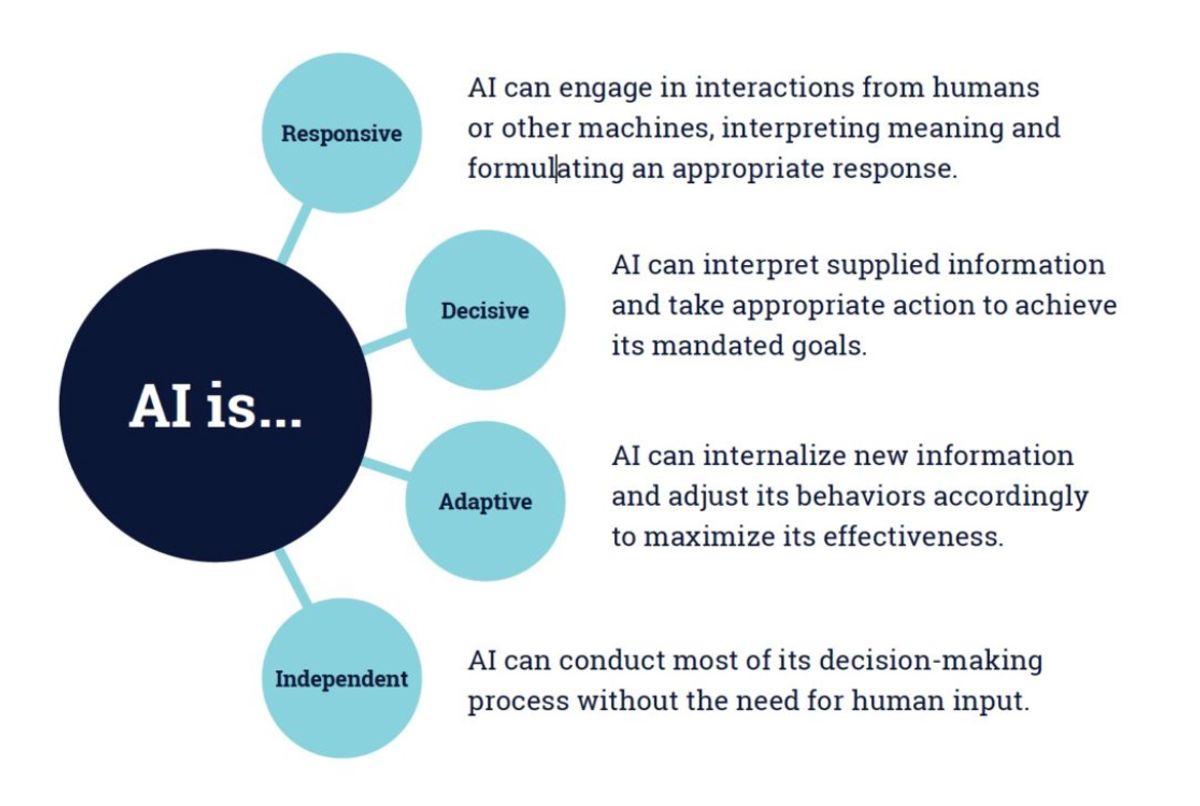
Artificial Intelligence (AI) is rapidly becoming a cornerstone of modern education, offering unprecedented personalization and efficiency in learning. This article delves into the transformative effects of AI-driven custom web applications on personalized education, examining how they cater to individual learning styles, automate routine tasks, and create immersive educational experiences. We will explore the integration of AI in education, the emergence of virtual tutors, and the far-reaching implications of these innovations for the future of learning.
Key Takeaways
- AI integration in education customizes learning experiences, enabling adaptive technologies that respond to individual student needs.
- Automated administrative solutions and virtual tutors powered by AI save time for educators and provide tailored support for students.
- AI-driven applications like Khan Academy and Coursera showcase the practical benefits of adaptive learning platforms in real-world scenarios.
- Beyond personalization, AI's comprehensive impact in education includes automating tasks, generating insights from data, and enhancing engagement.
- The future of education will be shaped by AI innovations such as intelligent tutoring systems and immersive VR learning environments.
The Integration of AI in Custom Web Applications for Education
Adaptive Learning Technologies
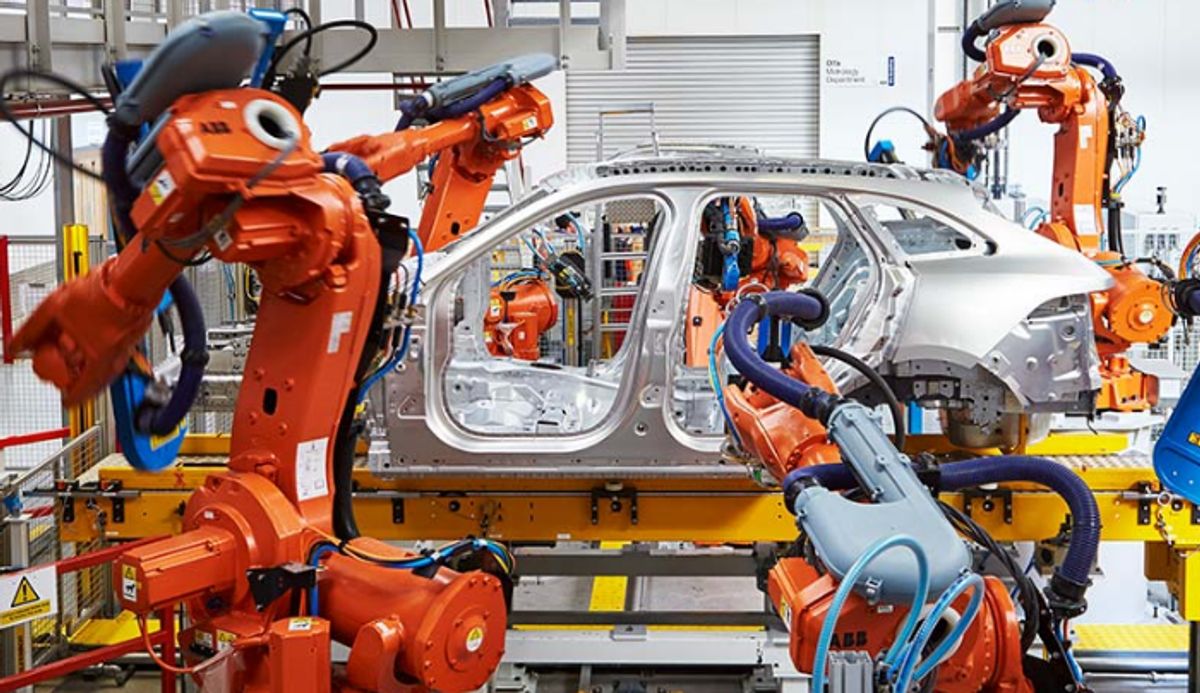
The realm of AI in Educational Technology is rapidly evolving, and at its heart lies the promise of AI Adaptive Learning Systems. These systems are not just a futuristic ideal but a present-day reality, reshaping the landscape of personalized education. Imagine a learning environment that intuitively adapts to the individual's pace, style, and understanding - this is the power of AI in curriculum design.
Adaptive learning platforms use sophisticated algorithms to analyze student performance and learning habits, dynamically adjusting the curriculum to meet each learner's specific needs. This approach not only accommodates different learning styles but also ensures that each student can thrive in a setting that is most conducive to their success. The benefits are manifold:
- Personalized learning experiences that cater to individual strengths and weaknesses
- Real-time feedback and adjustments to the learning path
- Enhanced engagement through tailored challenges and content
Moreover, AI for Education Accessibility is breaking down barriers, offering equal opportunities for learners regardless of their background or abilities. By providing support where it's needed most, AI is democratizing education and fostering inclusive learning communities.
In the pursuit of educational excellence, AI-driven adaptive learning technologies are not just enhancing learning experiences; they are revolutionizing them.
As we delve deeper into the capabilities of AI in education, it's crucial to recognize the strategic role it plays. Bles Software offers insights on AI, technology, and software solutions for businesses at various stages, emphasizing the strategic implementation of AI for scalable growth and efficiency. The journey towards a more personalized and effective educational system is underway, and AI is the compass guiding us forward. Embrace the change, and be part of the revolution in personalized education.
Automated Administrative Solutions
The advent of AI in Education Management has ushered in a new era of administrative efficiency. By automating mundane tasks such as grading assignments and scheduling classes, AI liberates educators from the shackles of routine, enabling a deeper focus on teaching and mentorship. Imagine a world where educators spend less time on paperwork and more on inspiring young minds.
AI-driven solutions are not just about efficiency; they are about redefining the educational landscape. From streamlining sales processes to enhancing customer insights, AI in education mirrors the transformative impact seen in customer relationship management (CRM) systems. This parallel underscores the potential for AI to foster not only administrative efficiency but also personalized product innovation and market expansion.
In the realm of administrative processes, AI's capabilities are vast and varied. Here's a glimpse into how AI is reshaping educational administration:
- Automated Grading Systems: Swiftly evaluates student work, providing immediate feedback.
- Course Material Organization: Efficiently manages and distributes educational content.
- Class Scheduling: Optimizes timetables, accommodating both faculty and student needs.
- Admissions and Enrollment: Streamlines the application and registration processes.
The integration of AI into these processes not only enhances operational efficiency but also supports the continuous improvement of educational content and curricula. By analyzing student performance data, AI can recommend adjustments to ensure that learning materials remain relevant and impactful.
Interactive and Engaging Educational Environments
In the realm of Educational AI Software Development, the creation of dynamic and engaging learning environments is pivotal for student achievement. AI-Enabled Teaching Tools are transforming the educational landscape by introducing an interactive dimension that not only enhances comprehension but also significantly boosts retention rates. Imagine the power of virtual field trips or hands-on simulations in subjects like science, engineering, and medicine, all made possible through the integration of AI for Student Engagement.
The key to unlocking the full potential of AI in education lies in its ability to tailor the learning experience to the individual needs and preferences of each student.
Interactive maps, for instance, serve as a valuable educational tool, allowing students to explore various topics and understand spatial relationships in an active learning setting. By weaving in interactive quizzes, puzzles, or games, these maps transform the learning process into something that is not just informative, but also entertaining and memorable.
B3 B's approach to enhancing learning outcomes is a testament to the effectiveness of a more engaging, interactive, and personalized educational environment. With technology at the helm, students find themselves more motivated and actively engaged, leading to a learning experience that is tailored to their unique learning paths.
Personalized Learning Paths Enabled by AI
Customized Learning Experiences
In the realm of education, Personalized Learning AI Solutions are not just a futuristic concept but a present-day reality transforming the learning landscape. These solutions are meticulously designed to cater to the unique learning styles, paces, and interests of each student, ensuring that education is not a one-size-fits-all model but a tailored experience that resonates with the individual learner.
- Adaptive Learning Systems: These systems dynamically adjust the difficulty and type of content based on the learner's performance, providing a truly customized experience.
- Feedback and Assessment Tools: Immediate and personalized feedback helps students understand their progress and areas that need improvement.
- Content Customization: AI enables the creation of learning modules that align with each student's abilities and goals, making education more relevant and effective.
The shift towards personalized education is evident in the way students engage with material, receive feedback, and are challenged. This approach not only fosters a deeper understanding but also supports diverse learning pathways, allowing every student to reach their full potential. The table below illustrates the contrast between traditional and personalized learning approaches:
| Aspect | Traditional Learning | Personalized Learning AI Solutions |
|---|---|---|
| Pace | Fixed for all students | Tailored to individual's speed |
| Content | One-size-fits-all | Customized to student's needs |
| Feedback | Periodic and general | Immediate and specific |
| Engagement | Passive reception | Active participation |
The integration of AI in education is not merely an enhancement; it is a complete reimagining of how we approach teaching and learning. It is a journey from a standardized path to a personalized odyssey.
As we continue to leverage AI for personalized customer experiences, the potential for operational efficiency and strategic decision-making in education becomes increasingly clear. The transformative power of AI analytics paves the way for growth and loyalty in the educational sector. Embrace the change, and witness how AI-driven custom web applications are revolutionizing personalized education.
Real-World AI Education Use Cases
The landscape of education is being transformed by AI, with customized learning experiences taking center stage. International businesses and IT consulting organizations are at the forefront, developing AI-based EdTech applications that are not only innovative but also user-friendly. One such example is the work of Stas Sorokin, who provides exceptional AI consultation services, ensuring that educational solutions are tailored to individual needs and resonate with deep technical expertise.
- GOOGLE's AI tools are reshaping educational content, making it more accessible and personalized.
- SMART CONTENT GENERATION is another area where AI excels, creating dynamic learning materials that adapt to student performance.
AI's role in education extends beyond the classroom. It prepares students for the future workforce, fostering digital literacy and problem-solving skills essential for thriving in an AI and automation-driven world. Moreover, AI bridges the gap between formal education and real-world applications, offering experiential learning through virtual reality simulations and gamified experiences.
By integrating AI into education, we unlock a world of possibilities where learning is not just personalized but also deeply engaging and relevant to real-world challenges.
The Role of AI in Lifelong Learning
In the landscape of modern education, AI stands as a beacon of personalization, guiding learners through a journey tailored to their unique needs and aspirations. The pursuit of knowledge is no longer confined to the walls of a classroom; it is an enduring quest that spans the entirety of one's life. AI-driven platforms are the compasses that navigate through this expansive learning terrain, offering direction and support at every turn.
The essence of AI in education lies in its ability to mold itself to the contours of each learner's journey, making education not just a phase but a companion for life.
AI's role in lifelong learning is not just theoretical; it is quantifiable and impactful. Learners are no longer passive recipients of knowledge but active participants in their educational odyssey. Here's how AI is making a difference:
- Adaptive Learning: AI algorithms swiftly identify individual strengths and weaknesses, personalizing the learning process.
- Continuous Support: Virtual tutors provide round-the-clock assistance, ensuring that learning never hits a pause.
- Career Development: AI-driven tools offer guidance on skill acquisition and career planning, aligning education with future goals.
As we embrace the potential of AI to foster a culture of continuous learning, we must also recognize the responsibility that comes with it. It is incumbent upon educators, developers, and policymakers to ensure that these technologies are accessible and equitable, paving the way for a future where education is a lifelong pursuit for all. Engage with AI in your learning journey and witness the transformation in your educational experience.
The Role of Virtual Tutors in AI-Driven Education
Adaptive Learning Platforms
Adaptive learning platforms stand at the forefront of AI's transformative impact on education. These AI-Driven Learning Platforms use AI to analyze individual student performance and learning habits, adjusting the curriculum in real-time to suit each learner's unique needs. By catering to different learning styles and paces, adaptive learning ensures a more personalized and effective educational experience.
Students receive immediate feedback and tailored challenges, fostering a deeper understanding of the material and enhancing the overall learning journey.
Traditional educational models often struggle to address the diverse learning styles, interests, and paces of individual students within a classroom setting. However, AI-powered adaptive learning platforms are designed to overcome these challenges by leveraging data analytics and machine learning algorithms to provide personalized learning experiences.
These platforms analyze vast amounts of data, including students' learning patterns, preferences, performance history, and even biometric data, to create individualized learning paths. By understanding how each student learns best, AI can dynamically adjust the pace, content, and delivery method of instruction to optimize engagement and comprehension. In the realm of Virtual Learning with AI, these platforms are not just a tool but a revolution in education, ensuring that every student's needs are met with precision and care.
Discover how Stas Sorokin's expertise in AI development can enhance your educational web applications. Dive into the world of personalized learning and experience the difference.
Data-Driven Student Support
In the realm of personalized education, data-driven student support stands out as a transformative force. By harnessing the power of AI-driven analytics, educators can now delve into the intricacies of each student's learning journey. This approach not only tailors the educational experience to individual needs but also fosters a deeper connection between students and the material.
With AI, the support provided to students becomes a mirror reflecting their unique learning patterns and challenges.
For instance, AI algorithms can pinpoint where a student might be struggling and orchestrate precise interventions. This could range from offering additional resources to adjusting the difficulty level of the material. The result is a more engaging and effective learning environment that adapts in real-time to the student's progress.
Here's how AI contributes to student support:
- It evaluates the student's problem-solving strategies and provides targeted assistance.
- It leverages data to improve satisfaction and reduce learning bias.
- It offers 24/7 support through conversational AI, ensuring help is always at hand.
- It generates data-driven insights to guide educators in creating impactful interventions.
By integrating these elements, AI not only personalizes education but also elevates it to new heights of efficiency and effectiveness. As we continue to explore the capabilities of AI in education, the potential for truly individualized learning experiences becomes increasingly tangible.
Case Studies: Khan Academy and Coursera
The transformative power of AI in education is vividly illustrated through the success stories of Khan Academy and Coursera. These platforms have harnessed AI to create adaptive learning experiences that cater to the individual student's needs, ensuring that each learner is not just a number, but a unique individual with distinct learning paths.
By leveraging AI, these educational giants have set a precedent for personalized learning, demonstrating the profound impact of technology on education.
Khan Academy and Coursera have utilized AI to analyze vast amounts of data, including learning patterns and performance history, to tailor content and recommendations. This data-driven approach has led to significant improvements in student engagement and comprehension. Here's how they stand out:
- Khan Academy focuses on providing a personalized learning dashboard that guides learners through a mastery learning system.
- Coursera partners with universities to offer courses that adapt to varying levels of knowledge and learning speeds.
The results speak for themselves, with both platforms reporting increased retention rates and positive feedback from users. As we delve deeper into the capabilities of AI in education, it's clear that the potential for growth and innovation is boundless. Embrace the future of learning by exploring how AI can be integrated into your educational strategies. The journey towards a more personalized and effective education system is just beginning.
Beyond Personalization: The Comprehensive Impact of AI on Education
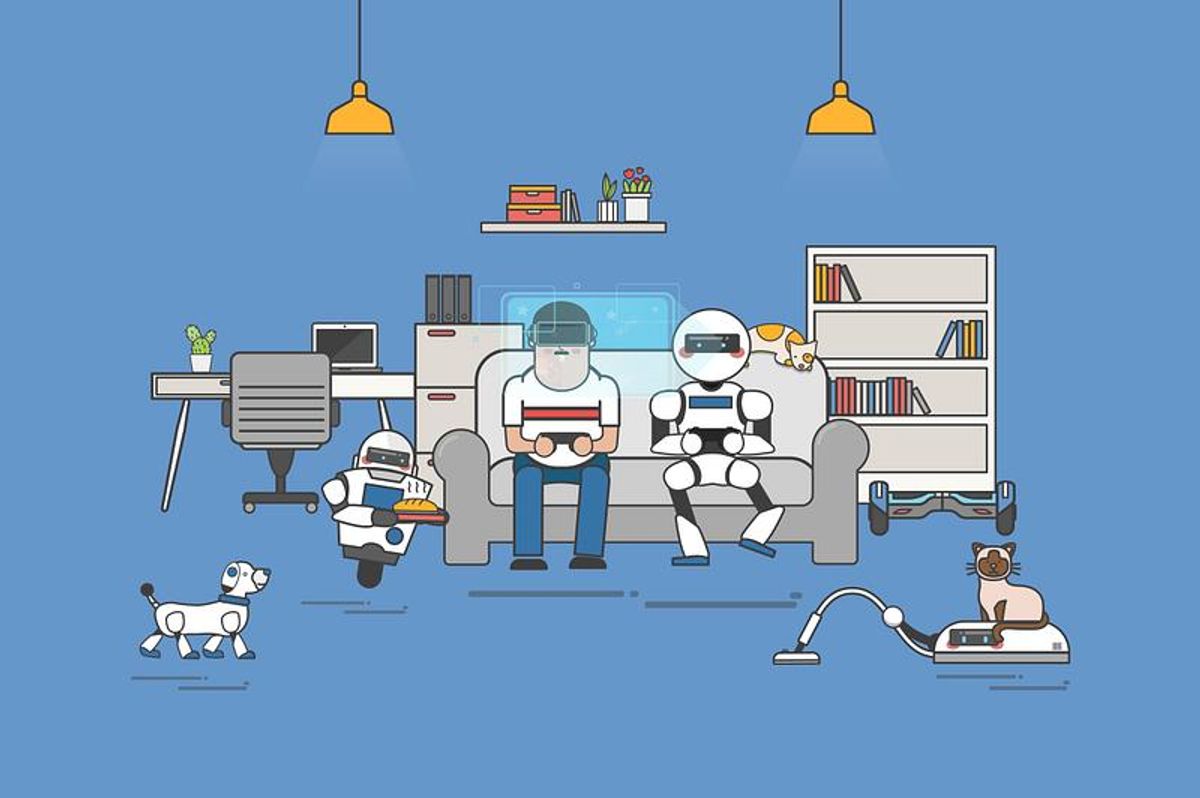
Automating Time-Consuming Tasks
In the realm of education, the integration of AI is not just about enhancing the learning experience but also about streamlining administrative processes. AI-driven systems are adept at handling a multitude of tasks that, while necessary, can be repetitive and time-consuming for educators. By automating these tasks, AI allows teachers to redirect their focus towards what truly matters: fostering a nurturing and personalized educational environment for each student.
Consider the following tasks that AI can automate:
- Grading of quizzes and assignments
- Attendance tracking and reporting
- Scheduling of classes and events
- Organizing course materials and resources
The liberation of educators from the shackles of routine administrative tasks is a testament to the transformative power of AI in education.
The benefits of such automation are manifold. Educators are afforded the luxury of time—time that can be invested in crafting more engaging lessons, providing one-on-one support, and designing personalized learning experiences that resonate with each student's unique needs. The ripple effect of this shift is profound, as it not only elevates the quality of education but also nurtures a more profound connection between educators and learners.
As we embrace AI-driven personalization in education, let us not forget the underlying goal: to enhance customer engagement by tailoring experiences with precision. In the context of education, this means creating hyper-curated learning paths that build a strong foundation for lifelong learning and brand loyalty to educational institutions. The future beckons with the promise of AI as a steadfast ally in the quest for educational excellence.
Data Analysis and Insight Generation
In the realm of personalized education, AI for Education Analytics is not just a tool; it's a transformative force. By harnessing the power of AI-driven analytics, educators are now able to delve into the depths of educational data, uncovering insights that were once obscured by the sheer volume and complexity of information. This analytical prowess translates into a more nuanced understanding of student learning patterns, enabling the creation of highly tailored educational experiences.
The AI Impact on Education is evident as educators move from a one-size-fits-all teaching approach to a data-informed strategy. AI algorithms can analyze large datasets to identify patterns and trends in student performance, which educators can leverage to make informed decisions, identify areas for improvement, and design targeted interventions. Here's how AI analytics is shaping the educational landscape:
- Predictive Analytics: Anticipating student challenges and successes.
- Personalized Feedback: Crafting individualized responses based on performance data.
- Intervention Strategies: Implementing timely support to address learning gaps.
The synergy between AI and education analytics is paving the way for a future where every learner's potential is maximized through personalized attention and support.
As we witness the AI-driven analytics revolutionize customer engagement in other sectors, leading to brand loyalty and substantial revenue growth, it's clear that the education sector stands on the brink of a similar transformation. The call to action for educators and institutions is to embrace these AI tools, to not only enhance learning outcomes but to also foster an environment where education is a lifelong, continuously adaptive journey.
Enhancing Learning Through Personalization
The transformative power of AI in education is most evident when it comes to personalization. By tailoring learning experiences to individual student needs, AI-driven custom web applications are not only revolutionizing education but also ensuring that each learner can thrive in their unique educational journey.
Personalized learning represents a paradigm shift from the 'one-size-fits-all' model to a more nuanced approach that considers the diverse abilities, learning gaps, and aspirations of students.
To achieve this, AI systems analyze a wealth of user data, including demographics, learning behaviors, and preferences. This analysis leads to the creation of personalized learning paths, ensuring that every student receives the right level of challenge and support. For example:
- A student grappling with algebra might receive targeted exercises and visual aids.
- A high-performing student in literature could be given access to advanced analysis of classic texts.
Customization in AI-driven solutions is not just a feature—it's a competitive advantage. It's the key to unlocking potential, fostering innovation, and maintaining relevance in a rapidly evolving educational landscape. Embrace the change, and let AI take your educational offerings to the next level.
The Future of Education Shaped by AI Innovations

Intelligent Tutoring Systems
In the realm of personalized education, AI-Assisted Tutoring Systems stand at the forefront, offering a transformative approach to individual learning. These systems are not mere digital platforms; they are sophisticated allies in the educational journey, adapting to the unique needs of each student. By analyzing responses and tailoring instruction, AI-driven tutors ensure that every learner receives the precise support and challenge they require.
AI-Assisted Tutoring Systems are the embodiment of a personalized educational experience, seamlessly integrating with a student's learning path to provide real-time feedback, assessments, and adaptive learning strategies.
The impact of these systems is measurable, with students experiencing enhanced understanding and retention of material. The table below illustrates the effectiveness of AI-Assisted Tutoring Systems in various educational settings:
| Setting | Improvement in Learning Outcomes |
|---|---|
| K-12 Education | Significant |
| Higher Education | Noticeable |
| Professional Training | Substantial |
Embrace the future of education by exploring the potential of AI-Assisted Tutoring Systems. As we continue to delve into the capabilities of these intelligent platforms, we invite you to join us in this educational revolution. Your journey towards a more personalized and efficient learning experience begins here.
Immersive Learning with VR and Simulations
The fusion of AI with VR and simulation technologies heralds a new era in educational engagement. Students are no longer passive recipients of knowledge; they are active participants in a virtual learning landscape. By simulating real-world environments, these technologies enable experiential learning that is both safe and controlled, yet deeply engaging.
The potential of VR and AR in education extends beyond traditional learning methods, offering a visual and interactive dimension that significantly enhances comprehension and retention.
Here's how immersive technologies are shaping learning experiences:
- Virtual field trips transport students to historical sites, global landmarks, or even outer space.
- Medical students practice surgical procedures in realistic virtual environments, honing their skills without risk.
- Engineering simulations allow for the testing and modification of designs in a cost-effective and timely manner.
AI empowers businesses with data-driven insights for personalized customer experiences, improved decision-making, and competitive edge. In the realm of education, this translates to tailored learning experiences that adapt to each student's pace and style. Real-time data analysis within simulations ensures that feedback is both immediate and relevant, fostering a growth mindset and a culture of continuous improvement.
Embrace the future of education by exploring the possibilities of VR and AI. Dive into immersive learning and watch as students achieve mastery through experience. The journey begins with a single step into the virtual world.
Case Studies and Tips for Effective AI Implementation
The transformative power of AI in Classroom Innovation is not just a promise; it's a reality unfolding across educational landscapes. Case studies, such as IBM Watson's foray into education, exemplify the profound impact AI can have on learning outcomes and teaching methodologies. But to harness this potential, effective implementation is key.
The journey of integrating AI into educational practices is marked by identifying opportunities where AI can add the most value. This includes personalized learning, administrative automation, assessment, and support services.
To ensure a successful AI adoption, consider the following steps:
- Identify specific educational needs that AI can address.
- Prioritize privacy and data security to protect student information.
- Establish clear guidelines for AI usage and communicate them transparently.
- Monitor and evaluate AI systems regularly to ensure they meet educational goals.
As AI continues to evolve, so too will its applications in education. By staying informed and applying these tips, educators and institutions can lead the charge in creating a more personalized, engaging, and effective learning environment. Embrace the future of education with AI, and join the ranks of those who are already seeing the benefits of this technological revolution. Your next step? Start planning your AI implementation strategy today.
Conclusion
In conclusion, the advent of AI-driven custom web applications in education heralds a new era of personalized learning, where technology meets the unique needs of each student. The integration of AI into educational platforms not only streamlines administrative processes but also enriches the learning experience by adapting to individual learning styles, preferences, and paces. As we have seen through various case studies and real-world applications, AI's capacity to analyze data and provide tailored educational content is transforming the educational landscape. The future of education, with AI at the helm, promises a more inclusive, efficient, and engaging environment for learners and educators alike. The potential for AI to further revolutionize education is immense, and as technology continues to evolve, so too will the opportunities for enhancing the learning journey for students around the globe.
Frequently Asked Questions
How is AI personalizing the learning experience in education?
AI personalizes the learning experience by analyzing student performance data to tailor educational content to individual learning styles, needs, and pace. It adapts in real-time, providing customized learning paths and recommendations to help each student achieve their full potential.
What administrative tasks can AI automate in educational institutions?
AI can automate a range of administrative tasks, including grading, attendance tracking, scheduling, and student inquiries through chatbots. This automation frees up educators to focus more on teaching and student engagement.
Can you provide examples of AI-driven web applications in education?
Examples of AI-driven web applications in education include adaptive learning platforms like Khan Academy and Coursera, which use AI algorithms to personalize learning experiences and provide data-driven insights into student progress.
What role do virtual tutors play in AI-driven education?
Virtual tutors in AI-driven education provide personalized assistance, guidance, and feedback to students. They use AI to understand student queries, assess their knowledge level, and deliver customized help to support their learning journey.
How does AI contribute to lifelong learning?
AI contributes to lifelong learning by offering flexible and personalized learning opportunities that can be accessed at any stage of life. It enables continuous skill development by adapting to changing educational needs and career goals.
What is the future of AI in education, and how can it be effectively implemented?
The future of AI in education includes intelligent tutoring systems, immersive learning with VR, and personalized learning experiences. Effective implementation requires careful integration with curriculum, teacher training, and ensuring ethical use of student data.


Comments
Post a Comment