How AI-Driven Custom Web Applications Are Revolutionizing Education
The integration of Artificial Intelligence (AI) into the education sector is a transformative movement that is reshaping the landscape of learning and teaching. By leveraging the capabilities of AI-driven custom web applications, education is experiencing a revolution that is personalizing learning experiences, streamlining administrative processes, and creating dynamic, interactive environments for students and educators alike. This article dives into the various ways AI is revolutionizing education, from adaptive learning platforms to intelligent administrative tools, and discusses the real-world impact and ethical considerations of this technological advancement.
Key Takeaways
- AI-driven custom web applications are enabling personalized learning experiences, adapting to individual student needs and preferences.
- Intelligent AI systems are automating administrative tasks, enhancing assessment and grading, and aiding in curriculum development, thus increasing efficiency in educational institutions.
- Interactive AI tools such as educational games, chatbots, and virtual assistants are making learning more engaging and accessible for students.
- Real-world applications and case studies show that global brands and educational institutions are successfully integrating AI to improve learning outcomes and operational effectiveness.
- While AI in education presents numerous benefits, it is crucial to address ethical concerns, ensure fairness in AI algorithms, and promote equitable access to these technologies.
The Advent of Personalized Learning Through AI
Adaptive Learning Platforms and Customized Content
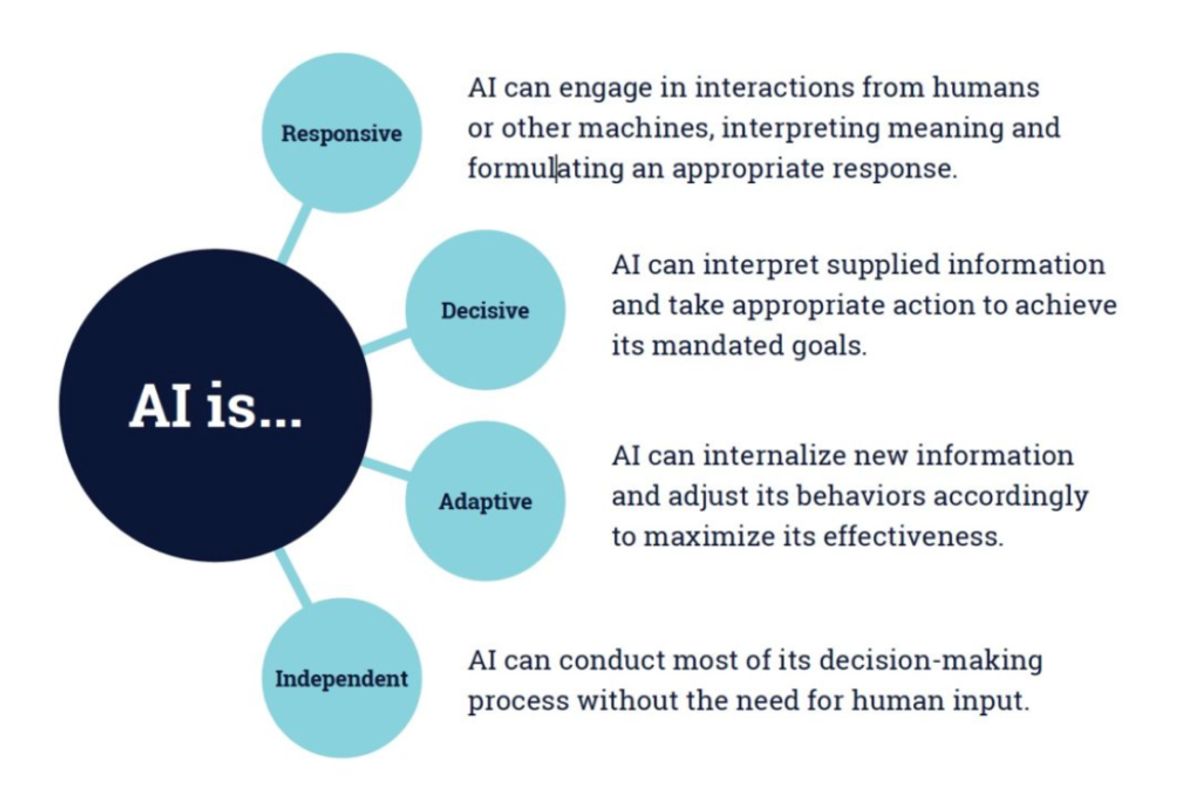
Imagine a classroom where every student receives a unique, tailored educational experience, where the pace and style of learning are meticulously adjusted to their individual needs. This is no longer a figment of the imagination but a reality made possible by adaptive learning platforms powered by artificial intelligence. These platforms are revolutionizing the way we understand and engage with educational content, ensuring that no student is left behind.
- Personalized instructions cater to each student's learning style.
- Immediate feedback and tailored challenges enhance understanding.
- Data analysis provides insights into student progress and performance.
By leveraging AI, educators can now create a learning environment that adapts in real-time, offering a truly personalized education journey for each student.
The benefits of such a system are manifold, leading to increased motivation, engagement, and a deeper grasp of the subject matter. As we continue to explore the potential of AI in education, it is crucial to recognize the transformative power of adaptive learning platforms. They are not just tools but catalysts for a fundamental shift in educational paradigms.
Join us in embracing this shift and witness how AI-driven custom web applications are not just enhancing education but redefining it. Let's explore together the endless possibilities that await in the realm of personalized learning.
Intelligent Tutoring Systems and Individualized Instruction
In the realm of education, AI-Assisted Tutoring Systems are breaking new ground by offering an unparalleled level of personalized support and instruction. These systems are not mere static repositories of information; they are dynamic entities that learn from and adapt to each student's unique learning trajectory. By leveraging AI Adaptive Learning Systems, students are no longer passive recipients of knowledge but active participants in a tailored educational journey.
AI-driven Intelligent Tutoring Systems (ITS) are transforming the educational landscape by providing individualized learning experiences that were once the exclusive domain of private tutoring.
These systems meticulously analyze student responses, identify areas of struggle, and present material in a way that resonates with their learning style. The result is a more engaging and effective learning process that can lead to significant improvements in comprehension and retention. Below is a list of key benefits that ITS offer:
- Personalized feedback and guidance
- Adaptive content that aligns with individual learning paces
- Real-time assessment and adjustment of teaching strategies
As we continue to explore the potential of these sophisticated educational tools, it is crucial to recognize the impact they have on students' academic success. Embrace the future of learning with AI-Assisted Tutoring Systems and witness the transformation in education. Let's not just imagine a future of personalized learning—let's build it together.
Data-Driven Insights into Student Learning Patterns
In the realm of education, Personalized Learning AI Solutions are not just a futuristic concept; they are here, transforming the educational landscape with precision and adaptability. These solutions harness the power of AI-driven analytics to revolutionize the way educators understand and interact with their students. By meticulously analyzing student data, AI provides actionable insights that lead to more effective teaching strategies and improved learning outcomes.
The predictive analytics aspect of AI in education is particularly groundbreaking. It sifts through vast amounts of behavioral, engagement, and performance data to unveil patterns that can predict student success. This foresight allows for early intervention and the customization of learning experiences, ensuring that each student's journey is as unique as their potential.
The benefits of leveraging AI in education are manifold:
- Personalized instructions tailored to individual student needs
- Enhanced motivation and engagement
- Insightful data analysis for tracking student progress
- Adaptive learning platforms that adjust to student aptitude
- Streamlined administrative processes
- On-demand assistance from chatbots and virtual tutors
- Automation of repetitive tasks, freeing educators to focus on teaching
As we delve deeper into the capabilities of AI, it becomes clear that the traditional one-size-fits-all approach to education is becoming obsolete. The call to action for educators and institutions is to embrace these AI-driven tools to create a more personalized, engaging, and efficient learning environment. The future of education is not just about teaching; it's about understanding each student's unique learning pattern and crafting an educational experience that ignites their passion for learning.
Streamlining Educational Administration with AI

Automating Routine Administrative Tasks
In the digital age, the administrative machinery of education is undergoing a transformative shift, thanks to AI. Routine tasks that once consumed hours of educators' time are now being automated, freeing up valuable resources to enhance the teaching and learning experience. AI-driven systems are adept at handling a myriad of administrative duties, from grading to scheduling, with unprecedented efficiency.
- Automated grading systems evaluate student work using advanced algorithms, offering immediate feedback.
- Scheduling tools optimize class timetables and manage resource allocation seamlessly.
- AI chatbots address student inquiries, providing instant support and reducing staff workload.
By delegating these tasks to intelligent machines, educational institutions are witnessing a surge in operational productivity, allowing educators to refocus on what truly matters: nurturing the minds of tomorrow.
The impact of AI on administrative efficiency is not just a promise; it's a reality that's reshaping the educational landscape. As we continue to embrace these innovations, let us commit to the pursuit of excellence in education. Engage with the latest AI tools and be part of the revolution that is setting new benchmarks in educational administration. Are you ready to take the leap?
Enhancing Assessment and Grading with AI Tools
The integration of AI tools in assessment and grading is not just a futuristic concept; it's a present-day reality that's reshaping the educational landscape. Automated grading systems, powered by natural language processing and machine learning algorithms, are providing immediate, personalized feedback to students, revolutionizing the way educators approach evaluations.
By leveraging AI for grading, educators are liberated from the time-consuming task of manual grading, allowing them to invest more time in interactive teaching and personalized student support.
These AI systems are not only efficient but also consistent, offering a level of objectivity in grading that can be challenging to maintain manually. Consider the following benefits of AI-driven assessment tools:
- Consistency in grading across different sections and classes
- Efficiency in providing quick feedback to students
- Personalization of learning experiences through adaptive feedback
- Reduction in administrative workload for educators
As we continue to explore the potential of AI in education, it's clear that these tools are invaluable for enhancing the quality of instruction and learning outcomes. Embrace the change and witness the transformation in your educational environment. Are you ready to take the leap into the future of education? Let AI take the lead in your assessment and grading processes.
AI in Curriculum Development and Quality Instruction
The integration of Educational AI Software Development into the fabric of curriculum design is not just an innovation; it's a revolution in the making. AI in Education Management is transforming the way curricula are crafted, ensuring that they are dynamic, responsive, and ever-evolving to meet the needs of a diverse student body.
AI-driven automation and emerging technologies are reshaping software development. Businesses are leveraging AI for scalable growth and seamless expansion, transforming the industry.
AI in Curriculum Design is not merely about the automation of content creation. It's about the intelligent analysis of educational outcomes, the anticipation of future learning trends, and the crafting of educational experiences that are both profound and personalized. By harnessing the power of AI, educators are now able to focus more on quality instruction, leaving the heavy lifting of data analysis and curriculum adjustments to the algorithms.
Here's how AI is making an impact:
- Automating the analysis of student performance data to tailor curricula.
- Suggesting real-time adjustments to teaching methods based on student engagement.
- Enabling predictive modeling to foresee educational trends and prepare curricula accordingly.
The call to action is clear: Embrace AI in your educational practices. Identify opportunities for AI implementation and join the vanguard of educators who are not just teaching for today, but are shaping the learners of tomorrow.
Interactive and Engaging Learning Environments
AI-Embedded Educational Games and Simulations
The integration of AI into educational games and simulations marks a transformative leap in how students engage with learning material. These interactive tools are not just about fun and games; they are sophisticated learning environments that adapt to the individual's pace and style of learning.
Imagine a world where every student receives a tailored educational experience, one that continuously evolves based on their interactions. AI-driven simulations offer a hands-on approach to complex subjects, making abstract concepts tangible and easier to grasp.
- Adaptive Challenges: Games adjust difficulty in real-time, ensuring students remain in their optimal learning zone.
- Instant Feedback: Immediate responses to actions help students understand the consequences and learn faster.
- Engagement Metrics: AI analyzes how students interact with the game, providing valuable insights into their learning preferences.
By harnessing the power of AI, educational games and simulations create a dynamic and responsive learning environment that can significantly enhance the educational experience.
As we witness the AI revolutionizes various sectors, it's clear that education is no exception. The personalized experiences, predictive analytics, and dynamic adaptability seen in other industries are now shaping the future of learning. To stay ahead, educators and institutions must embrace these changes, ensuring they are equipped to provide the best possible education in an AI-enhanced landscape.
Chatbots and Virtual Assistants in Education
In the digital age, chatbots and virtual assistants are not just conveniences; they are transforming the educational landscape. These AI-driven tools offer a level of interactivity and responsiveness that traditional educational resources cannot match. By providing instant, personalized support, they foster an environment conducive to independent learning and exploration.
-
Quick assistance and personalized support are at the heart of conversational AI in education. Students can receive immediate answers to their inquiries, making the learning process more fluid and less frustrating.
-
Chatbots are available 24/7, ensuring that help is always at hand, whether for solving enrollment queries, delivering study materials, or providing instant solutions.
-
The reduction of administrative burden on educators is a significant advantage. With routine queries handled by AI, teachers can dedicate more time to the art of teaching and personalized student engagement.
The integration of chatbots and virtual assistants in education is a testament to the power of AI to create more dynamic, accessible, and efficient learning environments.
As we embrace these technologies, it's crucial to recognize the profound impact they have on both the learning experience and the teaching process. The future of education is one where AI-driven personalization enhances customer engagement, building a bridge between knowledge and learners in ways previously unimaginable. Let's continue to innovate and integrate AI in our educational systems to unlock the full potential of every student.
Collaborative Learning Facilitated by AI
In the realm of education, AI-Enabled Teaching Tools are not just a futuristic concept but a present-day reality that is transforming the way we learn and interact. Virtual Learning with AI has made it possible for students to connect and collaborate in ways that were once unimaginable. AI for Student Engagement is at the forefront of creating dynamic group learning experiences, where every participant can contribute meaningfully and learn from one another.
AI's role in collaborative learning is not just about facilitating communication; it's about creating a synergy where the collective intelligence is greater than the sum of its parts.
Here's how AI is making a difference:
- By providing platforms that analyze group interactions to optimize collaborative tasks.
- Through intelligent recommendation systems that suggest resources and peers based on learning goals.
- By enabling real-time language translation, breaking down barriers and fostering global collaboration.
The impact of AI on collaborative learning is profound, offering a tailored approach that benefits both the individual and the group. As we embrace these technologies, it is essential to ensure that they are used responsibly and inclusively. Let's join hands to make the most of AI in education and prepare for a future where learning knows no bounds. Engage with us, share your experiences, and be part of the revolution!
AI-Driven EdTech: Case Studies and Real-World Applications
Global Brands and Their AI Educational Initiatives
The landscape of education is being reshaped by the strategic planning and data-driven decisions of global brands, leveraging AI to foster growth and optimization in learning. Companies like Google, Duolingo, and Coursera are at the forefront, pioneering AI-driven success stories that showcase the transformative power of technology in education.
These brands have recognized the potential of AI to create adaptive learning experiences that cater to individual student needs. By integrating AI into educational practices, they have set a benchmark for personalized and efficient learning. The initiatives range from AI in examinations to real-time language learning assistance, each tailored to address specific educational challenges.
As we delve into the specifics, it's clear that AI is not just a tool but a catalyst for innovation in education. The time is ripe for educational institutions and EdTech startups to harness the potential of AI, ensuring that their offerings are not just competitive but also truly beneficial for the learners.
The integration of AI in education by these global brands is not just a technological upgrade but a commitment to creating a future where every learner has access to personalized, engaging, and effective education.
To truly understand the impact of these initiatives, let's explore some of the key applications:
Impact of AI on Traditional Learning Methods
The integration of AI in Educational Technology is not just a trend; it's a paradigm shift. AI-Driven Learning Platforms are redefining the educational landscape, offering a stark contrast to the one-size-fits-all approach of yesteryears. AI in Classroom Innovation is not merely about the technology; it's about reimagining the very fabric of educational delivery.
- AI-driven platforms provide personalized learning experiences that adapt to individual student needs.
- Immediate feedback mechanisms are revolutionizing the way students understand and correct their mistakes.
- The use of data analytics is unveiling patterns in student learning, enabling educators to tailor their teaching strategies.
The AI Impact on Education extends beyond the classroom walls, influencing how educators prepare for lectures, interact with students, and assess learning outcomes. It's a transformative force that's reshaping the roles of teachers and students alike.
As we witness the unfolding narrative of AI in education, it's imperative to engage with these technologies critically. Let's not just be passive observers but active participants in shaping an AI-enhanced educational future. Are you ready to be part of this revolution?
Success Stories of AI Integration in Education
The landscape of education is being reshaped by the strategic integration of AI, with numerous success stories emerging from classrooms to boardrooms. AI for Education Analytics is at the forefront, driving a data-centric revolution that informs and enhances the learning experience.
One such narrative of triumph involves Stas, an AI expert, who receives high praise for his practical and tailored approach to teaching AI concepts and projects, exceeding expectations and fostering professional growth. His story is a testament to the power of AI in crafting educational strategies that are as dynamic as they are effective.
The transformative impact of AI in education is not just a promise; it's a reality that's unfolding across the globe, with educators and institutions harnessing its potential to create unprecedented learning outcomes.
The table below showcases a snapshot of AI-driven achievements in the educational sector:
| Institution | AI Application | Outcome |
|---|---|---|
| XYZ School | Adaptive Learning System | 20% Increase in Student Performance |
| ABC University | Intelligent Tutoring | 15% Reduction in Dropout Rates |
| Global EdTech | Analytics Platform | 30% Growth in User Engagement |
These examples are just the tip of the iceberg. As AI continues to evolve, so too will its role in education, promising a future where learning is not just personalized, but also profoundly empowering. Embrace the AI revolution in your educational practice and witness the transformation firsthand.
Ethical Considerations and Equitable Access in AI-Enhanced Education

Addressing Bias and Ensuring Fairness in AI Algorithms
In the realm of AI-enhanced education, the specter of bias looms large, threatening to undermine the very equity it seeks to promote. Balancing data utility and privacy is not just a technical challenge but a moral imperative. To this end, several key measures must be taken to ensure that AI algorithms serve all students fairly:
- Rigorous testing and validation of AI models to detect and eliminate bias.
- Continuous monitoring and updating of algorithms to reflect diverse student populations.
- Inclusion of educators and ethicists in the AI development process to guide ethical considerations.
Mitigating bias in AI models and ethical considerations are key to fostering an environment where every learner can thrive.
Furthermore, transparency in AI operations and decision-making processes is essential to maintain trust among students, educators, and stakeholders. AI integration requires transparency, fairness, and human oversight to not only enhance learning outcomes but also to uphold the values of an equitable educational system.
Policy Frameworks and Regulations for AI in Education
As we embrace the transformative power of AI in education, the need for robust policy frameworks and regulations becomes paramount. Educators, students, and policymakers must collaborate to create an ecosystem that supports ethical AI use, ensuring equitable access and safeguarding data privacy and security. This collaborative effort is the cornerstone of a trustworthy AI-enhanced educational landscape.
The development of policy frameworks should focus on:
- Establishing clear ethical guidelines for AI use in education
- Defining accountability measures for AI-driven decisions
- Ensuring transparency in AI algorithms and data usage
- Promoting ongoing professional development for educators
The transition to an AI-enhanced educational landscape necessitates a concerted effort from all stakeholders involved.
Moreover, the integration of AI into educational practices must be accompanied by identifying opportunities for implementation that align with the strategic goals of institutions. This requires a culture of continuous learning and adaptability, where the educational community is ready to evolve with the technological landscape.
Promoting Inclusivity and Accessibility through AI
The promise of AI for Education Accessibility is not just a lofty ideal; it's a tangible reality that's reshaping the educational landscape. AI-driven automation in software development enhances efficiency, quality, and productivity. It raises ethical concerns but promises future innovations in machine learning and big data integration. This technology is paramount in creating an inclusive learning environment where every student has the opportunity to thrive.
Embracing AI advancements in education means fostering a culture of continuous learning and adaptability, where educators and students are perpetual learners, ready to evolve with the technological landscape.
AI also plays a vital role in teaching visually or hearing-impaired audiences. AI-powered converter tools like Presentation Translator provide real-time subtitles for virtual lectures, thus breaking down barriers that once hindered access to education. Addressing the challenges of equitable access requires a commitment to developing AI solutions that are ethical and accessible to all learners, regardless of their socioeconomic status.
To ensure we are on the right path, consider the following steps:
- IDENTIFYING OPPORTUNITIES FOR AI IMPLEMENTATION
- DETERMINING CLASSROOM VULNERABILITIES
- CREATING THE FRAMEWORK FOR ETHICAL AI USE
By taking these steps, we can work towards an educational system that not only prepares students for the challenges of today but also for the opportunities of tomorrow. Let's join hands to make education accessible to everyone through AI. Engage with us, share your thoughts, and be a part of the revolution!
Conclusion
In summary, the integration of AI-driven custom web applications in education is not merely a trend but a transformative movement reshaping the educational landscape. By personalizing learning experiences, streamlining administrative tasks, and fostering interactive educational environments, AI is unlocking new possibilities for students and educators alike. As we embrace this technological revolution, it is imperative to navigate the ethical implications and strive for equitable access to ensure that the benefits of AI in education are universally realized. The future of education is here, and it is incumbent upon all stakeholders to collaboratively advance this AI-enhanced paradigm, fostering an ecosystem where technology and human ingenuity coalesce to elevate the learning experience for generations to come.
Frequently Asked Questions
How does AI personalize learning experiences in education?
AI personalizes learning by adapting to individual student needs, learning styles, and pace through adaptive learning platforms and intelligent tutoring systems. It customizes content and provides individualized instruction, ensuring a tailored educational journey for each learner.
What administrative tasks can AI automate in the education sector?
AI can automate a range of administrative tasks, including enrollment processes, attendance tracking, grading and assessment, and even certain aspects of curriculum development. This allows educators to focus more on teaching and student engagement.
How do AI-driven applications engage students in the learning process?
AI-driven applications engage students through interactive educational games and simulations, AI-embedded content, and personalized feedback mechanisms. Chatbots and virtual assistants can also provide instant support and facilitate collaborative learning.
Can you provide examples of AI's impact on traditional learning methods?
AI has transformed traditional learning by introducing mobile digital courses, online references, virtual classrooms, and adaptive learning experiences that adjust to students' abilities. This has led to more flexible, efficient, and personalized education.
What are the ethical considerations when implementing AI in education?
Ethical considerations include addressing potential biases in AI algorithms, ensuring fairness and privacy, promoting inclusivity, and providing equitable access to AI-enhanced educational resources for all students regardless of their background.
How are global brands integrating AI into their educational initiatives?
Global brands and IT consulting firms are creating AI-based EdTech applications that offer adaptive learning experiences, automate administrative tasks, and provide interactive platforms for students, thus significantly enhancing the learning process.


Comments
Post a Comment